Barber Tools and Equipment: What Every Barber Needs and Why
Barber Tools and Equipment: What Every Barber Needs and Why
The quality of a barber's tools is directly visible in the quality of their work. Cheap clippers pull rather than cut. Dull trimmers leave uneven lines. The right equipment makes precision possible; the wrong equipment makes it harder regardless of skill level.
Here is what every professional barber needs and the reasoning behind each category.
Clippers
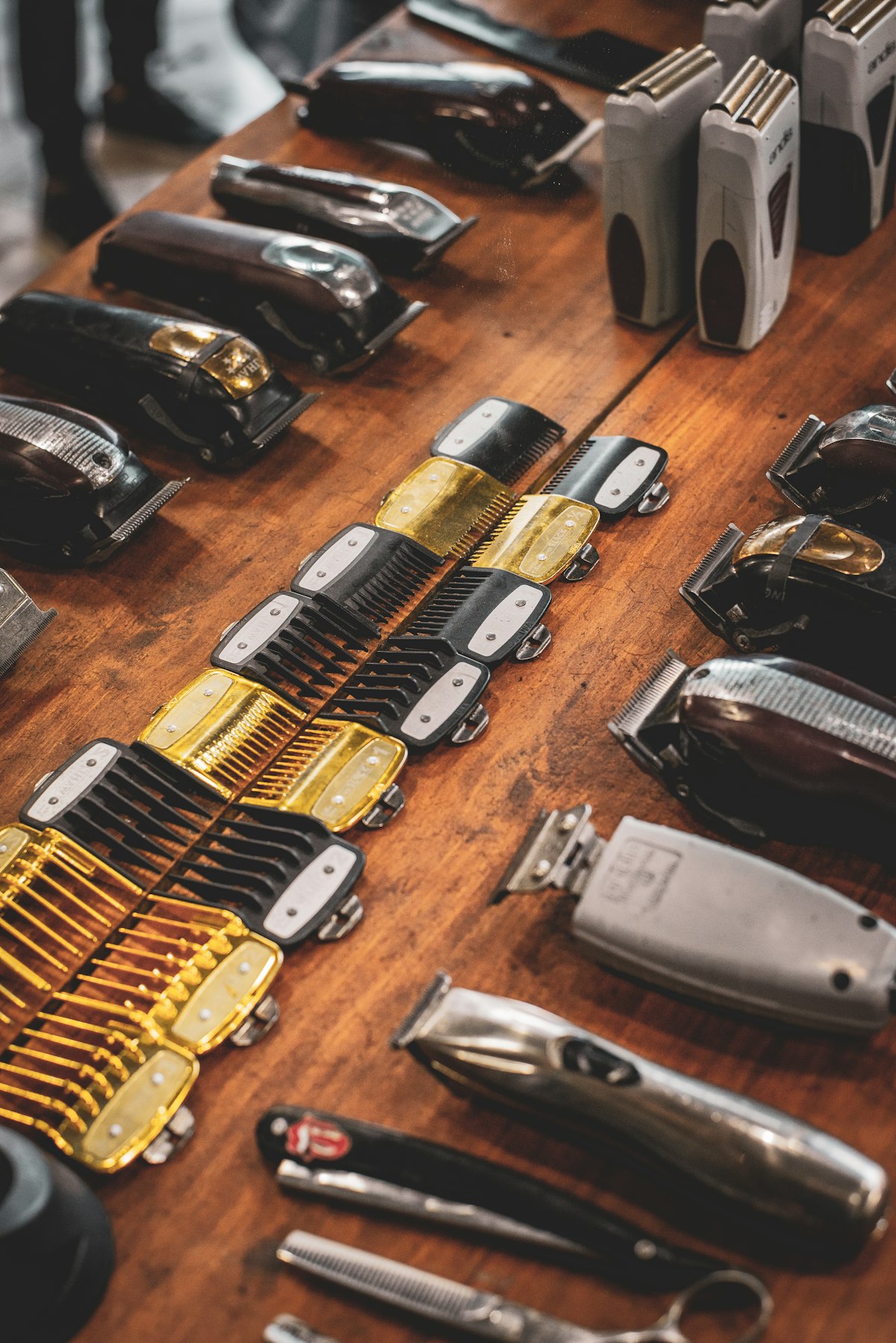
Clippers are the primary cutting tool for the vast majority of barbershop work. A quality pair of clippers should handle full-length hair reduction, taper work, and bulk removal efficiently. For professional use, the most important factors are motor consistency (does the speed stay stable under load), blade quality (does it stay sharp through hours of use), and heat management (does the motor run cool enough to use continuously).
Professional-grade clippers in common use in Canada include the Wahl Magic Clip, BaByliss Pro FX870, and Andis Master. Each has specific strengths. The Wahl Magic Clip is a standard choice for taper and fade work. The BaByliss FX870 is popular for blending due to its motor consistency at low speeds. The Andis Master is a legacy choice known for durability. Buy from Canadian suppliers to ensure warranty coverage applies in Canada.
A working barber typically carries two clipper sets: a primary cutting pair and a backup. A dead clipper mid-appointment is not an option.
Trimmers
Trimmers (also called T-liners or edgers) are for detailing: hairline cleanup, edge definition, beard shaping, and close work that requires zero-gap precision. They should not be used for bulk cutting. Their value is entirely in the sharpness and precision of the blade edge at the hairline.
The Wahl Senior, BaByliss Pro FX787, and Andis Slimline Pro are standard professional choices. Zero-gap adjustability is important for sharp lines on darker skin tones where the line needs to be exceptionally tight. Most professionals maintain their trimmer blades separately from their clipper blades, sharpening or replacing them more frequently.
Scissors and Shears
Every barber needs a minimum of two pairs: a straight-blade cutting shear for bulk work and scissors over comb, and a thinning shear for blending and texture. Professional shears start around $100 CAD and can run significantly higher for Japanese-steel options. The investment is worth it: cheap shears fatigue the hand, cut inconsistently, and require replacement much sooner than professional-grade steel.
Maintain shears properly: keep them dry, oiled at the pivot, and sharpened by a professional. Never use hair shears to cut anything other than hair.
Combs
A full comb set includes a styling comb, a tail comb, and a barber comb (wider tooth spacing for detangling and sectioning). Carbon combs are standard for heat resistance and antistatic properties. Keep multiple combs in the Barbicide jar between uses.
Straight Razor and Shaving Tools
For barbers offering shaving services, a straight razor, shaving cream, and hot towel setup are required. The straight razor produces the closest possible finish and is the tool that signals high-end service. A quality badger-hair brush and professional shaving soap produce significantly better lather than canned products.
Neck Strips, Capes, and Sanitation
These are professional requirements, not optional. A clean cape per client prevents cross-contamination. Neck strips protect the client's clothing and neck. Barbicide solution for immersible tools and spray sanitizer for non-immersible tools are required for legal operation in Ontario. RCDSO and municipal health requirements vary; verify current standards with your local public health unit.
Clips and Accessories
Duck-bill clips, sectioning clips, and spray bottles round out the kit. A handheld mirror allows the client to review the back of their cut. A quality clipper cleaning brush and blade oil are required for daily maintenance.
Building the Kit Over Time
Most students entering the trade start with a basic kit and upgrade as income allows. The priority order: quality clippers first, quality trimmers second, quality shears third. Everything else can be budget while you are starting out.
CADMEN's intensive training programs accept students at all kit levels. If you are bringing your own tools, bring what you have. If you do not yet own professional equipment, CADMEN tools are available for use during the program. Book at academy.cadmen.ca/in-person-training.
CADMEN Barber Academy is a private training institution in Mississauga, Ontario. It does not provide Skilled Trades Ontario apprenticeship hours or Certificate of Qualification pathways.
Frequently Asked Questions
What clippers do professional barbers use in Canada?
Wahl, BaByliss Pro, and Andis are the three most common brands in Canadian barbershops. The Wahl Magic Clip, BaByliss FX870, and Andis Master are widely used professional models. Purchase from Canadian distributors for warranty coverage. Expected lifespan for a quality clipper with proper maintenance is 3 to 7 years of professional daily use.
How much does a full professional barber kit cost?
A complete professional kit from scratch runs $500 to $1,500+ CAD depending on brand choices and whether it includes shaving tools. A functional starting kit (one quality clipper, one quality trimmer, basic shears, combs, sanitation) can be assembled for $400 to $600. Quality shears alone range from $100 to $500+.
How often should barber blades be replaced or sharpened?
Clipper blades in professional daily use typically need sharpening every 3 to 6 months. Trimmer blades used for lining and edge work may need sharpening monthly with heavy use. Shears should be professionally sharpened once or twice per year depending on volume. Dull blades pulling on the hair are the most common cause of client discomfort during a cut.
Do barbers need to buy their own tools?
In most Canadian barbershop employment and booth rental situations, barbers are expected to own their own tools. Some employers provide clippers for new hires, but this varies. Check the arrangement with any prospective employer before your start date. For apprentices, owning your kit is standard.
What sanitation requirements apply to barber tools in Ontario?
Ontario Public Health Standards require that tools in contact with clients be cleaned and sanitized between uses. Immersible metal tools (trimmers, razors) go into Barbicide solution. Capes and neck strips must be single-use or laundered between clients. Verify current specific requirements with your local public health unit, as requirements can be updated.
