Taper vs. Fade: What Is the Difference?
Taper vs. Fade: What Is the Difference?
Taper and fade are used interchangeably by many clients and even some barbers, but they describe different techniques and produce different results. Understanding the difference helps barbers have cleaner consultations and deliver exactly what clients want.
What Is a Taper?
A taper is a gradual reduction in hair length from top to bottom. The hair starts at its full length at the top and gets progressively shorter as it moves toward the neckline, but it does not reach skin. A traditional taper leaves some hair visible at the base of the neck and around the ears, even at its shortest point.
The taper is the classic, conservative haircut shape that has been standard in professional and military settings for decades. The sides blend into the back, the neckline has a clean edge, and the overall effect is a well-groomed but natural look that works in formal settings.
A taper stays on the safe side of the visibility spectrum. Someone who needs to look professional in a conservative office or business context often requests a taper because it looks polished without being conspicuously styled.
What Is a Fade?
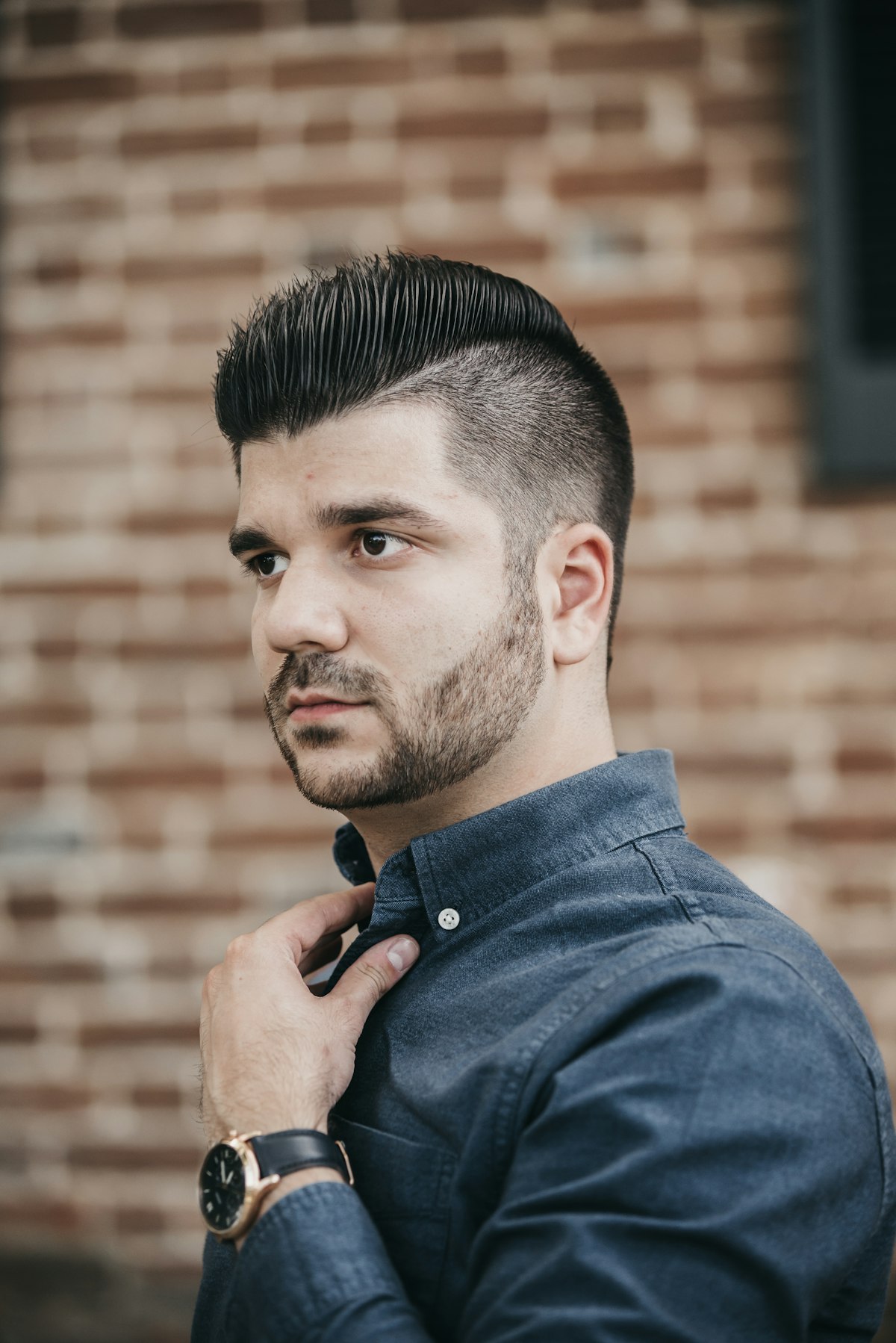
A fade takes the reduction further: the hair at the base goes all the way down to skin (a skin fade or bald fade), or very close to it (a low-guard fade). The graduation happens over a shorter vertical distance and produces a more pronounced contrast between the shortest point and the longer sections above it.
Fades are a more contemporary style. They require more technical skill to execute cleanly because the visible graduation is more prominent and any unevenness in the blend shows clearly against bare or near-bare skin.
A fade is a deliberate style statement. It looks sharp, modern, and requires regular maintenance to stay fresh. Clients who want a distinct, visible style typically want a fade.
The Spectrum: Where They Overlap
In practice, tapers and fades exist on a spectrum. A tight taper with a very short base can look similar to a low fade. The terms become almost interchangeable at the low end of the fade, where the skin section is minimal.
The meaningful distinction is at the ends of the spectrum:
- Classic taper: No skin. The shortest point still has visible hair coverage. Subtle graduation.
- Low fade: A small skin section at the base, just above the ears and at the nape. The skin section is visible but contained.
- Mid/high fade: Significant skin section extending well up the sides. Pronounced contrast between skin and the top.
Which One Should the Client Get?
This depends on the client's goals:
Choose a taper if: The client wants a professional, conservative look. They are in a formal workplace. They do not want to maintain the cut every 2 to 3 weeks. They prefer subtle graduation over visible contrast.
Choose a fade if: The client wants a sharper, more styled look. They are comfortable with regular maintenance. They want visible contrast between the sides and top. They are going for a contemporary barbershop style rather than a traditional look.
Taper Fade: The Combination
Many clients ask for a "taper fade," which means a fade on the sides with a tapered neckline at the back. This is the most common way the two terms combine. The sides have a skin or close-to-skin fade, and the back neckline tapers out gradually rather than ending in a hard horizontal line.
This combination is probably the most-requested service in most contemporary barbershops.
In the Consultation
When a client says "fade" or "taper" without specifying, ask for clarification. "Do you want it going down to skin, or do you prefer to keep some hair at the base?" This one question resolves the ambiguity and takes 5 seconds. It prevents the most common fade vs. taper miscommunication, which is a client who wanted a taper and got a skin fade or vice versa.
Building Clean Technique for Both
CADMEN offers a two-day fade course in Mississauga with demonstrations, supervised practice on live models and educator feedback. Small-group classes have up to three students, and one-on-one training is also available. Confirm the skill you want to practise with our team before booking. View current details.
Fade class: $1,750 + HST (small group) or $1,950 + HST (1-on-1). Book at academy.cadmen.ca/in-person-training.
Frequently Asked Questions
What is the difference between a taper and a fade?
A taper gradually reduces hair length from top to bottom but stops before reaching skin. A fade takes the reduction further, going down to bare skin (skin fade) or very close to it at the base of the sides. A fade produces more visible contrast and a sharper, more styled look. A taper is more subtle and conservative.
Which is better, a taper or a fade?
Neither is objectively better. A taper suits professional, conservative settings and clients who prefer subtle graduation. A fade suits clients who want a modern, styled look and are comfortable with regular maintenance. The right choice depends on the client's goals, lifestyle, and workplace context.
What is a taper fade?
A taper fade is a combination: the sides are faded (including a skin section), and the back neckline is tapered (graduating out gradually rather than ending in a hard line). This is one of the most-requested contemporary barbershop styles.
Can a barber turn a taper into a fade?
Yes. A taper can become a fade by taking the base shorter, down to skin. The reverse (taking a fade back to a taper) means waiting for the base to grow in. Before making the change, confirm with the client that they want to go shorter at the base.
How often do you need to maintain a fade vs. a taper?
A skin fade typically needs maintenance every 2 to 3 weeks because skin regrowth is immediately visible. A taper is more forgiving and can often go 3 to 5 weeks before looking unkempt, depending on how short the base is and how quickly the client's hair grows.
Related Reading From CADMEN Barber Academy
- Taper vs Fade: What the Difference Actually Is
- Taper vs Fade: The Actual Difference and Which One to Ask For
- The Taper Fade Combination: What It Is and How to Request It
- Fade vs. Taper: What Is the Difference?
- The Skin Taper Fade: What Makes It Different and How It Is Cut
- Taper Fade vs. Drop Fade: What the Difference Actually Is
Want to learn to cut a taper yourself? CADMEN Barber Academy teaches cutting hands-on, with an educator beside you. See the barber academy in Mississauga or view in-person classes and send an enquiry.
Learn this fade step by step in our free Fade Tutorials playlist on YouTube.
