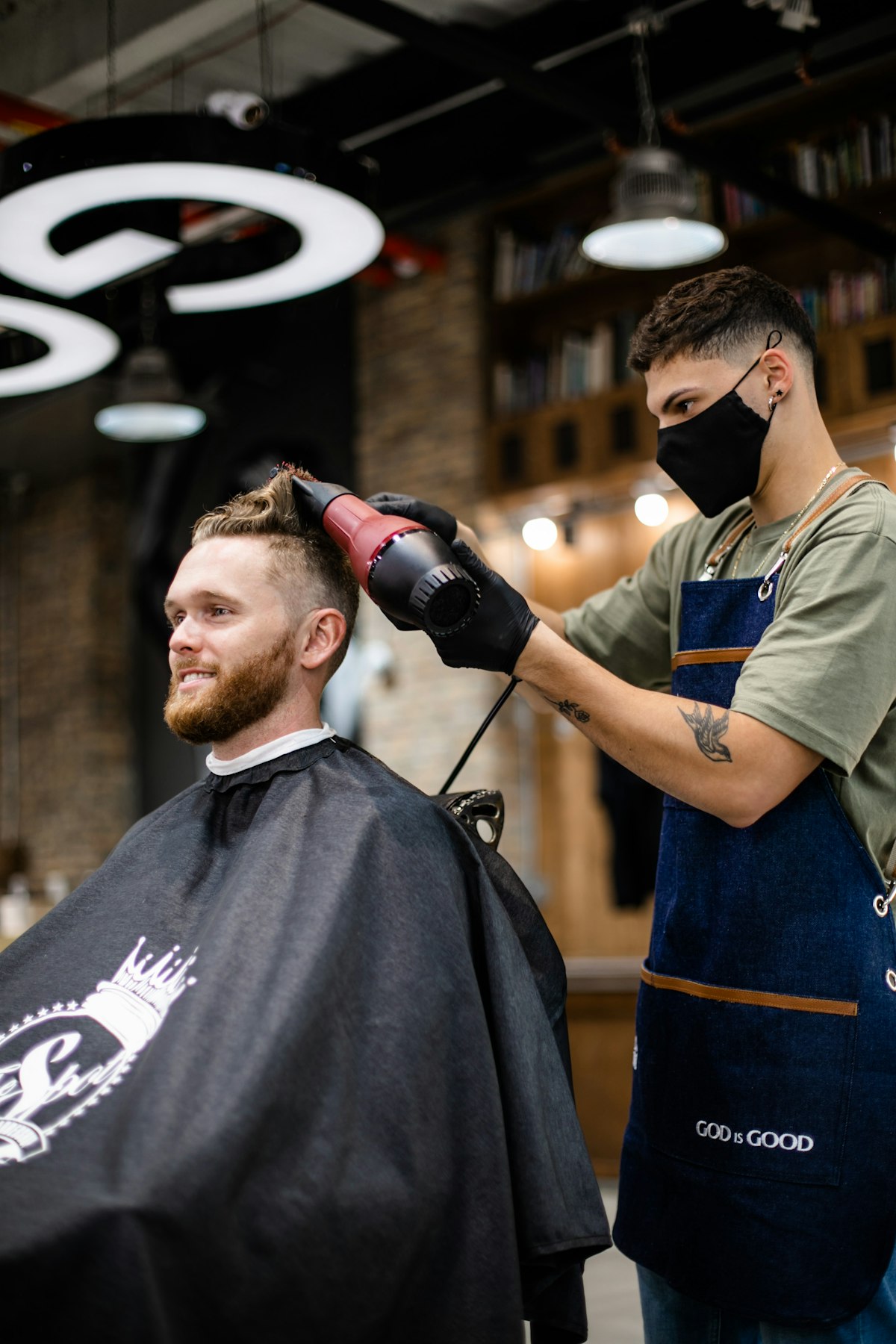
What to Ask a New Client Before You Cut Their Hair
What to Ask a New Client Before You Cut Their Hair
Every bad haircut story has the same structure: the barber assumed and the client hoped. The consultation before the cut is the one moment in the service where assumptions can be replaced with facts. Barbers who build strong client relationships default to more questions, not fewer.
These are the questions that matter most and what the answers reveal.
"What are you looking for today?"
Open-ended first. This question lets the client tell you what they want in their own words before you interpret anything. Listen for whether they reference a specific style name, describe a past cut they want to maintain, bring up what they did not like about their previous haircut, or describe a length and texture. The vocabulary they use tells you how specific to get in your follow-up questions. A client who says "I just want it cleaned up" needs different follow-up than one who says "I want a high skin fade with a 2 on top textured."
"How long has it been since your last cut?"
This tells you the current state of the hair. A client overdue by 8 weeks at a normal maintenance schedule has different problems than a client who has been growing a specific style intentionally. It also tells you the client's maintenance frequency, which informs whether to offer a standing appointment or discuss a longer-lasting cut style.
"Have you had a skin fade before?"
Or whatever the relevant technique is. For any specialized technique, skin fade, scissor work on longer hair, beard shaping, confirming the client has had it before prevents the discovery mid-cut that the client had a different expectation for what the technique produces. A client who says "yes I get one every month" needs no further explanation. A client who says "no I just saw a picture on Instagram" needs a brief walk-through of what the result will look like before the first pass.
"Do you style your hair at home?"
This question determines whether the cut needs to work with or without product styling. A client who does not style at home needs a cut that looks intentional air-dried. A client who uses product every day has more styling options. The maintenance requirement of the cut needs to match the client's actual daily behavior, not the ideal version of it. A textured high-top that requires 10 minutes of product work every morning will look disheveled on a client who does not do that and will generate a complaint.
"Is there anything you did not like about your last cut?"
This is the highest-value question for new clients. It surfaces the specific complaint from the previous barbershop that made them come to you. Knowing the complaint tells you exactly what to avoid and often reveals the client's real priority. If the answer is "it was too short and I looked bald," you know length retention is the primary concern. If it is "the fade was blotchy," you know the client is technically aware and will notice blending issues.
The Reference Photo
Ask for a photo if the client has one, not as a replacement for the verbal consultation, but in addition to it. The photo tells you the target. The verbal consultation tells you whether the target is achievable on this client's hair type, and what matters most to the client about the reference. A client who loves the photo because of the fade height wants something different than a client who loves the same photo because of the top length. Ask: "What do you like most about this?" to understand the priority in the reference.
CADMEN Training
Client consultation technique is a core component of CADMEN's hands-on training. academy.cadmen.ca/in-person-training.
Frequently Asked Questions
What questions do barbers ask before cutting hair?
Standard questions for a new client: What are you looking for today? How long since your last cut? Do you have a reference photo? Have you had this technique before (if applicable)? Do you style your hair at home? Is there anything you did not like about your last haircut? For returning clients, the consultation is shorter, the barber already knows the client's preferences and can confirm quickly whether they want the same cut or something different. Experienced barbers ask fewer broad questions but more targeted ones, because they know from experience which specific details cause misaligned expectations (length on top, fade height, neckline shape). The goal of every consultation is to eliminate the gap between what the client imagines and what the barber delivers before any cutting begins.
How long should a barber consultation take?
A new client consultation takes 2 to 5 minutes. A returning client needs 30 to 60 seconds to confirm the same cut or note changes. The consultation should take as long as necessary to establish clarity, but not extend into unnecessary conversation that delays the service. A 10-minute consultation before a 20-minute cut is a proportion problem. The consultation should be efficient and focused: the barber asks the targeted questions, the client answers, the barber confirms the plan, and the cut begins. Efficiency comes from asking the right questions rather than many questions.
What should I tell my barber?
Tell your barber the style and length you want (bring a photo if possible). Mention if you have a hair type concern (frizz, cowlicks, thinning areas, slow-to-grow areas). Describe what you did not like about your previous cut if anything bothered you. Tell them how you style your hair at home, including whether you use product. If you are trying a new style, tell them whether you want to commit to it fully or start more conservatively and adjust. The more specific and honest the information you give your barber before the cut, the more accurately they can deliver what you want. Barbers cannot fix a cut they did not know you disliked, and they cannot avoid what they do not know bothers you.
What if a client cannot describe what they want?
Lead with a photo request: "Do you have a reference photo on your phone, or is there a celebrity or style you're thinking of?" Most clients can identify what they want visually more easily than they can describe it verbally. If no photo is available, ask about the last cut they were happy with (when, where, what it looked like) and build from that reference point. Ask about length preferences at key areas (tight on the sides? how much off the top?) with specific options the client can react to rather than describe. The barber drives the consultation with targeted questions, the client reacts, the barber builds the picture. Most clients who cannot describe what they want can confirm or correct a description you offer them.
How do you handle a client who wants something that will not suit them?
Be honest before starting, not apologetic after finishing. The professional approach: acknowledge the style they want, explain specifically why it may not work on their hair type or face shape, and offer one or two alternatives that achieve a similar effect with better results. "This fade height will work against you because your ears sit high, we could do a mid fade instead and get a cleaner result" is the right conversation to have before the cut. Most clients appreciate the expertise. A barber who cuts exactly what was asked and produces a result the client is unhappy with has not served the client well, regardless of technical accuracy. The consultation is the moment to prevent that outcome.
Related Reading From CADMEN Barber Academy
- Barber Consultation Questions: What to Ask Before Every Cut
- How to Choose a Barber School: 7 Questions to Ask Before You Pay
- Why Seeing the Same Barber Consistently Makes a Difference
- Barber Client Communication: How to Run a Consultation That Produces the Right Haircut Every Time
- Walk-In vs. Appointment: How to Structure Your Barbershop Policy
- How Barbers Read a Client in the Consultation
- Barbering Topics Index: Every Guide by Subject
