How to Grow a Beard: A Practical Guide for Men
How to Grow a Beard: A Practical Guide for Men
Growing a beard requires patience through an initial awkward phase and consistent care to keep the skin and hair healthy during the process. Most men who abandon beard growth do so in the first 3 to 4 weeks, the phase that looks the messiest and is the most uncomfortable. Here is what actually helps at each stage.
Weeks 1 to 4: The Stubble Phase
New beard growth is prickly, itchy, and uneven. The itch is the most common reason men shave during this phase. It occurs because the flat-cut tips of recently shaved hairs are sharp and irritate the skin as they curl and grow out. The itch subsides once the hairs grow past the length where their sharp tips contact the skin. Keeping the skin moisturized during this phase, with a light facial moisturizer or a small amount of beard oil, reduces the irritation significantly. This is not the phase to shape the beard. Shaping before the hair is long enough to reveal the natural distribution produces inconsistent results. Let it grow through this phase before any significant grooming decisions are made.
Weeks 4 to 8: The Patchy Phase
By week 4, the beard coverage reveals which areas grow dense and which grow sparse. Most men have some unevenness. The common mistake is to trim the dense areas down to match the sparse ones, this produces a thinner, shorter result than letting the sparse areas continue to fill in. Full beard growth typically takes 3 to 6 months because the slower-growing areas need that time to catch up. Trimming too early prevents the less-active follicles from contributing their full growth.
The Barbershop During Growth
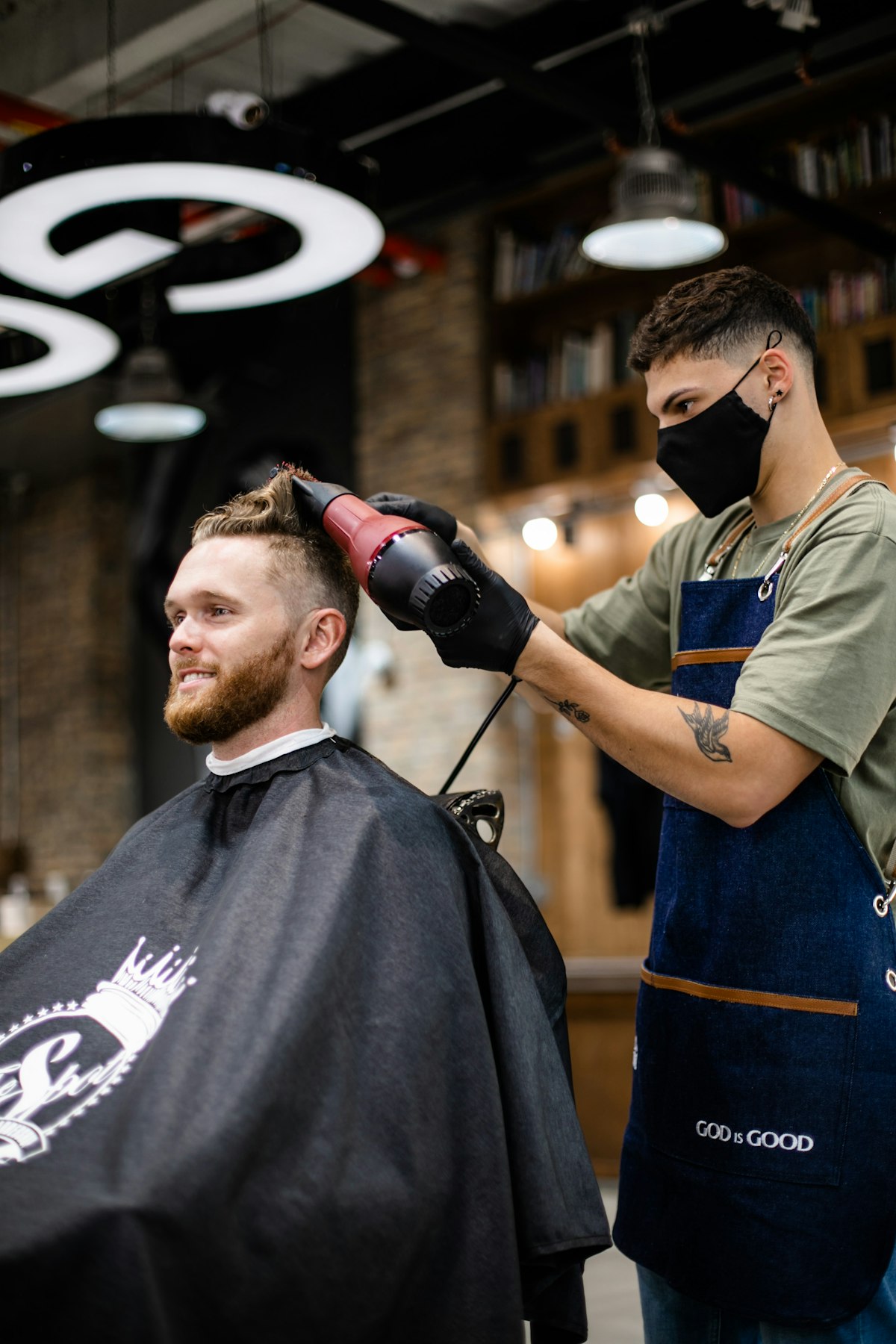
The barbershop is useful during beard growth for neckline definition (keeping the neckline clean prevents the growing beard from looking ungroomed) and for the first shape once the beard is long enough to reveal its natural form. Many barbers recommend the first proper shaping appointment at the 6 to 8 week mark.
CADMEN Training
Beard shaping and client consultation are covered in CADMEN's beard class. academy.cadmen.ca/in-person-training.
Frequently Asked Questions
How long does it take to grow a beard?
Beard growth timing varies by individual but follows a general pattern. Average beard growth rate: approximately half an inch per month. Week 1 to 2: visible stubble at 1 to 3mm. Still patchy in most men. Week 3 to 4: short beard that reveals initial coverage patterns. The itch phase is typically at its worst here. Month 2: the beard has enough length to show its natural distribution more clearly. Patchiness is still visible but the growth trajectory is becoming apparent. Month 3: a short to medium beard on most men. The beard begins to look intentional and shaped rather than like neglected growth. Month 4 to 6: medium-length beard for most men. Slower-growing areas have had time to fill in. The beard is long enough for substantial styling and maintenance choices. Month 6 and beyond: beard length depends on how often it is trimmed and the individual's growth rate. Some men can grow significant length in this timeframe; others with slower growth rates reach a medium length. Factors that affect the timeline: genetics (the primary determinant of beard density, growth rate, and coverage), age (beard growth often increases through the 20s and settles in the 30s), health and nutrition (severe deficiencies affect hair growth but normal health variations have minimal impact), and stress (significant chronic stress can slow hair growth, but daily lifestyle variation has minimal effect).
How do I deal with beard itch?
Beard itch is most intense in the first 2 to 4 weeks of growth and occurs for a specific mechanical reason: newly growing beard hairs have flat, sharp tips from shaving. As they grow out, these tips curl and poke against the skin repeatedly, causing irritation. The itch is not caused by poor hygiene or dirty skin, it is a direct result of the shaved hair tips making contact with the skin surface. What reduces beard itch: beard oil applied to the skin under the stubble, not just to the surface of the hair. A light facial oil (argan, jojoba, or a dedicated beard oil) softens the skin and creates a small amount of lubrication that reduces the mechanical irritation from sharp hair tips. Facial moisturizer: any non-comedogenic moisturizer keeps the skin hydrated, which reduces sensitivity and irritation. Gentle washing: washing the face and stubble with a gentle cleanser or a beard-specific shampoo removes dead skin cells and buildup that worsen the itch without stripping the skin's protective oils. Tolerance: the itch resolves on its own once the hairs grow past the critical length where their sharp tips are contacting the skin, typically at 3 to 5mm. Most men who push through 4 to 6 weeks find the itch disappears largely on its own. What does not help: scratching (worsens skin irritation and can cause breakouts), shaving (removes the stubble, which restarts the itch cycle if growing a beard is the goal), and heavy products that block pores under the stubble.
Should I go to a barber while growing a beard?
Visiting a barber during beard growth is useful for specific reasons, not all reasons. What the barber helps with during growth: neckline maintenance, the most important grooming task during beard growth. A defined neckline prevents the growing beard from looking like neglected or unintentional growth, even when the beard itself is still in an early stage. The barber-set neckline (typically following the natural boundary approximately two finger widths above the Adam's apple) should be maintained clean throughout the growth period. Cheek line management, for some men, the natural upper boundary of the beard (the cheek line) grows in shapes that benefit from light definition. A barber can advise whether the natural cheek line should be left alone or slightly tidied during the growth phase. First shaping consultation, at the 6 to 8 week mark, a barber can assess the beard's actual coverage and distribution and advise on whether to continue growing, which areas will fill in further, and what the most flattering shape is given the individual's face shape and beard pattern. What the barber should not do during growth: heavily shape or significantly trim the beard before sufficient length has grown. This is the most common mistake, shaping too early removes length that was needed for the slower-growing areas to catch up. A barber who pushes for major shaping in the first month is working against the growth goal.
Related Reading From CADMEN Barber Academy
- Growing a Beard: What the First 30 Days Actually Look Like
- Beard Balm vs. Beard Oil: What Each Product Does
- Beard Balm vs. Beard Oil: The Difference, When to Use Each, and How to Explain It to Your Clients
- Beard Color for Barbers: Services, Techniques, and Adding Color to Your Menu
- How to Contour and Shape a Beard
- How to Line Up a Beard: Edge Work and Shaping
