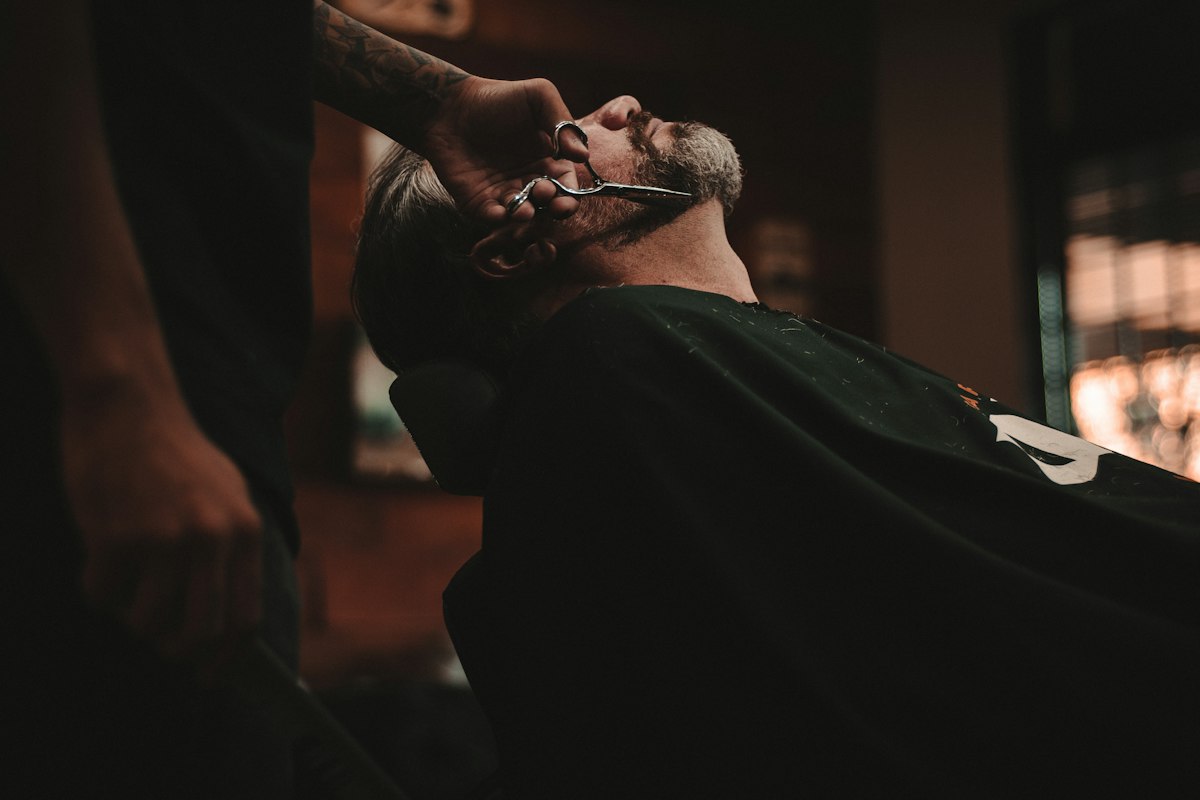
Getting a Haircut Before a Job Interview: What Barbers Recommend
Getting a Haircut Before a Job Interview: What Barbers Recommend
Getting a haircut before a job interview makes sense. First impressions involve appearance, and well-groomed hair signals attention to detail and preparation. But timing and approach matter more than most men realize. Here is what experienced barbers consistently recommend.
Get the Haircut 3 to 7 Days Before, Not the Day Before
This is the most consistent recommendation from experienced barbers. A haircut the day before an interview carries meaningful risk. If something goes wrong, a line is too high, a taper is uneven, the length is shorter than expected, there is no time to correct it or grow it out to something less noticeable. Three to seven days before the interview gives you time to see how the cut settles, identify any issues, and return for a correction if needed. It also allows the freshest-cut look to soften slightly, which looks more natural and less aggressive.
Go to Your Regular Barber
Before a high-stakes event is not the time to try a new barber. Your regular barber knows your hair, your preferences, and your previous cuts. Go to a new barber for an interview and you are introducing unnecessary variance. If you do not have a regular barber or your barber is unavailable, book in advance, bring a clear reference photo, and communicate what you want precisely.
Keep the Style Appropriate for the Industry
Conservative industries (finance, law, corporate) respond best to clean, classic cuts. A skin fade and textured crop reads differently in a law firm interview than in a creative agency interview. Match the grooming to the environment you are entering.
Avoid Dramatic Changes
An interview haircut is a maintenance and polish visit, not a style transformation. Going significantly shorter or trying a new style before an important event adds unpredictability. A version of your usual cut, well-executed and freshly done, is the safest approach.
CADMEN Training
CADMEN Barber Academy teaches precision and client communication, skills that matter for exactly this kind of high-stakes appointment. academy.cadmen.ca/in-person-training.
Frequently Asked Questions
What haircut is most appropriate for a job interview?
The most appropriate interview haircut is the one that presents you as well-groomed and put-together for the specific industry and role. There is no single universally correct interview haircut, but there are principles that apply across most situations. Conservative and formal industries (banking, law, consulting, government, healthcare management): clean, classic cuts with no dramatic elements. Side-parts, crew cuts, tapers, and similar styles that have a long professional history all work well. The visual message is: I take care of my appearance, I am detail-oriented, and I fit the culture of this organization. Anything that stands out as unusual, dramatic high fades, unconventional length ratios, visible color treatments, introduces an element that some interviewers in conservative organizations notice negatively. This is not about whether those styles are inherently unprofessional. It is about variance and how interviewers in those specific cultures interpret appearance. Creative and casual industries (tech, design, advertising, media, fashion): the range of acceptable haircuts is much wider. A well-executed textured crop, a pompadour fade, or a longer styled cut all work in environments where personal expression through grooming is normal and expected. The universal standard across all industries: the cut should be clean and recently done, not overgrown. Whatever the style, it should look maintained and intentional rather than neglected. The clean-cut, well-maintained version of whatever style is natural to you reads better in any interview than an unkempt version of a conservative cut. Put differently: a fresh, polished mid fade reads better than an overgrown crew cut.
Should you tell the barber the haircut is for a job interview?
Yes, telling your barber the context is useful information that changes how they approach the cut. What changes when you mention an interview: the barber knows the stakes of the appointment, which means they are more likely to be precise, conservative, and careful rather than creative or experimental. If there is a decision point in the cut (leave the neckline at this length or tighten it up, take a little more off the top or leave it) and they know this is for an interview, they will default to the cleaner, more conservative option rather than the more creative one. It also opens the conversation about whether your planned style is appropriate for the industry you are interviewing in. A barber who has worked with clients across many industries can give you honest feedback: "for a finance interview, I'd keep it cleaner on the sides" or "for a tech company, what you have is totally fine." What to say: something simple like "I have an interview next week, I want to look sharp but keep it conservative" is all the information needed. You do not need to describe the company or role in detail, the barber is making cutting decisions, not career advice. The context helps them make those cutting decisions in the direction that serves the occasion.
What should men do for hair styling on the day of the interview itself?
The day-of styling for an interview should be clean, intentional, and appropriate for the environment, not a production. Guidelines by cut type: for short cuts (crew cut, buzz cut, short taper): minimal or no product required. Ensure the hair is clean and combed or shaped if any direction is possible. A very light matte clay or nothing at all works best. The goal is clean and well-groomed, not styled in a noticeable way. For medium-length cuts with a part or direction: a small amount of product (light pomade, matte clay) applied to damp hair and combed into direction gives a polished appearance without looking heavy or overdone. Avoid heavy gels that create a "wet" look or hard-hold products that make the hair look rigid. For longer styles (pompadour, slick back, textured crop): use the product that normally works for your style, applied conservatively. The interview is not the day to test a new product or try a new application technique. If you blow-dry your hair normally as part of styling, do so, just follow your normal process rather than trying something different. The morning-of rule: whatever you do for hair on interview morning should be something you have done before and know the result of. This is not the morning to experiment with a new technique or product. The failure mode to avoid: arriving at an interview with hair that is either obviously heavily styled (a noticeable amount of gel or pomade that reads as effortful) or visibly unstyled (a style that needed product but did not get any). Both signal something about preparation. The right outcome is hair that looks like you put a normal amount of attention into it as part of getting ready.
Related Reading From CADMEN Barber Academy
- Getting a Haircut Before a Job Interview: Timing and Style
- Skin Preparation Before a Barbershop Visit: What Makes a Difference
- Cutting Afro and Type 4 Hair: Techniques for Barbers Working with Coily Textures
- The Blowout Haircut: What It Is and How to Maintain It
- The Brush Up Haircut: What It Is and How to Style It
- The Caesar Haircut: What Makes It a Caesar and How to Cut It Cleanly
