Haircuts for Thinning Hair: What Works and Why
Haircuts for Thinning Hair: What Works and Why
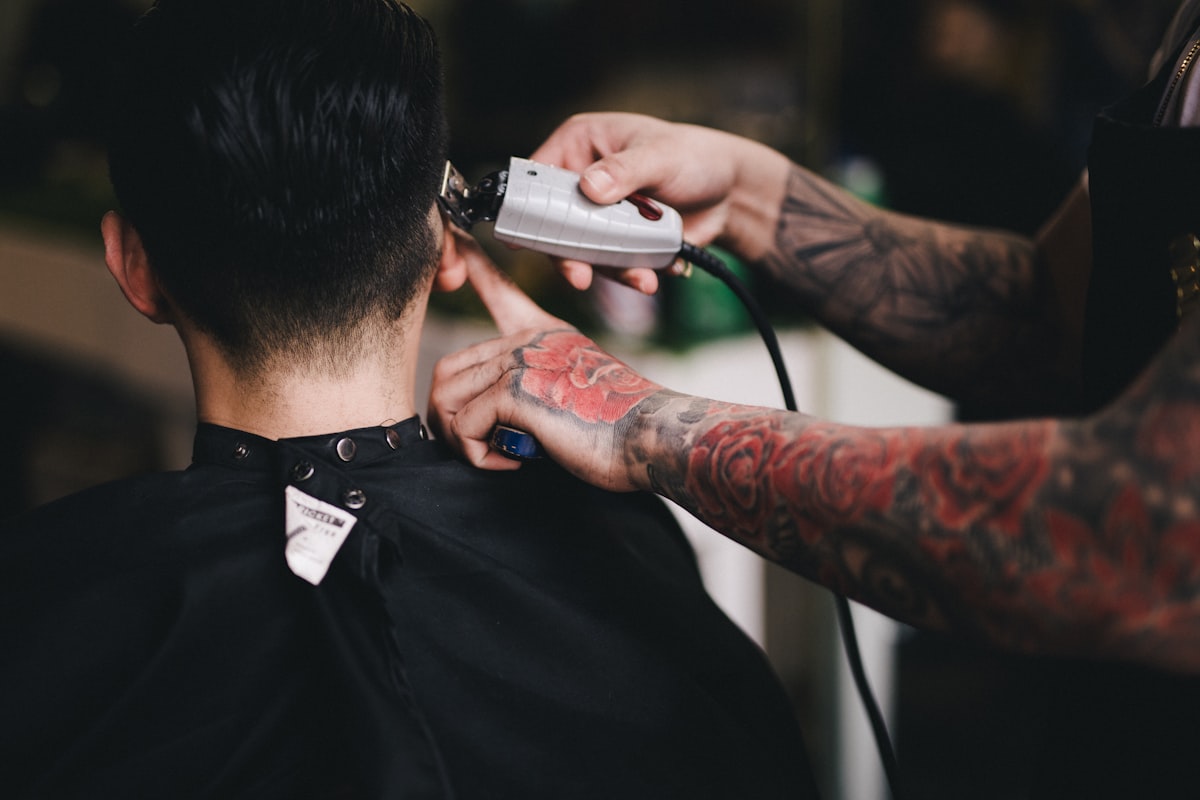
Thinning hair requires a different approach to haircuts. Cuts and lengths that work well on dense hair often look worse on thinning hair, and cuts that seem counterintuitive (shorter than you might think, less coverage than you might expect) frequently produce better results. An experienced barber who understands hair loss patterns can make a meaningful difference in how a thinning haircut looks.
Why Length Often Makes Thinning Worse
The instinct is to grow hair longer to cover thinning areas. This usually backfires. Longer thinning hair lies flat and clings together in visible strands, revealing the scalp between them more clearly than shorter hair does. Shorter hair on a thinning area appears denser because there is less length weighing it down and the individual hairs stand more upright. The shorter the hair, the less contrast there is between the hair and the scalp between hairs.
What Generally Works
Short to very short cuts on the thinning areas. For diffuse thinning (all-over density reduction), keeping the entire top section short (guard 3 to 4, or 10 to 13mm) is typically more flattering than longer lengths. The short length appears denser. Faded or tapered sides with a short top. The fade draws the eye to the sides and the sharp perimeter rather than the top, partially redirecting attention from the thinning zone. Proportional balance. A skilled barber can cut the sides shorter relative to the top in ways that create visual balance without obvious compensation.
CADMEN Training
Cutting for different hair conditions is covered in CADMEN's professional barbering program. academy.cadmen.ca/in-person-training.
Frequently Asked Questions
What haircut is best for thinning hair on top?
The best haircut for thinning hair on top depends on the specific thinning pattern, but a few general approaches consistently produce better results than others. The most effective approaches: keep the top short. This is the most consistently reliable approach. Hair at 1 to 1.5 inches on top (guard 4 to 5, or around 13 to 16mm) appears denser than the same hair grown to 3 to 4 inches. The physics: shorter hairs stand upright with more self-support. Longer thinning hairs fall flat and separate, revealing the scalp in the gaps between them. The specific cuts that work well: the crew cut for thinning hair. The crew cut keeps the top at a short, uniform length and the sides shorter or faded. The clean perimeter and short top creates a groomed, intentional look that works with thinning hair rather than fighting it. The military buzz (guard 2 to 3 all over). For men with moderate to significant thinning, a uniform short length all over, rather than trying to keep more length on top, is often the cleanest looking result. The buzzed-all-over approach removes the visual contrast between the thinning zone on top and the sides. There is no "exposed" area when everything is short. Textured short crop. A crop (short on the sides, slightly longer and textured on top) cut with thinning shears to remove bulk and create movement can look more natural and flattering than a blunt short cut on certain types of thinning. What to avoid: the comb over in its classic form (growing hair long on one side and combing it over a bald or very thin area). Most men and observers find the obvious compensatory intention of this approach visually worse than the underlying thinning. Any style that requires length specifically to cover thinning, the coverage strategy almost always reveals itself as coverage rather than style. Very long top with short sides (significant length differential on thinning hair). The long top section that is thinning lies flat and exposes the scalp, while the contrast with the short sides makes the thinning area more prominent by comparison.
Should I shave my head if my hair is thinning?
Shaving the head is one option for men with significant thinning, but it is not the only option, and whether it is the right choice depends on several individual factors. What shaving provides: complete removal of the thinning-vs-thick contrast that many men find the most visually problematic aspect of hair loss. When there is no hair, there is no comparison to be made between the thinning zone and the rest. For men who find the variability of thinning hair, some areas thick, some visibly sparse, more bothersome than baldness itself, shaving provides a clean slate. The aesthetic simplicity of a shaved or very close-cropped head is genuinely appealing on many face shapes and has cultural normalcy, particularly in athletic and professional contexts. Who tends to suit it well: men with round or moderately proportioned skull shapes. Men with clear, even skin tone (a shaved head draws attention to the scalp's skin condition). Men who are broadly comfortable with the shaved head aesthetic and have face proportions that work without hair framing. Factors to consider before deciding: shaving or buzzing to zero requires commitment to regular maintenance, every 2 to 5 days for a clean-shaved head, every 1 to 2 weeks for a close buzz. If you are not ready for that maintenance routine, a slightly longer short cut requires less upkeep. An alternative midpoint: a very close buzz (guard 0 to 1) provides most of the visual simplicity of a shaved head without the razor-on-skin maintenance requirement. It is a practical test of the aesthetic before committing to regular blade shaving. The most reliable approach: do not make the decision based on advice. Ask your barber to buzz it very short as a test and live with it for a few weeks before deciding whether to go to zero or find a short cut you prefer.
What styling products help thinning hair look fuller?
Several products can create the appearance of more volume and density on thinning hair, though the effect is visual and temporary rather than a change in actual hair density. The most effective products for thinning hair: matte clay or styling powder. Matte products add grip and separation between hair strands, making each strand more visible and the hair appear denser. High-shine products like gels and pomades make the hair appear wetter and heavier, which clumps strands together and reveals the scalp between them, the opposite effect. Clay is the best everyday styling choice for thinning hair. Volumizing mousse applied to damp hair. Mousse lifts the hair shaft slightly at the roots as it dries, adding height and the visual impression of more density. Apply to damp hair and blow-dry in an upward direction to maximize the lift. Volumizing or thickening shampoos. Some shampoos deposit a fine polymer coating on each hair strand, temporarily increasing the diameter of the individual strand. This makes the hair feel slightly thicker and look slightly fuller. The effect is modest but real, and cumulative over regular use. Brands like Nioxin are specifically formulated for thinning hair. Scalp powders or fiber products (Toppik, Caboki, DermMatch). These products use colored fibers or powder that clings to existing hair and fills in visually sparse areas. The effect can be significant. The limitation is that they wash out with water and need to be reapplied daily. They are most useful for specific events or occasions rather than everyday routine. What does not help: heavy oils, thick butters, or oil-based pomades. These add weight that pushes thinning hair flat and makes the scalp more visible, the opposite of what thinning hair needs. The principle across all products for thinning hair: lightweight products that add grip and lift are beneficial; heavy products that add weight and shine are not.
Related Reading From CADMEN Barber Academy
- Men's Hair Loss Patterns: What Each Stage Looks Like and What It Means
- Hair Loss Treatments for Men: What the Evidence Says Actually Works
- Men's Haircuts for Thick Hair: What Works Best
- Hair Loss and Barbershop Services: What Men Should Know
- Hair Loss at the Barbershop: What Your Barber Can and Cannot Do
- Early Signs of Hair Loss in Men: What to Look For and What to Do First
