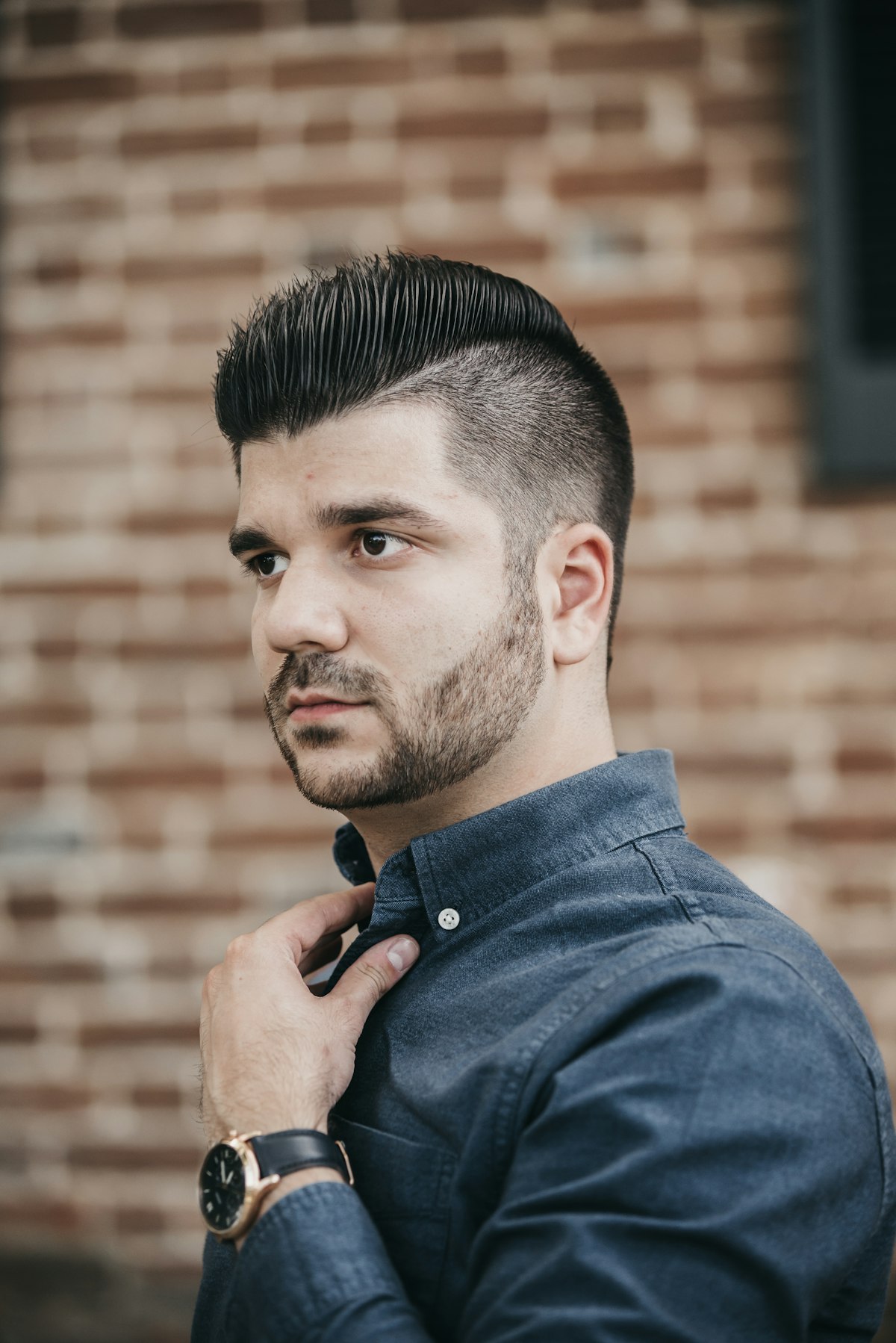
Beard Fade: How to Blend the Beard into the Skin
Beard Fade: How to Blend the Beard into the Skin
A beard fade is a blending technique that transitions the edge of the beard into the surrounding skin rather than ending it at a hard line. The result is a softer, more seamless look at the cheekline, neckline, and the connection between the beard and the haircut sideburn area.
The beard fade has become a standard service in modern barbershops because it significantly elevates the finished appearance of any beard style. A well-executed beard fade requires the same progressive guard technique as a hair fade, applied to the beard perimeter.
Where the Beard Fade Applies
Three areas of the beard have natural edge zones where a fade is applied:
Cheekline fade: The top boundary of the beard on the cheeks. Rather than a hard line from full beard density to bare skin, the fade creates a graduated reduction from the full density of the cheek beard down through shorter guard lengths to nothing at the skin.
Neckline fade: The lower boundary of the beard at the neck. The neckline fade blends the beard into the neck skin, either following the natural neckline contour or a designed neckline shape. A faded neckline is softer than a hard-lined neckline and suits certain beard styles better.
Sideburn connection: Where the beard meets the hair on the sides of the head. On clients who wear faded haircuts, the beard fade at the sideburn area creates a continuous progression from the haircut fade into the beard, producing a single seamless flow rather than a visible transition between the two services.
The Technique
The beard fade uses the same guard progression as a hair fade but in a shorter range and tighter zone. At the cheekline, for example: the full-density beard beard may be at a Guard 2 or 3 level. The fade begins at the edge of the cheekline, stepping down through a 1.5, then a 1, then a 0.5 or balding clipper pass, each slightly narrower than the one above it and overlapping into the zone below.
The key is controlling the width of each step. Beard hair is often denser than head hair and requires a careful scoop motion to avoid hard lines. The blending comb is useful for the transition zones — running a fine-toothed comb against the grain of the beard growth at the edge zones allows the clipper to produce a natural graduation without committing to a specific guard depth.
Tools Required
A T-outliner or detail trimmer for precision outline work. A set of guards in incremental sizes (0.5, 1, 1.5, 2). A balding clipper for any skin-level zones. A blending comb. Good lighting and a hand mirror for showing the client the finished result from multiple angles — the neckline and cheekline fade are often most visible from specific viewing angles that the client cannot see from the chair alone.
CADMEN Training
Beard shaping and fade technique are included in CADMEN's hands-on barbering program. academy.cadmen.ca/in-person-training.
Frequently Asked Questions
What is a beard fade?
A beard fade is a blending technique that gradually transitions the edge of the beard into the surrounding skin rather than creating a hard line. It uses a progressive reduction of guard lengths (the same technique as a hair fade) at the beard's outer edges — the cheekline, neckline, and sideburn connection area. The result is a soft, graduated transition from full beard density to bare skin, giving the beard a clean but natural-looking border. Beard fades are most commonly done on the cheekline (the top boundary of the beard on the cheeks) and the neckline. On clients who wear faded haircuts, the beard fade at the sideburn area creates a seamless visual connection between the haircut fade and the beard.
How do you fade a beard at home?
Fading a beard at home is possible but requires practice and the right tools. You need a set of clipper guards in half-size increments (0.5, 1, 1.5, 2) and a T-outliner or detail trimmer. Start with the highest guard level at the edge of the beard's density. Step down through the guards in a progressively narrower and narrower band toward the skin edge — each lower guard should cover a thinner strip than the one above it. Use a comb against the grain at the transition zones to feather the edge. The main challenge is consistency — the scoop motion on facial curves (jawline, cheekbone) is harder to control than on the head, and an uneven pressure produces a patchy result. Two common outcomes of attempted home beard fades: a visible step-line where the guard levels don't blend smoothly, or taking the fade too high and removing too much from the cheek density. Starting conservatively (not stepping too aggressively down through the guards) and building gradually is safer than going too far on the first pass.
Should the beard neckline be faded or lined?
Both are valid options and the right choice depends on the beard style and client preference. A hard-lined neckline is cleaner and more precise-looking, particularly for shorter, more structured beard styles. It creates a defined boundary that looks intentional. A faded neckline is softer and more natural-looking, particularly for longer, fuller beard styles where the gradual transition fits the overall aesthetic better than a sharp line. The practical consideration: a hard-lined neckline grows out faster in a visually noticeable way (the line softens as hair grows back below it), requiring more frequent maintenance. A faded neckline grows out more gracefully because the graduation zone grows in before the skin line is fully visible again. Clients who want their beard to look maintained longer between visits often benefit from a faded rather than hard-lined neckline.
What is the difference between a beard line and a beard fade?
A beard line (or beard lineup) is a hard, defined edge created with a trimmer at the border of the beard — typically the cheekline, neckline, or both. It produces a clean, precise, geometric boundary between the beard and the skin. A beard fade is the opposite approach to the same border: instead of a hard line, the fade creates a progressive graduation from beard density to bare skin. The distinction is edge treatment only — the beard interior (length, shape, style) is the same in both cases. The two techniques can also be combined: some barbers fade the neckline but line the cheekline (or vice versa) depending on the client's beard shape, density, and preference.
How long does a beard fade last?
A beard fade stays sharp for 1 to 2 weeks, depending on how fast the client's beard grows. The soft transition zone is the first area to become less defined as the beard grows — the progressive guard levels fill in from below, blurring the graduation. Most clients who maintain a beard fade book on a 2 to 3 week schedule for a full beard service. Between full services, some clients come in for a quick edge and neckline touch-up without a full beard trim, which extends the maintained appearance without the time or cost of a complete service. The maintenance frequency for a beard fade is similar to the maintenance frequency for a hair fade — both require regular attention to stay sharp.
Want to learn to cut a beard fade yourself? CADMEN Barber Academy teaches cutting hands-on, with an educator beside you. See the barber academy in Mississauga or view in-person classes and send an enquiry.
Learn this fade step by step in our free Fade Tutorials playlist on YouTube.
