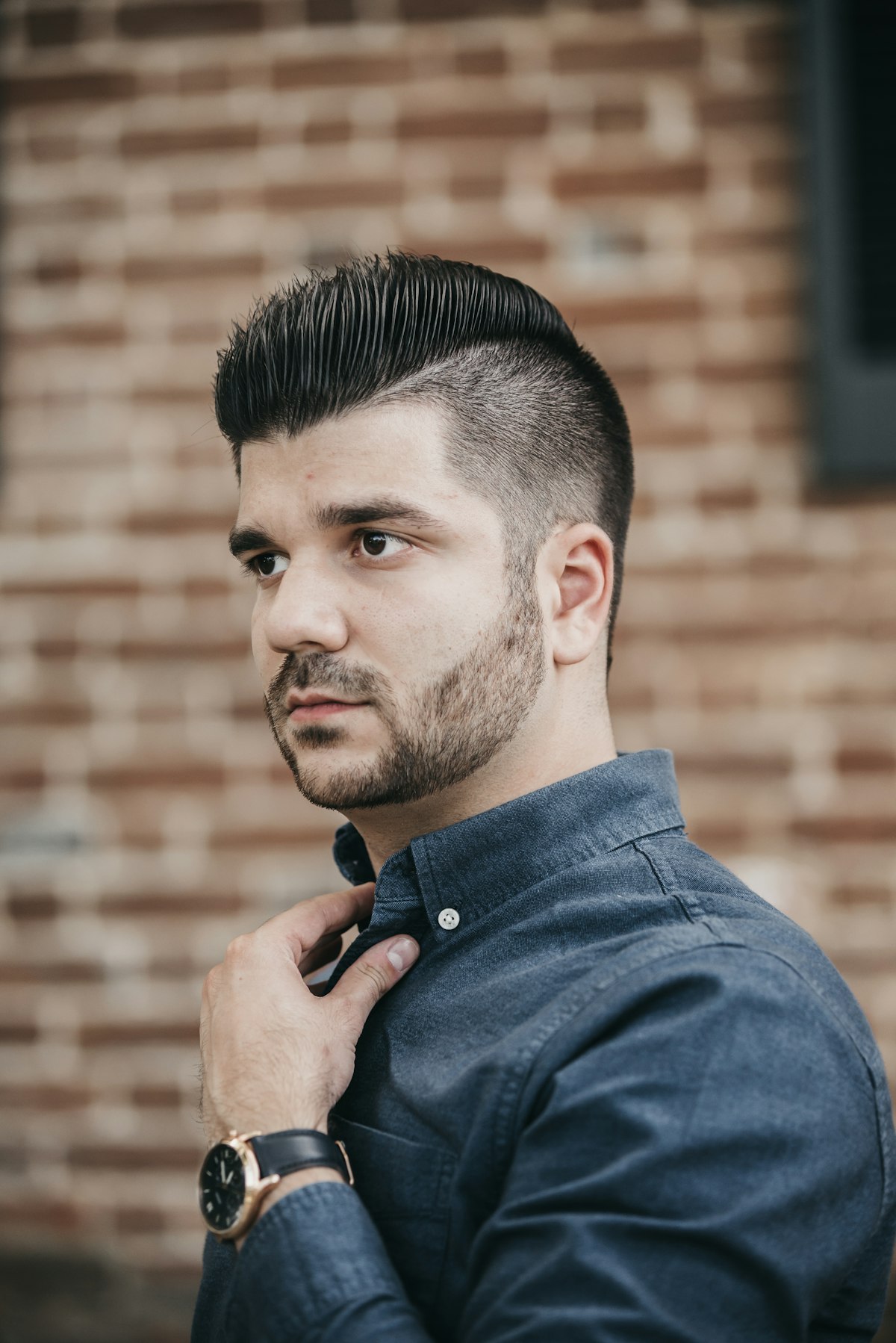
How to Contour and Shape a Beard
How to Contour and Shape a Beard
Beard contouring is the process of shaping a beard to suit the client's face shape, rather than just cleaning up the edges as they naturally fall. A contoured beard can visually narrow a wide face, lengthen a round face, sharpen a soft jawline, or balance an asymmetrical face structure.
Most clients do not request contouring by name. They say "clean it up" or "make it look good." The barber's job is to read the face, decide what the beard should be doing structurally, and execute accordingly.
The Four Lines Every Beard Shape Depends On
1. The cheek line
The line running from the sideburn down toward the mustache area across the cheek. Most clients have a natural cheek line where their beard growth stops. The question is whether to follow it exactly, raise it slightly, or lower it.
Raising the cheek line creates a cleaner, more groomed look. Lowering it is rare but sometimes done on clients with sparse growth trying to maximize visible beard coverage. For most clients, follow the natural line with minor cleanup.
2. The neckline
The most structurally significant line in beard shaping. An incorrect neckline ruins an otherwise good beard. The general rule: the neckline should sit one to two finger-widths above the Adam's apple, following a natural curve from behind each ear.
The mistake most beginners make is setting the neckline too high, which makes the neck look dirty from the side and shrinks the visual mass of the beard. Going too low leaves a neckbeard silhouette. The correct position varies by face length and jawline strength.
3. The sideburn fade or blend
How the beard connects to the sideburns and haircut determines whether the overall look reads as cohesive or disjointed. A sharp disconnection between haircut and beard suits some styles. A blended transition suits others. This decision should match the haircut the client has, not be made in isolation.
4. The mustache line
The edge of the mustache above the lip. Clean it with a straight razor or trimmer. For most clients, the mustache line should follow the lip line precisely. Clients with longer mustaches who want a styled shape (handlebar, etc.) require different technique.
Reading the Face Before Touching the Beard
Before picking up a tool, look at the client's face shape from the front and side. The three most common structural situations you will encounter:
Round face: The goal is to create the illusion of length. Keep the beard longer on the chin and shorter or tighter on the sides. A longer chin point with well-maintained side lines creates a vertical visual emphasis that elongates the face.
Square jaw: The beard can stay fuller on the sides or be tapered tight depending on the client's preference. A strong square jaw does not need the beard to do structural work. Cleanup and symmetry are the priority.
Weak or receded jawline: A well-shaped beard can add significant visual structure here. Keeping the beard fuller along the jaw and clean at the neckline creates the appearance of a stronger jaw. This is one of the cases where beard contouring delivers the most visible transformation.
Step-by-Step Beard Contouring Process
Step 1: Discuss length and shape with the client
Ask what they want before you start. Many beard clients have a reference photo or a previous style they want to replicate. Establish the neckline position and whether they want to clean up the cheek line or leave it natural.
Step 2: Start with the trimmer on top length
If the beard needs length adjustment, use a guard to reduce it to target length first. This makes the shaping steps easier because you are working with a consistent, even surface.
Step 3: Set the neckline
Use a trimmer or T-liner without a guard to define the neckline. Mark the position before committing to it. A temporary line allows you to check symmetry before the final cut. Cut the neckline in a gentle curve, not a straight line, which looks natural from the front and sides.
Step 4: Clean below the neckline with a razor
Shave below the neckline clean with a straight razor or shavette. Prep with hot towel or shave foam. The contrast between the clean skin below the neckline and the beard above it defines the edge. A sharp, clean sub-neckline line is what separates a contoured beard from an untrimmed one.
Step 5: Clean the cheek lines
Remove stray hairs above the natural cheek line. Use a trimmer or razor. Check from the front for symmetry.
Step 6: Shape the mustache
Trim the mustache above the lip line. Use fine scissors or a T-liner for precision. Check from the front before finishing.
Step 7: Apply finishing product
Beard oil or balm to moisturize and add sheen. Apply, comb through, and check the final shape from multiple angles before the client sees the mirror.
Common Contouring Mistakes
Neckline too high: The most common error. Even one centimetre too high significantly shrinks the visual mass of the beard and makes the neck look dirty. Measure and mark before committing.
Asymmetrical cheek lines: Check symmetry from the front, not just from the side you are working on. Small differences in cheek line height are visible and read as sloppy.
Over-tapering the sides on a round face: A round face benefits from length and volume on the chin. If you taper the sides too aggressively, you remove the structural effect the beard was creating.
Learn Beard Work at CADMEN
CADMEN's beard class in Mississauga covers hot towel shave prep, beard contouring and shaping, straight razor technique, and beard product use on live clients throughout both days. Every student gets direct correction from master barber Francis Paua on each client.
Beard class is $1,750 + HST (small group) or $1,950 + HST (1-on-1). Book at academy.cadmen.ca/in-person-training.
Frequently Asked Questions
What is beard contouring?
Beard contouring is shaping a beard to complement the client's face shape, rather than simply cleaning up the edges as they naturally grow. It involves adjusting the neckline position, cheek lines, and overall beard silhouette to create structural balance with the client's facial features.
Where should the beard neckline be?
The neckline should sit one to two finger-widths above the Adam's apple, following a curved line from behind each ear. Too high makes the neck look dirty from the side. Too low creates a neckbeard silhouette. The exact position depends on the client's face length and jawline definition.
How do you shape a beard for a round face?
For a round face, keep more length on the chin to create visual elongation, and keep the sides tighter. A longer chin point with a well-defined neckline creates a vertical emphasis that makes a round face appear longer and slimmer.
What tools are used for beard contouring?
A trimmer for length reduction and rough line work, a T-liner for detail and definition, a straight razor or shavette for cleaning below the neckline and along the cheek lines, and fine scissors for mustache shaping. Hot towel or shave foam is standard for the razor work.
How often should a beard be shaped at the barbershop?
For clients maintaining a defined beard shape, every 2 to 4 weeks depending on growth rate. Clients with fast growth may need more frequent visits to maintain clean lines. Monthly visits are the minimum for most structured beard styles.
Related Reading From CADMEN Barber Academy
- Beard Balm vs. Beard Oil: What Each Product Does
- Beard Balm vs. Beard Oil: The Difference, When to Use Each, and How to Explain It to Your Clients
- Beard Color for Barbers: Services, Techniques, and Adding Color to Your Menu
- How to Line Up a Beard: Edge Work and Shaping
- Beard Fading: What It Is and How Barbers Do It
- Beard Grooming Products Explained: What Each Type Does and When to Use It
