360 Waves: What the Haircut Actually Involves
360 Waves: What the Haircut Actually Involves
360 waves are a hairstyle where the hair forms a continuous ripple pattern radiating outward from the crown in all directions. The pattern is achieved through a combination of the haircut length, brushing technique, and covering the hair to maintain the direction. Here is how the process works.
The Haircut Component
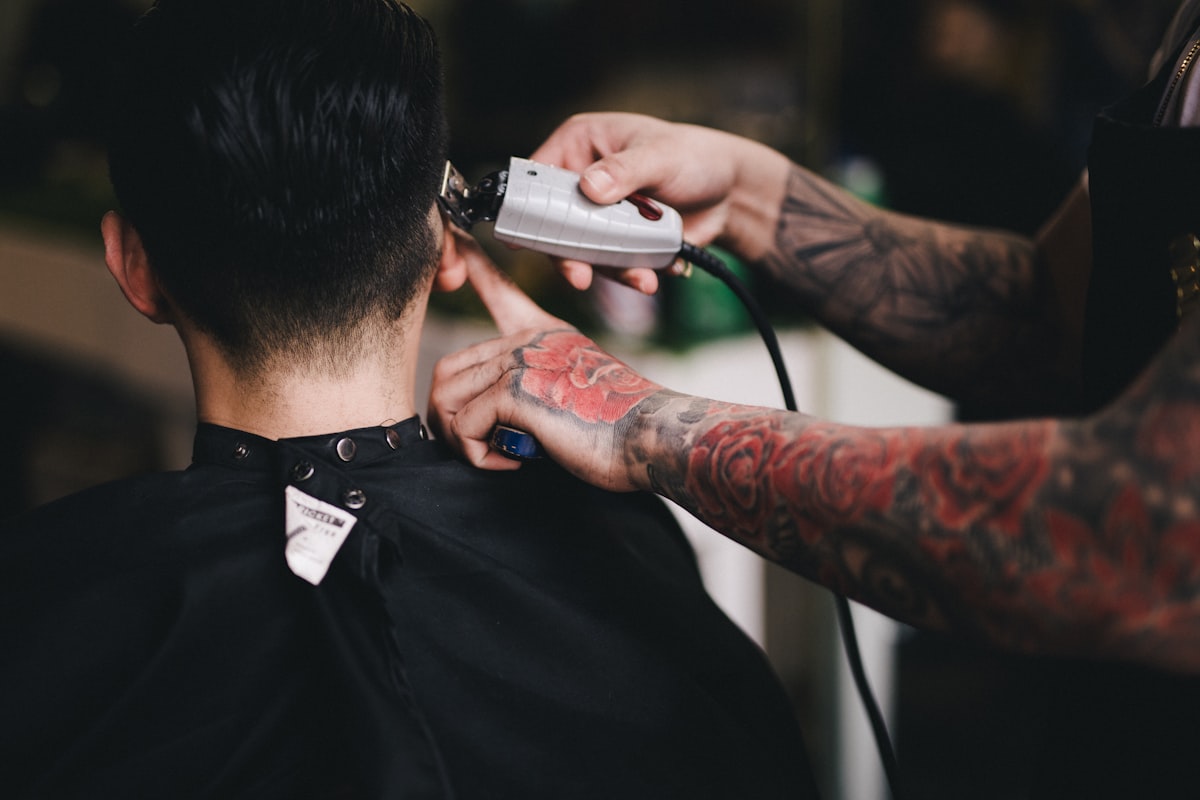
The haircut for waves is a close-cropped cut, typically at a #1 to #1.5 guard or with no guard on the clippers, taken in the direction of the natural hair growth pattern. The barber cuts with the grain (in the direction the hair naturally grows) rather than against it, which lays the hair in the intended direction rather than cutting against the wave pattern. The hairline is lined up cleanly: the front hairline, temple corners, and neckline.
The cut itself is the foundation, but it is not sufficient on its own to create waves. The haircut creates the correct length and initial direction. The brushing and training process creates and maintains the wave pattern.
The Brushing and Training Process
After the cut, the wave pattern is developed through consistent brushing with a wave brush in the direction of the intended pattern, starting from the crown and brushing outward in all directions. The brushing is done multiple times per day. After brushing, the hair is covered with a durag or wave cap, which compresses the hair and holds the direction while moisture and natural oils set the pattern.
The time required to develop a defined wave pattern varies with hair texture. Type 3 hair (looser curl) typically develops visible waves faster than type 4 (tighter coil). Initial pattern development takes 4 to 8 weeks of consistent brushing for most people. Defined, deep waves take longer, depending on the individual's hair texture and consistency of the process.
What the Barber Does Ongoing
Once the wave pattern is established, barbershop visits are for maintenance rather than creation. The barber refreshes the cut length (keeping it in the #1 to #1.5 range), re-lines the hairline, and ensures the cut is done with the grain to preserve the pattern. Cutting against the grain on a wave pattern disrupts the established direction and requires re-training. Communicating this to the barber before the cut prevents this.
Moisture and Product
Dry hair does not hold wave compression well. A light wave grease or pomade applied to the hair before brushing and covering adds moisture that allows the hair to compress and maintain direction. Over-applying product builds up and can look greasy; the amount needed is small. Wave grease is applied to the hair before brushing, not as a styling product for display.
Frequently Asked Questions
Can any hair type get waves?
360 waves work best with type 3 and type 4 natural hair. The coil structure in these hair types allows the wave pattern to form from consistent direction training. Straight hair (type 1) does not form waves through this method because there is no natural coil pattern to train. Type 2 (wavy) hair can sometimes develop a wave pattern but with less definition than type 3-4. The style is most natural and achievable for men with naturally textured or coily hair.
Does getting a haircut disrupt the wave pattern?
A haircut at the correct length (short, with the grain) does not disrupt the pattern. A cut at the wrong length (too long, which eliminates the compressed close-cropped structure) or done against the grain can set back the pattern. Some men time their barbershop visits to maintain the length in the wave-building zone. Going too long between cuts allows the hair to grow out past the length where the wave pattern holds definition.
How do I maintain waves between barbershop visits?
Daily or twice-daily brushing with a wave brush, covering with a durag or wave cap overnight, and keeping the hair moisturized. The brushing is the active maintenance that sustains the pattern. Stopping brushing allows the wave pattern to gradually lose definition as new growth comes in undirected. The daily brushing routine is the core of the style; the haircut establishes the starting conditions.
What is a wolfing period?
A wolfing period is deliberately extending the time between haircuts while continuing to brush. Allowing the hair to grow longer during intense brushing and covering can deepen the wave pattern because the longer hair creates more canvas for the waves to develop. After the wolfing period, the barber cuts back to the standard wave length, and the deepened pattern is revealed. This is a technique used by men working on wave development, not a required step for most wave styles.
Related Reading From CADMEN Barber Academy
- Waves Haircut: How to Get and Maintain 360 Waves
- 360 Waves: What Barbers Need to Know
- Cutting Afro and Type 4 Hair: Techniques for Barbers Working with Coily Textures
- The Blowout Haircut: What It Is and How to Maintain It
- The Brush Up Haircut: What It Is and How to Style It
- The Caesar Haircut: What Makes It a Caesar and How to Cut It Cleanly
Want to learn to cut a haircut for waves yourself? CADMEN Barber Academy teaches cutting hands-on, with an educator beside you. See the barber academy in Mississauga or view in-person classes and send an enquiry.
Watch the free Barbering for Beginners playlist on YouTube.
