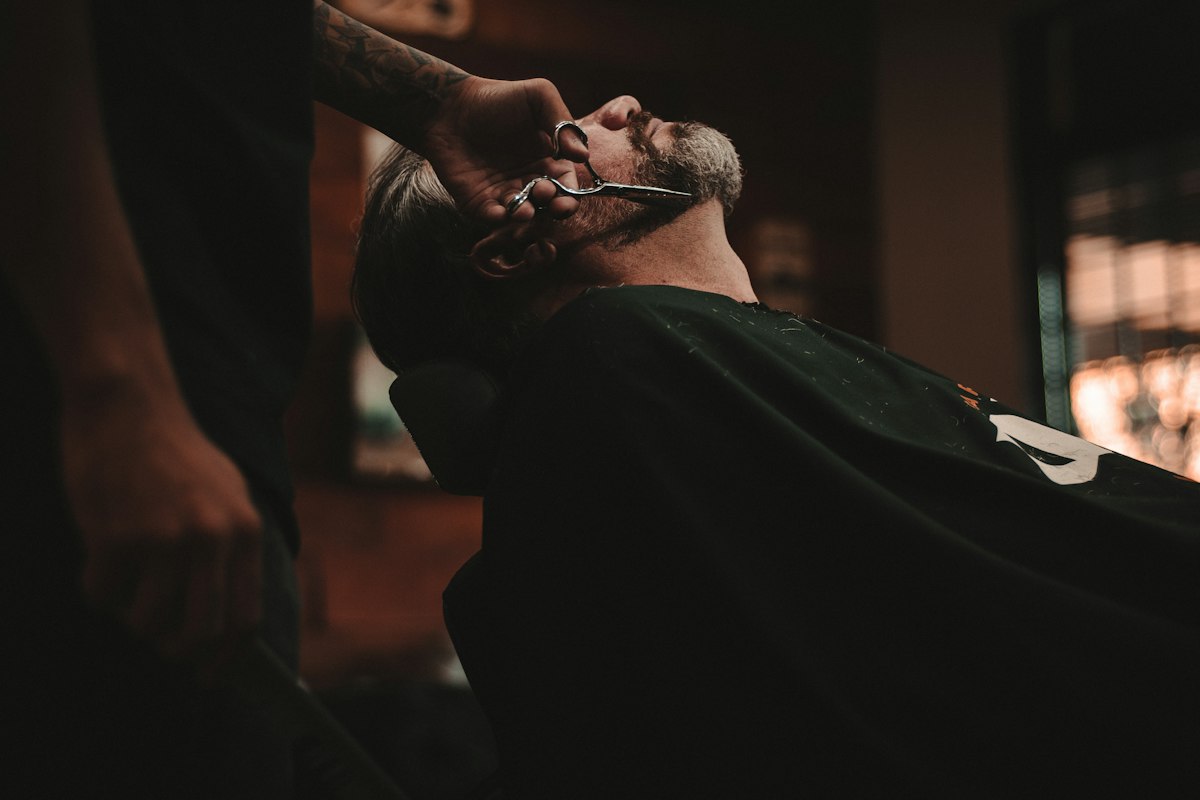
The Short Textured Crop: Why It Works for Almost Everyone
The Short Textured Crop: Why It Works for Almost Everyone
The short textured crop has become the most frequently requested short haircut over the past several years. There are specific reasons for this beyond trend: the structure is genuinely adaptable. Here is how it works and why it flatters a wide range of men.
What a Textured Crop Is
The textured crop is a short haircut where the top section is kept at a short-to-medium length (typically 1.5 to 3 inches) and cut with texture techniques that create a choppy, irregular surface rather than a smooth, even one. The sides are typically tapered or faded short, creating contrast with the fuller top. The front is cut to create a slight forward fall or fringe effect.
The "texture" in the name refers to how the top is cut and styled. The barber uses techniques such as point cutting or razor cutting to reduce bulk and create variation in the length of the top hairs. This variation prevents the top from lying completely flat and creates the layered, textured appearance.
Why It Works for Different Face Shapes
The textured crop is adaptable because its variables can be adjusted for each face shape. The top section can be styled to add volume in one direction, the sides can be faded at different heights, and the front can be shorter or longer. This flexibility means one basic cut structure produces different visual effects depending on how the barber calibrates it for the individual.
For round faces, the crop can be styled to add height and forward direction, creating vertical length that offsets the round shape. For square faces, the texture breaks up the strong jaw line. For oblong faces, the crop can be kept short without the height that would add further length. For diamond and heart shapes, the shorter sides reduce apparent width at the temples.
Hair Type Compatibility
The textured crop works across most hair types. Fine hair benefits from the texture techniques that add the appearance of volume. Thick hair benefits from the bulk reduction that texture cutting provides. Wavy hair is particularly suited to the crop because the natural texture contributes to the choppy look without requiring product to achieve it. Curly and coily hair produces a crop with more pronounced texture and volume, often with a larger silhouette than the same cut on straight hair.
How to Style It
A matte clay or paste applied to slightly damp hair, worked through the top section and shaped forward and toward the forehead, is the standard approach. The product should separate and define the texture rather than flatten it. Less product is more: the goal is definition, not control. Most men apply the product and use their fingers to distribute it, then finish with a light shake or rub of the hands over the top section to set the texture. Minimal comb use preserves the choppy quality.
Frequently Asked Questions
How long does the textured crop take to grow out before it needs a trim?
4 to 6 weeks before the shape loses definition for most men. The sides grow out faster than the top, and the taper or fade starts to look long before the top does. Some men trim the sides every 3 weeks while leaving the top to grow slightly longer over time. The crop adapts well to slightly more length as it grows: a 2-inch crop grows toward a medium-length crop over several months without becoming unmanageable.
Can I get a textured crop with a receding hairline?
Yes. The textured crop is actually a common choice for men with receding hairlines because the forward-directed fringe and the full texture at the top draw attention forward and reduce the apparent extent of the recession. A barber familiar with hairline work will trim the front of the crop to sit just at the hairline boundary or slightly behind it, creating a clean forward edge that does not emphasize the recession.
What is the difference between a textured crop and a French crop?
A French crop (also called a Caesar fringe) is a specific version of the crop where the front section is cut straight across in a horizontal fringe. The textured crop typically does not have a blunt fringe; the front is textured and often irregular in length rather than a defined horizontal line. The French crop emphasizes the fringe as a style feature. The textured crop emphasizes the overall surface texture rather than a specific front boundary.
Is the textured crop appropriate for business settings?
Yes. The textured crop reads as groomed and contemporary in most professional environments. The short sides and controlled texture on top meet the criteria for a maintained appearance that most workplaces consider professional. It does not have the high-fashion or expressive quality of some other textured cuts. It is probably the safest modern haircut choice for professional settings that do not require extremely conservative styling.
What products should I avoid with a textured crop?
Avoid heavy waxes and gels that create a slick, flat, or heavily-held finish. These products eliminate the texture the cut is built around by plastering the hair down or making it stick in defined clumps. Matte products that have flexible hold without shine are the best match. Light-hold products that let the texture move naturally produce better results than rigid-hold products that freeze the hair in one position.
Related Reading From CADMEN Barber Academy
- Textured Crop: How to Cut and Style the Most Requested Men's Short Style of the Last Decade
- The Textured Crop: What It Is and Why It Works
- The Textured Crop: What It Is and Why It Works for Most Men's Hair
- The Textured Crop: Why It Works for Almost Every Hair Type and Face Shape
- The Textured Crop: Why It Became One of Men's Most Requested Cuts
- The Crop Haircut: What It Is, How It Reads, and the Cutting Approach That Makes It Work
Want to learn to cut a textured crop yourself? CADMEN Barber Academy teaches cutting hands-on, with an educator beside you. See the barber academy in Mississauga or view in-person classes and send an enquiry.
Watch the free Barbering for Beginners playlist on YouTube.
