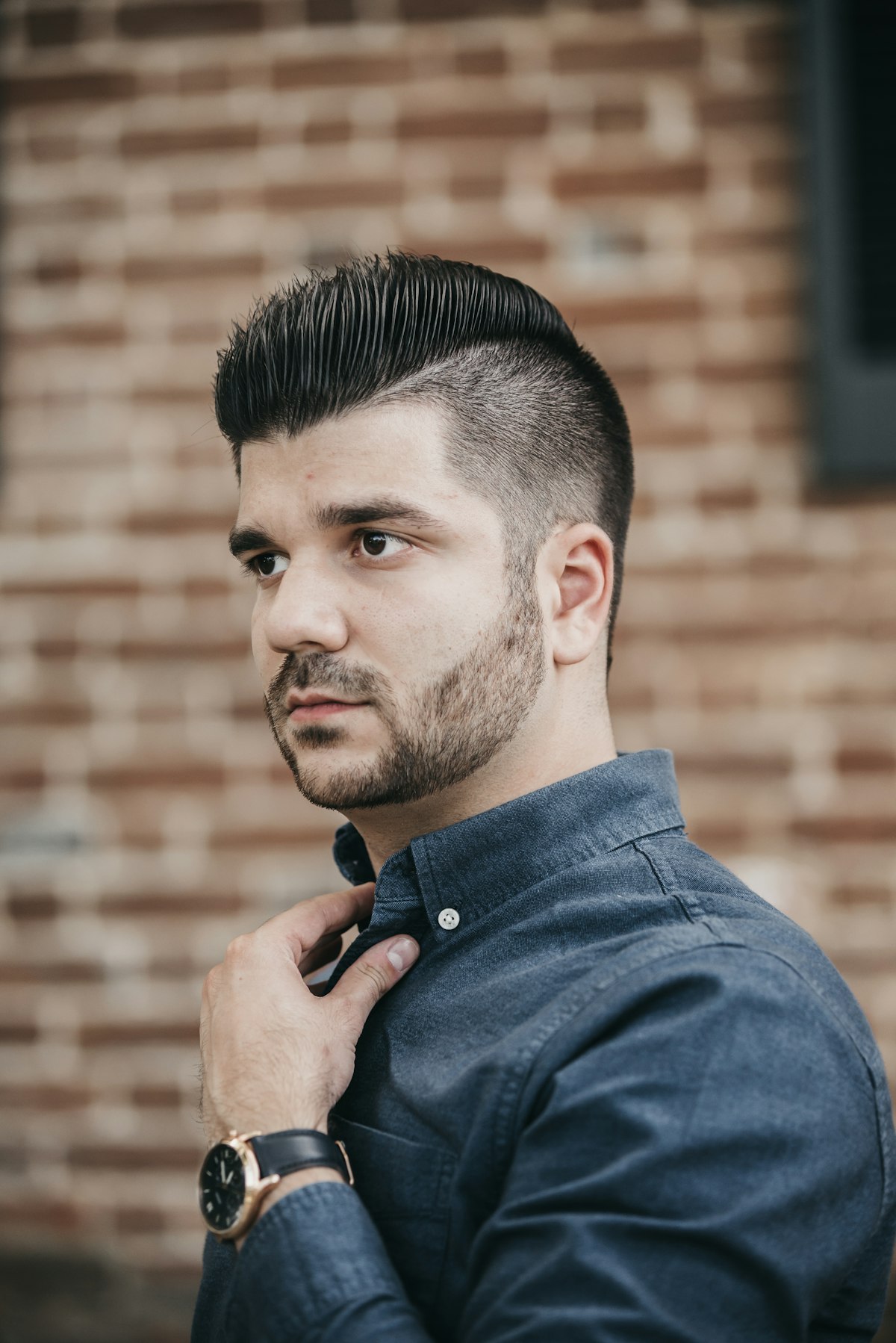
Hair Porosity for Men: What It Means and Why It Affects Your Products
Hair Porosity for Men: What It Means and Why It Affects Your Products
Hair porosity describes how well your hair absorbs and retains moisture. It explains why some products work well on some hair types and not others, why some men's hair feels dry no matter how much conditioner they use, and why some men's hair holds product while others find it weighs down quickly.
What Porosity Is
The hair shaft is surrounded by a cuticle layer of overlapping scales. In low-porosity hair, these scales lie tightly flat, making it difficult for water and products to penetrate but also difficult for moisture to escape once it is inside. In high-porosity hair, these scales are raised or have gaps (from heat damage, chemical processing, or natural hair structure), allowing water and products to enter easily but also allowing moisture to escape quickly. Medium porosity hair absorbs and retains moisture evenly and is typically the easiest type to work with.
How to Test Your Porosity
The float test: take a clean, dry strand of hair and drop it into a glass of room temperature water. Watch for 2 to 4 minutes. If the hair floats near the surface, it is low porosity (water is not penetrating the closed cuticle). If it sinks slowly, medium porosity. If it sinks quickly to the bottom, high porosity (water entered rapidly because the cuticle is open). This test is imperfect but gives a useful directional reading. Product buildup on the hair can skew the result; use a clarifying-washed, clean strand for the most accurate reading.
Product Selection by Porosity
Low-porosity hair: use lightweight, water-based products. Heavy creams and oils sit on top of the cuticle rather than penetrating, producing product buildup and weighed-down hair. Apply products to damp, warm hair (warmth helps open the cuticle slightly to allow absorption). A light leave-in conditioner and water-based pomade work well. High-porosity hair: benefits from richer, heavier products (thick leave-in conditioners, oils like argan or jojoba, butter-based creams) that seal the open cuticle and lock in moisture. Protein treatments help temporarily strengthen the damaged cuticle structure. Medium-porosity: most products work; standard shampoo and conditioner routines with any texture-appropriate styling product perform consistently.
Frequently Asked Questions
Can you change your hair porosity?
You cannot change your natural porosity level permanently, but you can improve the condition of high-porosity hair. High porosity caused by heat damage, chemical treatments, or environmental factors can be improved over time by avoiding further damage (reducing heat use, protecting from UV exposure) and using protein and moisture treatments that help strengthen and smooth the cuticle. Hair grows out from the root; if you stop damaging it and maintain a consistent moisture routine, the new growth will be healthier than the damaged sections. Natural hair porosity determined by genetics cannot be changed.
Does porosity affect how a haircut looks?
Indirectly. High-porosity hair that is dry and frizzy will look different after a cut than healthy, well-moisturized hair, regardless of how well the cut was executed. The finish of any haircut is partly a function of the hair's overall condition. Improving porosity-related dryness and product performance will make any haircut look better because the hair will lie, hold, and reflect light more consistently. Addressing porosity is a baseline care step, not separate from how a haircut performs.
