How to Grow Your Hair Out as a Man: What Actually Works
How to Grow Your Hair Out as a Man: What Actually Works
Growing hair out is straightforward in theory and genuinely difficult in practice. The awkward stages are real, the timeline is longer than most men expect, and the decisions made during the growth process affect how the end result looks. Here is what to expect and how to manage it.
The Realistic Timeline
Hair grows approximately 6 inches per year, or 1/2 inch per month. This is an average; individual rates range from about 4 to 8 inches per year depending on genetics, age, and overall health. Growing from a short clipper cut (1/2 inch of hair) to a length that can be combed or styled (3 to 4 inches) takes approximately 5 to 7 months. Growing to shoulder length from a short cut takes 16 to 24 months. These timelines cannot be shortened by any product or treatment. Biotin supplements, scalp massages, and various hair growth products have limited evidence for effectiveness; the primary variables are genetics and health.
The Awkward Stage and How to Manage It
The awkward stage is typically the 2 to 5 month window where the hair is too long to look like a short haircut and too short to look like a medium or long haircut. During this stage, hair tends to stick out at the sides, grow unevenly, and resist all styling attempts. Strategies that help: keep getting haircuts (not to remove length, but to shape the existing hair and keep the sides and back in proportion while the top grows); use a small amount of product to control stray sections; accept that the awkward stage exists and is temporary. Growing hair out requires committing to this phase rather than cutting it off out of frustration.
Should You Keep Getting Haircuts During Growth
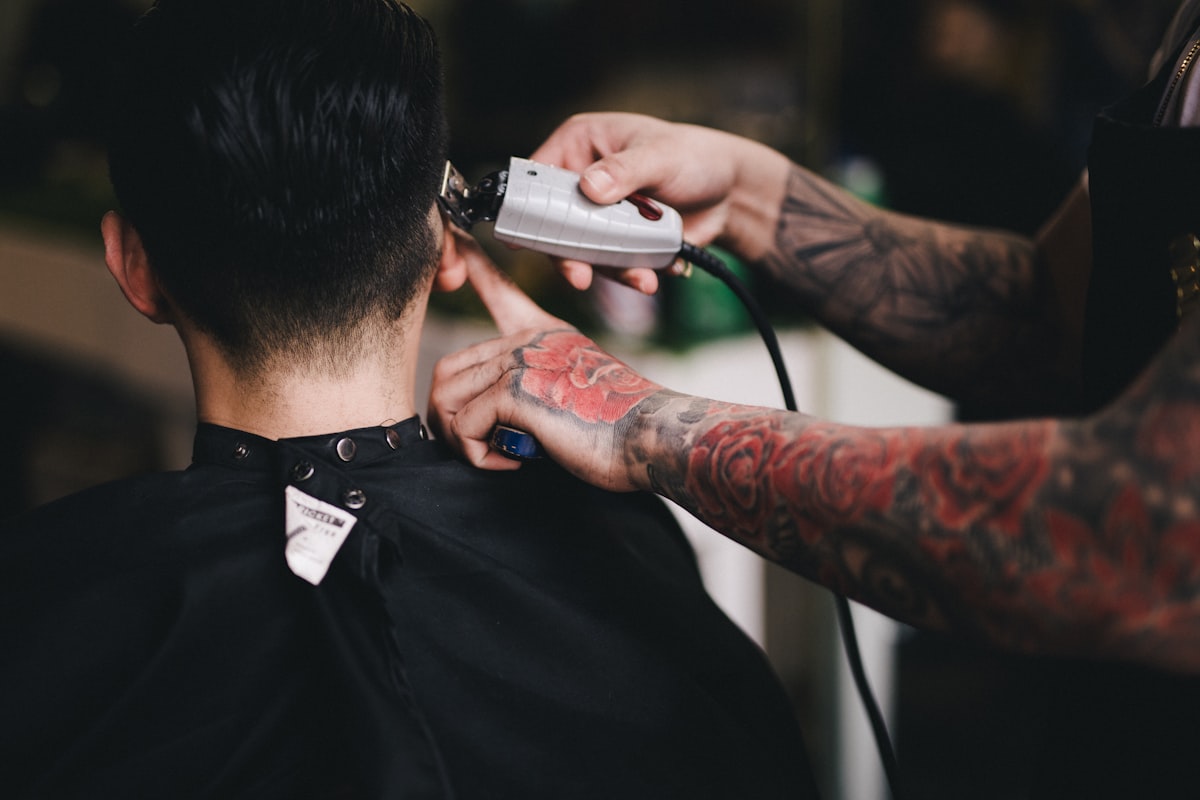
Yes. The goal of haircuts during a growth phase is not to remove length but to shape the existing length and maintain proportion. Trimming the sides and back while leaving the top untouched allows the overall shape to remain presentable as the top grows. If you avoid all haircuts, the result is hair that grows unevenly in all directions with no shape. Regular appointments every 6 to 8 weeks during a growth phase typically produce a better-looking result throughout the process than avoiding cuts entirely.
Frequently Asked Questions
Does cutting hair make it grow faster?
No. Hair grows from the follicle at the scalp, not from the ends. Cutting the ends has no effect on the growth rate at the root. The belief that cutting accelerates growth is likely based on the observation that regularly trimmed hair looks healthier (because split ends are removed), which may feel like faster growth but is simply healthier, more intact hair. The only way to influence growth rate is through overall health: nutrition, sleep quality, and any underlying conditions affecting hair growth (such as thyroid function or iron deficiency) genuinely affect rate. Frequent trims do not.
What products help during a grow-out phase?
Light products that add some control without weighing the hair down. A medium-hold water-based pomade or a light cream works well for the 2 to 4 inch stage. Avoid heavy oils or waxes during the awkward stage as they add weight and emphasize the lack of shape. When the hair is long enough to be swept to one side or back, stronger-hold products become more relevant. The product choice during a grow-out phase is less important than the shape management through regular appointments.
