Men's Grooming Routine for Beginners: Where to Start
Men's Grooming Routine for Beginners: Where to Start
Most men who want to improve their grooming start by buying too many products. The minimum effective routine is short. Here is what matters and what to skip when you are building from zero.
The Baseline: Three Products for Your Face
Face wash, moisturizer, and SPF. In that order. A gentle face wash removes oil, dirt, and sweat without stripping the skin's barrier; use it morning and evening. A moisturizer replaces the moisture the wash removes and keeps skin from looking dry and dull; apply it after washing while the skin is slightly damp. An SPF product protects against the UV exposure that causes the majority of skin aging; apply it in the morning over or instead of your regular moisturizer. These three products address the most impactful skin concerns for most men. Everything else is secondary until these three are consistent habits.
Hair Care Fundamentals
Clean hair every 2 to 3 days (or daily if you have very oily hair, less frequently if you have dry or coarse hair). Use a shampoo matched to your hair type; fine/oily hair benefits from a clarifying or volumizing formula; dry/coarse hair benefits from a moisturizing formula. Condition after shampooing: apply conditioner mid-length to ends, leave for 1 to 2 minutes, rinse. Conditioner reduces friction, softens the cuticle, and makes the hair more manageable. These two steps are sufficient for most men as a hair care baseline. Styling products (pomade, clay, wax) come after this foundation, when the hair is clean and conditioned.
The Haircut
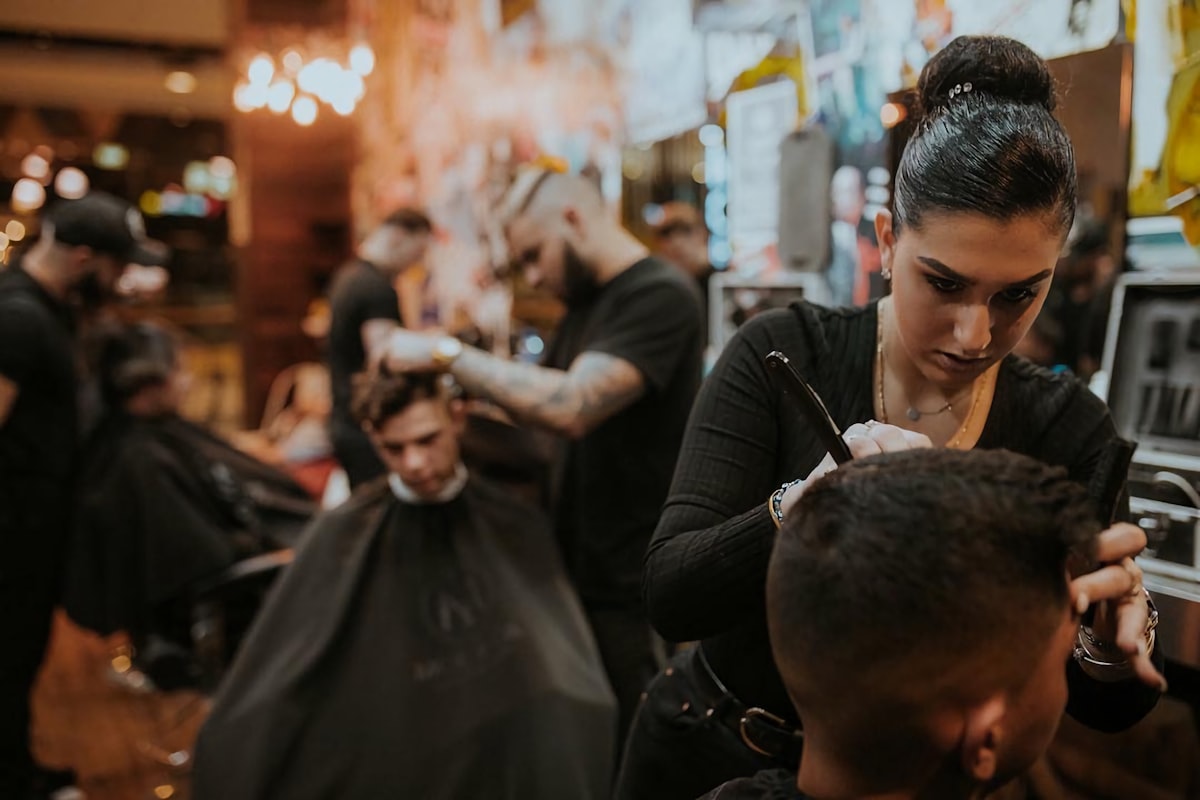
A well-executed haircut every 4 to 6 weeks does more for overall appearance than any product. A sharp, clean haircut makes untouched styling look intentional. An overgrown haircut undermines even the most carefully applied product. Budget for regular haircuts as part of the grooming routine rather than treating them as occasional. The frequency depends on your style: shorter fades require visits every 3 to 4 weeks; longer styles can extend to 6 to 8 weeks.
What to Skip as a Beginner
Skip specialized treatments, serums, toners, essences, and multi-step routines until the baseline is consistent. These add complexity before the fundamentals are established. Buying ten products and using none of them consistently is worse than using three products every day. Build the baseline until it is automatic, then add complexity if you want to address specific concerns (acne, dryness, beard care, etc.).
Frequently Asked Questions
How long does a basic grooming routine take?
Under 5 minutes morning and evening combined. Face wash: 60 seconds. Moisturizer and SPF: 60 seconds. Hair care (washing days): 5 to 8 minutes in the shower. Styling: 2 to 5 minutes. Most men who think they do not have time for a grooming routine have not measured how little time the baseline actually takes. The barrier is habit formation, not time.
What SPF product should men use?
A broad-spectrum SPF 30 or higher moisturizer is the simplest option because it combines the moisturizer and SPF steps into one product. SPF 30 blocks approximately 97% of UVB rays; SPF 50 blocks approximately 98%. The marginal difference between 30 and 50 is small. More important than the SPF number is daily use: SPF 30 used every day provides significantly more protection than SPF 50 used inconsistently. Look for "broad-spectrum" on the label, which means it covers both UVA and UVB radiation. Lightweight, non-greasy formulas exist specifically for daily use under other products.
Do men need to use conditioner?
Yes, for most hair types. The exception is men with very fine, very oily hair who find conditioner makes their hair flat and greasy even with minimal amounts. For everyone else, conditioner reduces breakage (the hair is more elastic when conditioned), reduces frizz (the cuticle is smoothed), and makes the hair easier to style (less tangling and friction during combing). Apply from mid-shaft to ends; avoid the scalp, which produces its own natural oils. A 60-second application and rinse during each shower adds little time but produces a noticeable difference in hair texture and manageability.
When should I add more products to my routine?
When you have a specific concern that the baseline is not addressing. Dry, tight skin after washing suggests you need a richer moisturizer or shorter showers. Persistent acne suggests adding an active ingredient (benzoyl peroxide or salicylic acid). Beard itch suggests adding a beard oil. Hair that does not hold style suggests experimenting with a different hold-level product. Each addition should address a real, current problem rather than a theoretical future concern. Add one product at a time and assess its effect before adding another; adding multiple products simultaneously makes it impossible to identify what is working.
Related Reading From CADMEN Barber Academy
- A Men's Grooming Routine: What to Do Daily, Weekly, and Monthly
- The Beginner's Hair Routine for Men: 5 Steps That Actually Work
- A Practical Morning Grooming Routine for Men: What to Do and in What Order
- The Top 5 Most Important Tools to Have in Your Barber Beginner Kit
- Beard Grooming Products Explained: What Each Type Does and When to Use It
- Men's Beard Grooming at Home: The Essential Routine
