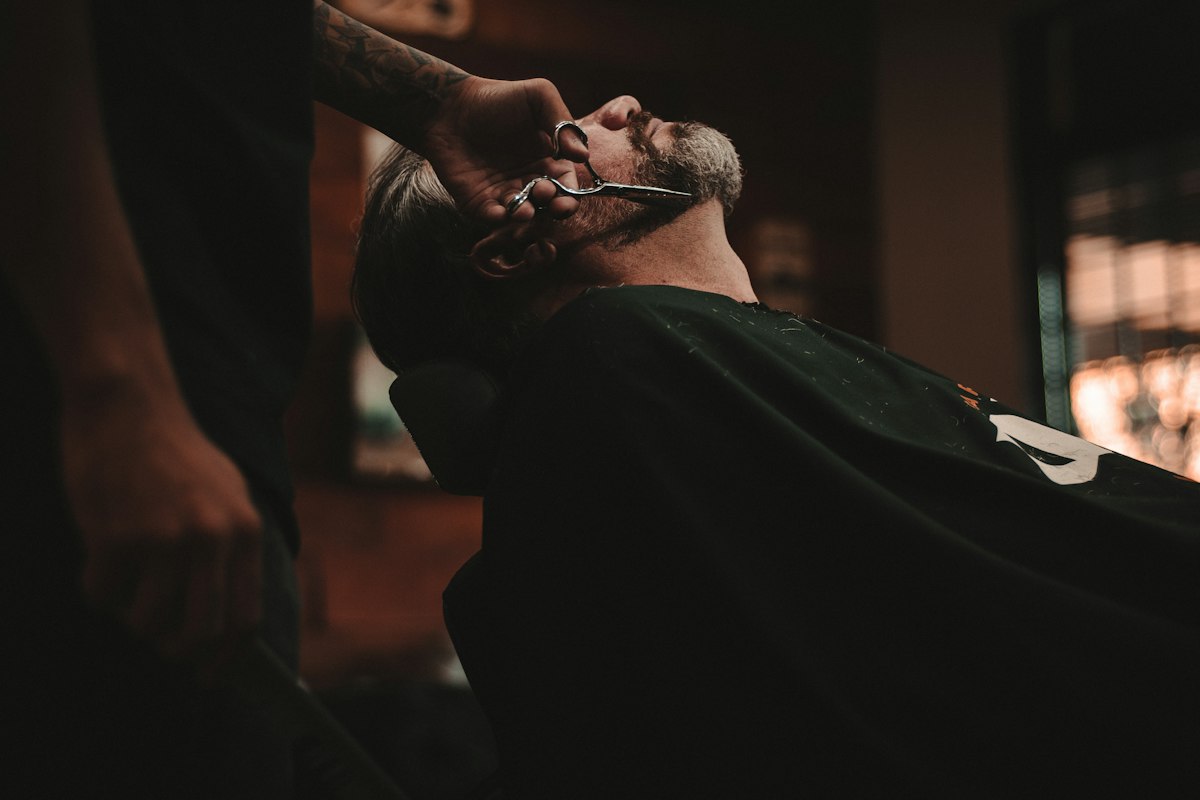
How to Fade a Beard to Match Your Haircut
How to Fade a Beard to Match Your Haircut
A sharp haircut can look disconnected if the beard does not transition cleanly into it. The beard fade solves this. It blends the sideburn area into the beard so the hair and beard read as one continuous style rather than two separate things sitting next to each other.
What a Beard Fade Is
A beard fade is a gradient on the cheek and sideburn area that transitions the density of the beard from fuller in the lower face to shorter or absent in the sideburn area. The sideburn region blends into the fade on the haircut, and the beard starts with shorter hair at the top before becoming denser toward the jawline and chin.
When done correctly, you cannot see exactly where the haircut ends and the beard begins. The transition is seamless.
Why It Matters
Without any fading or blending, the sideburn region creates a visible hard edge between the haircut and the beard. The haircut has a clean fade on the sides, and then suddenly a full sideburn appears at the edge. This contrast reads as unfinished.
The beard fade connects the two elements. The sideburn area at the highest point matches the fade height of the haircut. It then gradually increases in density as it moves toward the cheekbone and jaw. The haircut and the beard form a continuous gradient.
How Barbers Execute It
The barber starts at the sideburn junction, usually at the same level as the top of the haircut fade. They blend the hair at this point to match the fade density. From there they work downward, gradually increasing the length of the beard guard settings until the beard transitions into its full density.
For a beard connected to a skin fade, the sideburn area may go to skin level at the very top and blend outward from there. The cheek line and neckline are then shaped to define the beard structure below the fade zone.
Match the Fade Heights
The beard fade works best when the height of the beard fade matches the height of the haircut fade. If the haircut has a mid fade that hits around the temple, the beard fade should start at approximately the same level. If the haircut has a high fade, the beard blend needs to start higher to maintain the visual continuity.
This is the most common mistake men make when they get their haircut and beard done separately by different people. One person does the haircut with a high fade. Another trims the beard without considering where the fade is. The result is a visible disconnect at the sideburn.
Ask for It Correctly
When booking, specify that you want your beard blended with your haircut. At the chair, show the barber the fade height on your haircut and tell them you want the beard to connect at that same level.
If you have both done in the same appointment by the same barber, they will handle the blend naturally. If you are getting the beard trimmed as a separate service after a haircut done elsewhere, bring a photo that shows the fade line from the haircut so the barber can match it.
Neckline Shaping
The beard fade addresses the cheek and sideburn connection. Neckline shaping is a separate part of the beard service. The neckline defines the lower boundary of the beard under the jaw.
The natural neckline sits where the neck meets the underside of the jaw. Most barbers clean up the neckline as part of any beard service. Specify whether you want a hard shaved neckline or a softer, more natural fade-out at the neck.
Maintenance
The beard fade in the sideburn region grows out alongside the haircut fade. If you maintain your haircut every 2 to 3 weeks, the beard blend should be refreshed at the same time. Getting the haircut without touching the beard creates the same disconnect problem the fade was designed to solve.
For men who trim their own beard at home, the sideburn and upper cheek region is the area that most affects the haircut connection. Even a basic clean-up of the sideburn at home can extend the clean look of a fresh haircut fade by several days.
Frequently Asked Questions
Do I need a full beard to get a beard fade?
No. The beard fade is about the transition zone between the haircut and the beard, regardless of beard length. Men with short stubble, medium beards, or longer beards all benefit from the blend at the sideburn junction. The sideburn region always needs to transition smoothly into the haircut regardless of overall beard length.
Can I get a beard fade without a haircut fade?
The beard fade works best when there is a haircut fade to connect to. If the haircut has a blunt, non-faded side cut, a traditional beard fade does not have a reference point to blend toward. In this case the barber shapes the beard with a clean cheek line that complements the blunt cut rather than a fade connection.
How long does a beard fade take to add to a haircut appointment?
A beard trim and blend typically adds 15 to 20 minutes to a standard haircut appointment. Book a combined haircut and beard trim appointment rather than a haircut alone if you want both done. The price is usually slightly higher for the combined service.
Will the barber charge extra for blending the beard?
Most shops charge for a beard trim as an add-on service to the haircut. The blending of the sideburn zone is typically included in that beard service, not priced separately. Confirm when booking.
Can I ask the barber to not touch my beard length, just blend the sideburns?
Yes. Tell the barber exactly that: "I just want the sideburn area cleaned up to blend with the fade, leave the beard length alone." This is a common request and a skilled barber handles it without adjusting the beard body. Be specific about where the cut stops and the beard begins.
Related Reading From CADMEN Barber Academy
- Beard Fading: What It Is and How Barbers Do It
- Blending the Beard into the Fade: How Barbers Connect Hair and Beard
- Beard Fade: What It Is and How to Ask for One
- Beard Fade: What It Is and How Barbers Blend the Beard into the Skin
- Fade with Beard: Making the Two Work Together
- Bald Fade vs Skin Fade: Are They the Same Thing?
Want to learn to cut a beard fade yourself? CADMEN Barber Academy teaches cutting hands-on, with an educator beside you. See the barber academy in Mississauga or view in-person classes and send an enquiry.
Learn this fade step by step in our free Fade Tutorials playlist on YouTube.
