The Low Fade: What It Is and When to Choose It
The Low Fade: What It Is and When to Choose It
The low fade is the most subtle and versatile of the three main fade positions. Understanding what makes it different from a mid or high fade, and when it is the right choice, makes it easier to get exactly what you want at the barbershop.
What Defines a Low Fade
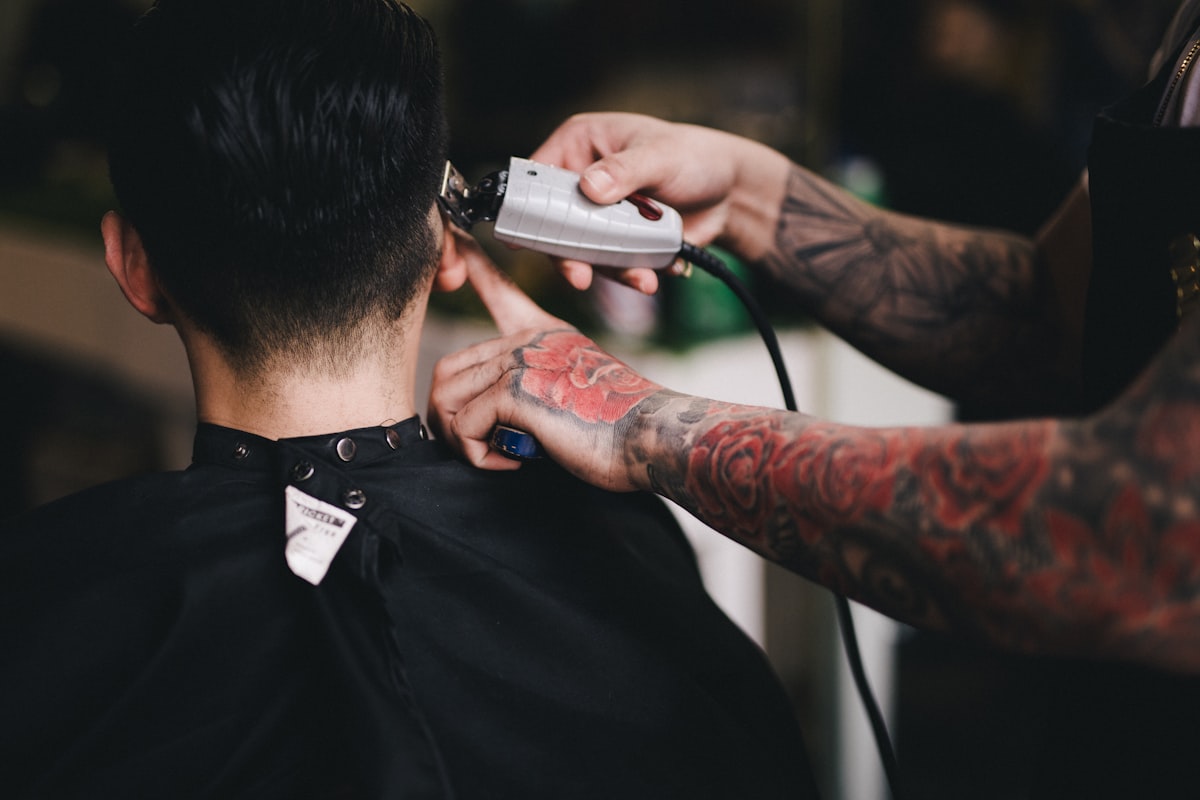
The position of a fade refers to where the fade begins on the sides of the head. A low fade starts near the bottom of the sides, approximately at the natural hairline above the ear and at the neckline. The fade transitions from the shorter clipper length to skin or very short within a narrow band near the perimeter.
Above the fade line, the hair maintains most of its length and fullness. The graduation happens at the very bottom of the sides rather than working up the head. From a distance, a low fade is less immediately visible than a mid or high fade. Up close, the clean graduation and sharp perimeter are evident.
How It Compares to Mid and High Fades
A mid fade starts at approximately the temple level, creating a fade that begins in the middle of the side. The transition is more visible and creates a stronger visual contrast between the shorter faded area and the longer top section.
A high fade starts above the temples and creates the maximum contrast and visual impact. The faded area covers most of the side of the head, leaving only the very top section at full length.
The low fade is the most conservative option. It maintains more hair on the sides while still providing a clean, graduated perimeter.
When to Choose a Low Fade
The low fade suits professional environments that lean conservative. The graduation is subtle enough that it does not read as a bold style choice. A man in a corporate or formal setting who wants the clean finish of a fade without the bold visual impact of a high fade benefits from a low fade.
The low fade works particularly well with longer top styles. When the top is 3 inches or longer, a high or mid fade can look disproportionate. The low fade provides the perimeter definition without removing the natural volume from the sides that longer top styles use for balance.
The low fade grows out more gracefully than a high or mid fade. Because the fade line is near the perimeter rather than high on the side, growth occurs primarily at the very bottom rather than in the more visible mid-side area. This extends the clean appearance of the cut by an extra week or two compared to higher fade positions.
Common Top Style Pairings
Classic side parts, textured crops, Ivy League cuts, slicked-back styles, and longer flowing styles all pair naturally with a low fade. These are styles that benefit from a clean perimeter without needing the dramatic contrast of a higher fade.
Short top styles like buzz cuts and very short crops work with any fade position including low. The short top with a low fade produces a clean overall look that is consistent throughout without visual segments.
Frequently Asked Questions
Is a low fade the same as a taper?
They are related but distinct. A taper reduces length toward the neckline and sideburns but does not reach skin. A low fade reduces to skin at the lowest point. Both happen near the perimeter, but the fade goes further in depth than a taper. A low skin fade has skin visible at the neckline and near the ear. A taper always has some hair covering the skin.
Can a low fade have a drop arc?
Yes. A low drop fade combines the low fade position with the curved arc that drops behind the ear. This is a common combination. The low position means the fade starts near the perimeter, and the drop arc means the fade follows the natural hairline curve behind the ear rather than maintaining a horizontal line.
What clipper guard is used for a low fade?
The skin point at the very bottom is typically bare (no guard). The fade graduation works upward through guards from 0 to 1 to 1.5 to 2 as it approaches the longer hair above. The specific guards depend on how sharp the barber wants the transition and the length of the hair above the fade. This is barber-specific technique; the outcome you want to communicate is the final look rather than the specific guard numbers.
Does a low fade suit a round face shape?
The low fade is more neutral for round faces than a high fade. A high fade removes significant volume from the sides of the head, which can emphasize width in a round face. A low fade keeps more hair on the sides while still providing clean graduation. Round faces benefit from styles that add height at the crown rather than removing side volume, and the low fade is more compatible with that approach.
How often does a low fade need to be refreshed?
Every 3 to 5 weeks. The low position means the fade line is near the perimeter hairline, which grows more slowly than the hair above. The gradual blurring of the fade takes slightly longer to become noticeable compared to a mid or high fade, where the skin section is in a more visible and faster-growing area.
Want to learn to cut a low fade yourself? CADMEN Barber Academy teaches cutting hands-on, with an educator beside you. See the barber academy in Mississauga or view in-person classes and send an enquiry.
Learn this fade step by step in our free Fade Tutorials playlist on YouTube.
