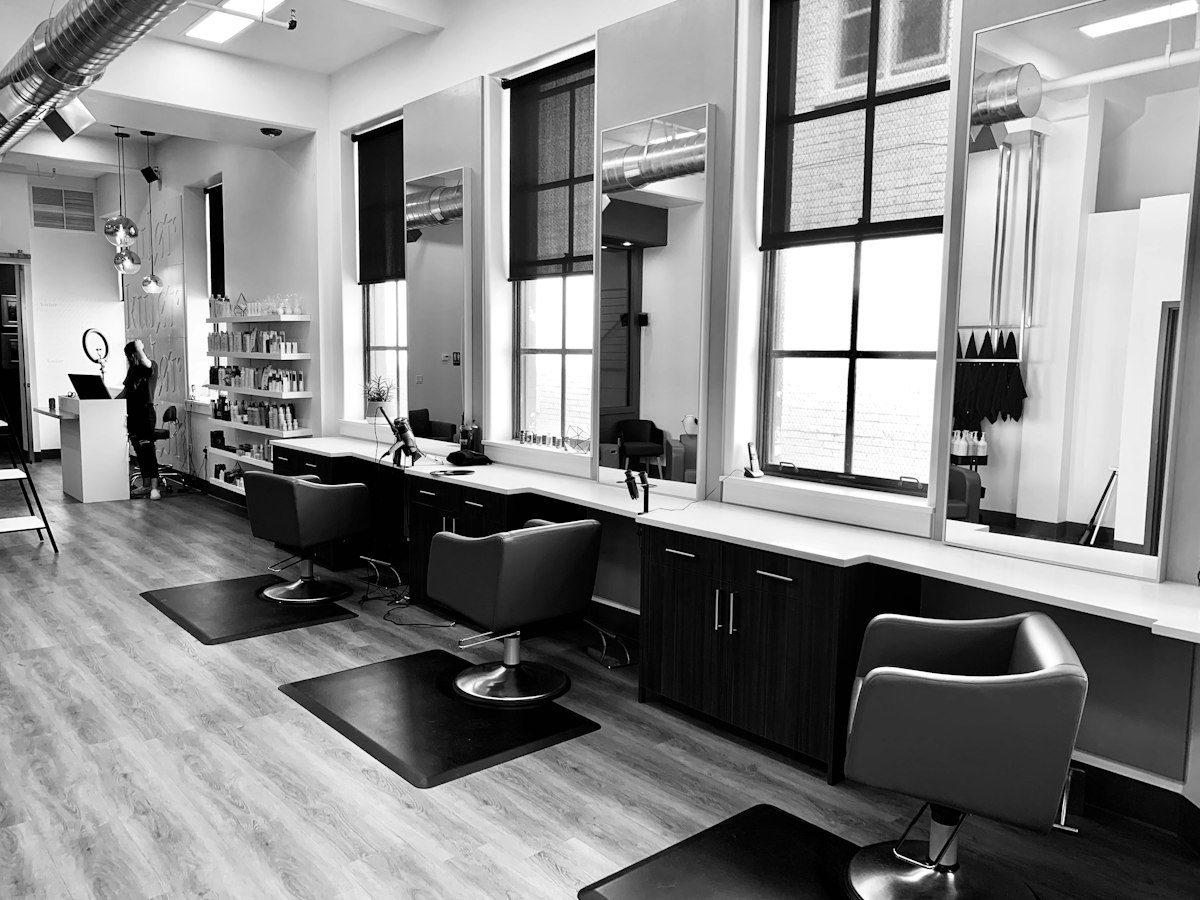
How to Grow Barbershop Revenue: The Specific Levers That Move the Number
How to Grow Barbershop Revenue: The Specific Levers That Move the Number
Barbershop revenue is the product of three variables: how many clients come in, how much they pay per visit, and how often they return. Every revenue growth strategy operates on one or more of these three variables. The most effective growth strategies are those that compound: actions that increase retention and increase average ticket simultaneously produce exponential results compared to strategies that only attract new clients.
The Three Revenue Levers
1. Volume: More clients per week
New client acquisition through referrals, social media visibility, local search optimization, and word of mouth. The least efficient lever in isolation because new client acquisition is the most expensive and the outcome is not guaranteed to compound; a new client who does not return provides one revenue event.
Walk-in traffic optimization: if the shop is in a high-foot-traffic location, a visible, credible exterior and an obvious walk-in welcome signal captures demand that already exists. Menu board visibility, open signage, and a clean front entrance are the zero-cost tactics here.
2. Average ticket: More revenue per visit
Pricing review. The most direct lever and the most under-utilized. A $5 price increase across 200 monthly clients is $1,000/month in additional revenue with no additional clients, no additional barber time, and no additional marketing spend. Many barbershop owners have not raised prices in 3 to 5 years despite inflation in labor, rent, and supplies. The clients who leave due to a price increase are almost always offset by the revenue increase from those who stay.
Add-on services. Beard trim add-on to a haircut. Hot towel finishing. Scalp treatment. Each add-on at $10 to $25 per client, taken by 20 to 30% of the book, adds $400 to $1,200 per month at a 3-barber shop. Add-ons require only the barber mentioning them at the right point in the service; there is no additional acquisition cost.
Retail products. As covered in a separate post: product recommendation during the service converts at 3 to 5x the rate of a counter display alone.
3. Retention: Clients returning more often
Retention is the compounding lever. A client who returns every 3 weeks instead of every 5 weeks visits 17 times per year instead of 10. At $55 per visit, that is $935 versus $550 annually. Multiply by a book of 200 clients and the retention difference is a $77,000 revenue gap between a 3-week average return rate and a 5-week average return rate. Retention improvement has the highest long-term ROI of any growth lever.
Retention drivers: cut consistency (the client gets what they expected and what they got last time), the rebooking habit (barbers ask at the chair), and automated reminders (text or email follow-up at the natural rebook window based on each client's history).
Where to Start
New shops (under 2 years): volume is the primary constraint. Focus on referral development, social media portfolio building, and making the booking experience frictionless.
Established shops (2+ years, consistent book): retention and average ticket are the levers with the highest ROI. A pricing review and an add-on conversation protocol deliver immediate results without client acquisition cost.
Frequently Asked Questions
What is the average revenue for a 3-chair barbershop in Canada?
Highly variable by market, pricing, and utilization. A 3-chair independent shop in the GTA with full books at $50 average ticket and 8 clients per barber per day, 5 days per week, generates approximately $18,000 per week or $900,000+ per year in gross revenue. Most independent shops operate at less than full utilization; $300,000 to $500,000 per year is a common range for a well-run 3-chair independent in Ontario. This is gross revenue; net profit depends heavily on rent, labor structure, and owner comp expectations.
How do you increase the average ticket at a barbershop?
Three tactics with the highest ROI: raise base service prices (a one-time decision that affects every client immediately), introduce or promote add-on services that barbers mention during the cut, and position premium services (1-on-1 private sessions, specialty cuts) at higher prices for clients who want a premium experience. Of these, the price increase for existing services is the fastest and highest-leverage action for most shops that have not raised prices in 2+ years.
Does social media actually bring clients to a barbershop?
Yes, but primarily through portfolio visibility rather than direct viral reach. A prospective client who sees an excellent haircut photo tagged to the shop's location, or who searches "barbershop [city]" on Instagram and finds a feed of high-quality work, converts at a significantly higher rate than one exposed to a generic promotional post. The ROI of social media for a barbershop is concentrated in consistent portfolio documentation (before-and-after photos and Reels) rather than promotional content. Shops that post client work 3 to 5 times per week see measurable new-client attribution from Instagram within 6 to 12 months of consistent posting.
Related Reading From CADMEN Barber Academy
- Growing a Beard: What the First 30 Days Actually Look Like
- How to Grow a Beard: A Practical Guide for Men
- Multiple Revenue Streams for Barbers and Barbershop Owners
- How Barbershops Make Money Beyond Haircuts
- How Much Revenue Should Each Chair in Your Barbershop Generate
- How to Grow a Barbershop Business in Canada
