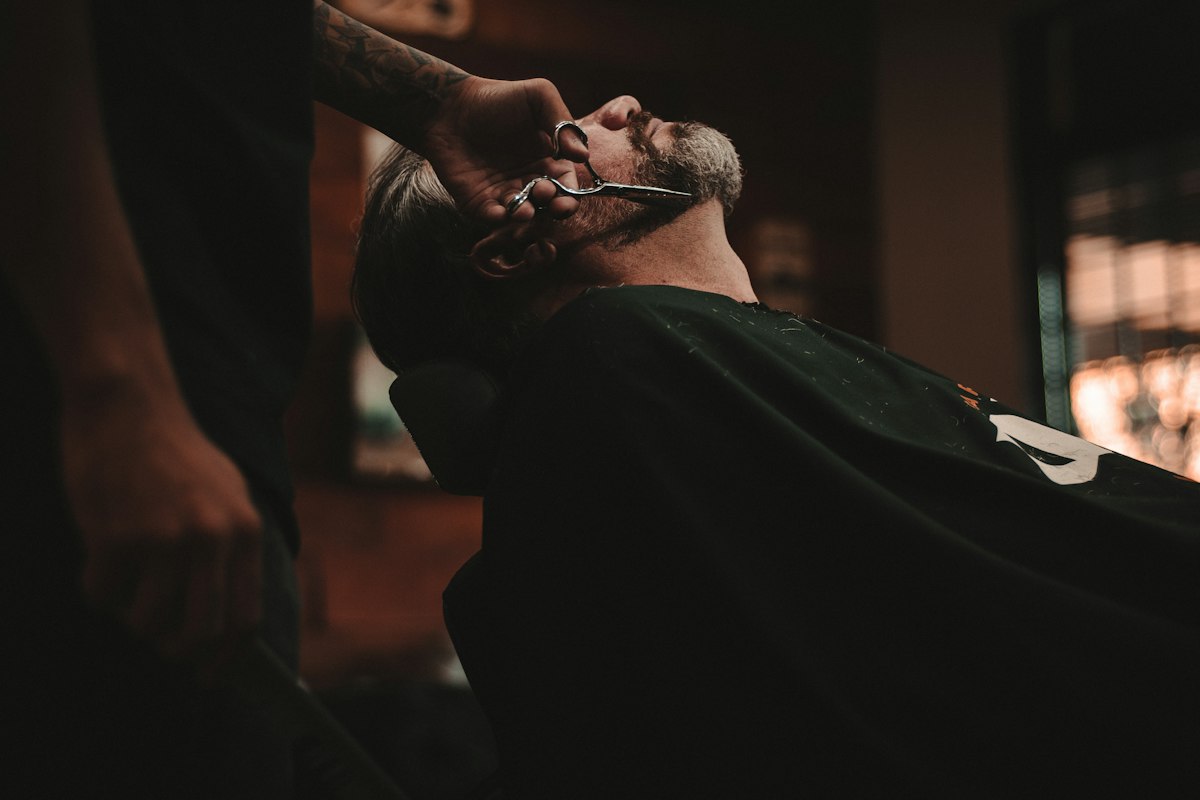
How to Do a Bald Fade: Getting to True Skin Without Lines
How to Do a Bald Fade: Getting to True Skin Without Lines
A bald fade and a skin fade are often used interchangeably, but there is a technical distinction. A skin fade reaches near-skin level using clippers on their closest setting. A bald fade reaches true skin with no stubble using a straight razor, a foil shaver, or a balding clipper after the clipper work. The bald fade is a step more refined and requires a razor finish to truly achieve.
Tools Required for a True Bald Fade
- Clippers with the lever fully open for the zero zone
- A balding clipper or clipper with a #000 balding blade for the closest possible clipper finish
- A straight razor or professional foil shaver for the true skin finish
- Shaving cream or gel for the razor application in the zero zone
The foil shaver is the safer option for the zero zone on clients who have not had a bald fade before or who have skin that shows irritation easily. A straight razor produces a closer and cleaner finish on skin that handles it well, but requires technique and client tolerance for razor work in the neckline and sideburn areas.
The Process
Step 1: Complete the standard fade first
Execute the full fade using clippers before introducing the razor. The skin zone from the clipper work will be close but not zero. Establish the entire blend from the lower zone up to the top length before touching the razor. Razor work is the final step, not an intermediate one.
Step 2: The clipper zero pass
With the lever fully open on the balding clipper or the regular clipper on its closest setting, go over the zero zone (the lowest inch to inch and a half of the sides and back) to get as close as the clipper will allow. After this pass, the skin zone should be very short but still have some stubble visible.
Step 3: Apply shaving medium to the zero zone
Apply a thin layer of shaving cream, gel, or shaving oil to the zero zone. This allows the razor to glide cleanly without dragging on the skin and reduces the risk of irritation. Work the medium in evenly across the zone before applying the razor.
Step 4: Straight razor or foil shaver pass
With the straight razor at the appropriate angle (approximately 20 to 30 degrees from the skin), work the zero zone in short downward strokes following the hair direction. The goal is to remove the remaining stubble completely so the skin is smooth to the touch. Wipe the blade after every 2 to 3 strokes to clear the hair and cream from the blade surface.
For the foil shaver: run it in circular motions across the zero zone. The foil shaver does not require cream and is more forgiving on sensitive skin, but does not produce as close a finish as a straight razor on coarser hair.
Step 5: Check the blend line
After the razor pass, the zone just above the skin area (where the blend begins) should be inspected carefully. The transition from true skin to the first guard length is the most visible line in a bald fade. Any remaining line or step at this transition is corrected with the clipper (lever slightly open, working the transition zone) before the service is complete.
Step 6: Aftercare product
Apply a soothing aftershave or post-shave balm to the razor-finished zone. The skin in this area has been directly shaved and benefits from the moisture and soothing properties of an aftercare product. This also signals attention to detail to the client and distinguishes the service from a standard clipper fade.
Frequently Asked Questions
What is the difference between a skin fade and a bald fade?
A skin fade gets very close to the skin using clippers on their closest setting but retains some stubble in the zero zone. A bald fade finishes the zero zone with a straight razor or foil shaver to reach true skin with no remaining stubble. The bald fade is smoother to the touch and holds the clean look longer before visible stubble regrowth appears. It is a more premium service and typically priced $5 to $15 higher than a standard skin fade.
Does a bald fade use a razor?
To achieve true bald (zero stubble), yes. The clipper on its closest setting leaves some stubble that is only removed by a razor (straight or foil). Some barbers refer to any very close clipper fade as a "bald fade" but technically the bald finish requires a razor pass to complete. Confirm with the client whether they want razor-finished true skin or close-clipper skin before beginning.
How long does a bald fade last?
The razor-finished skin zone starts showing new stubble within 1 to 3 days depending on the client's hair growth rate. The overall fade shape is maintained for 2 to 3 weeks before the blend line grows out visibly. Clients who want the skin zone to stay clean prefer to rebook every 2 weeks rather than the standard 3-week interval for a standard fade.
Is a bald fade bad for your hair?
No. The bald fade removes surface hair but does not affect the follicle below the skin. Hair will grow back at the same rate and thickness as before the shave. Clients with sensitive skin may experience mild razor bumps in the zero zone, particularly those with curly or coarse hair that is prone to ingrown hairs. A post-shave aftercare routine (apply an appropriate aftershave balm, avoid tight collars or friction on the area for 24 hours) reduces this risk significantly.
What is a razor fade?
A razor fade is the same concept as a bald fade: a clipper fade finished with a straight razor in the zero zone to achieve true skin. The terms are often used interchangeably. "Razor fade" emphasizes the tool used to achieve the skin finish; "bald fade" emphasizes the result. Both refer to a fade that reaches true skin in the lowest zone using a straight razor as part of the service.
Related Reading From CADMEN Barber Academy
- Bald Fade vs Skin Fade: Are They the Same Thing?
- How to Cut a Bald Fade Step by Step
- The Bald Fade: What It Is, Who It Suits, and How to Maintain It
- The Bald Fade: Technique and Common Mistakes
- Skin Fade vs Bald Fade: What Is the Difference?
- Bald Fade Explained: What It Is and How Tight You Want It
Want to learn to cut a bald fade yourself? CADMEN Barber Academy teaches cutting hands-on, with an educator beside you. See the barber academy in Mississauga or view in-person classes and send an enquiry.
Learn this fade step by step in our free Fade Tutorials playlist on YouTube.
