Edgar Cut: Technique, Variation, and Why the Hard Line at the Top Changes the Whole Look
Edgar Cut: Technique, Variation, and Why the Hard Line at the Top Changes the Whole Look
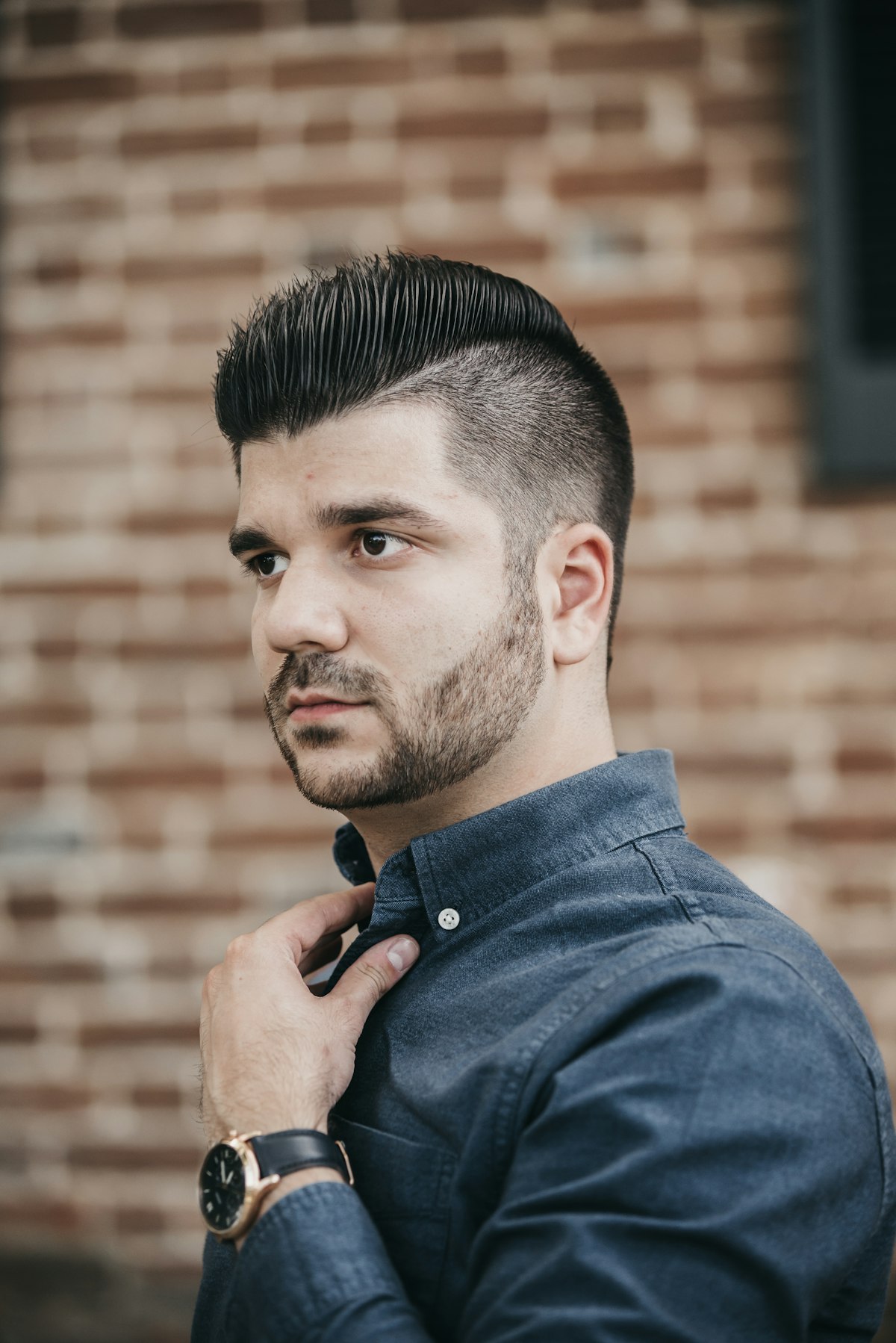
The Edgar cut is defined by a single distinguishing element: a hard, horizontal, blunt line at the top of the forehead. The fringe is cut straight across, flush to the forehead or just above it, creating an angular, geometric finish that contrasts with the close fade on the sides. Everything else in the cut is subordinate to that line. Get the line wrong and the cut looks unintentional; get the line right and the entire cut reads as a deliberate, executed style.
The Defining Element: The Hard Fringe Line
The Edgar cut's fringe is cut with scissors straight across the forehead at the client's desired height. This is not a tapered or layered fringe; it is a blunt, parallel-to-the-floor horizontal cut. The line should be perfectly level: use a comb as a guide to establish the horizontal, then cut along the comb's edge. Any angle or curve in the line undermines the geometric intent of the style. Check the line with the client's head level and from directly in front; any tilt in the head during the cut produces a line that is visually off when the client sits straight.
The fringe height varies: some clients want the fringe at or near the hairline (very short top coverage), some want it higher (more conservative, still has the hard line but with more length above). Confirm the target height with the client before cutting; this is irreversible once cut shorter than the client intended.
The Sides: Fade Integration
The Edgar cut is almost always paired with a skin fade or tight fade on the sides and back, creating maximum contrast between the geometric top and the close sides. The fade technique is standard: 0 or 0.5 at the base, blending upward through the guard progression to the top. The fade height (where the fade starts blending into the top length) determines how much of the upper sides are visible at the top length versus faded.
High skin fade with Edgar top: the sides are faded to skin from a high starting point, leaving a relatively narrow strip of full-length hair at the very top forming the Edgar fringe. This is the most dramatic version. Mid fade with Edgar top: more gradual, less extreme contrast. Both work; the choice depends on the client's desired intensity of the look.
Variations
Textured Edgar. The top is not perfectly flat but has texture added with product or cutting technique to create movement above the hard line. The fringe itself stays hard and horizontal; the interior of the top section has visible texture rather than lying flat.
Edgar with lineup. The hairline and temples are outlined sharply with a trimmer, enhancing the geometric precision of the overall cut. The combination of a hard fringe line and a sharp temple lineup creates a highly structured, intentional look.
Low Edgar. The fringe line sits very close to the hairline, creating a short, almost caesar-style top with the Edgar hard line. Works best on clients with thick, coarse hair that holds volume close to the head; thinner hair can look sparse with a very short Edgar top.
Face Shape Considerations
The hard horizontal fringe line of the Edgar cut emphasizes forehead width and creates a strong visual horizontal break at the top of the face. On clients with oblong or oval faces, this is typically flattering: the horizontal line creates the appearance of greater width at the top of the face. On clients with already-wide foreheads or very square faces, the hard fringe line can over-emphasize the width. In those cases, a slightly adjusted fringe height (a little higher, with some temple length left) softens the effect while preserving the core Edgar aesthetic.
Frequently Asked Questions
What hair type is best for an Edgar cut?
The Edgar cut works best on thick, straight to slightly wavy hair that holds a flat, structured fringe without significant styling product. Fine or thin hair can produce a fringe that lies flat but lacks the visual density that makes the Edgar line look intentional. Curly hair can be worn as an Edgar (the fringe line is cut through the curl pattern) but requires more product or moisture management to keep the line looking defined rather than frizzy. The style is most common in clients with dark, thick hair where the contrast between the fringe and the shaved sides is maximally visible.
How often does an Edgar cut need to be maintained?
The fringe line shows new growth within 2 to 3 weeks, and the fade on the sides shows growth within the same timeframe. Edgar cut clients who want to maintain the sharp geometric look typically book every 2 to 3 weeks. The fringe line in particular softens quickly as new growth blurs the hard edge; clients for whom the hard line is the defining feature of the style need more frequent maintenance than those who accept a slightly softer look between visits.
Want to learn to cut an Edgar cut yourself? CADMEN Barber Academy teaches cutting hands-on, with an educator beside you. See the barber academy in Mississauga or view in-person classes and send an enquiry.
Watch the free Barbering for Beginners playlist on YouTube.
