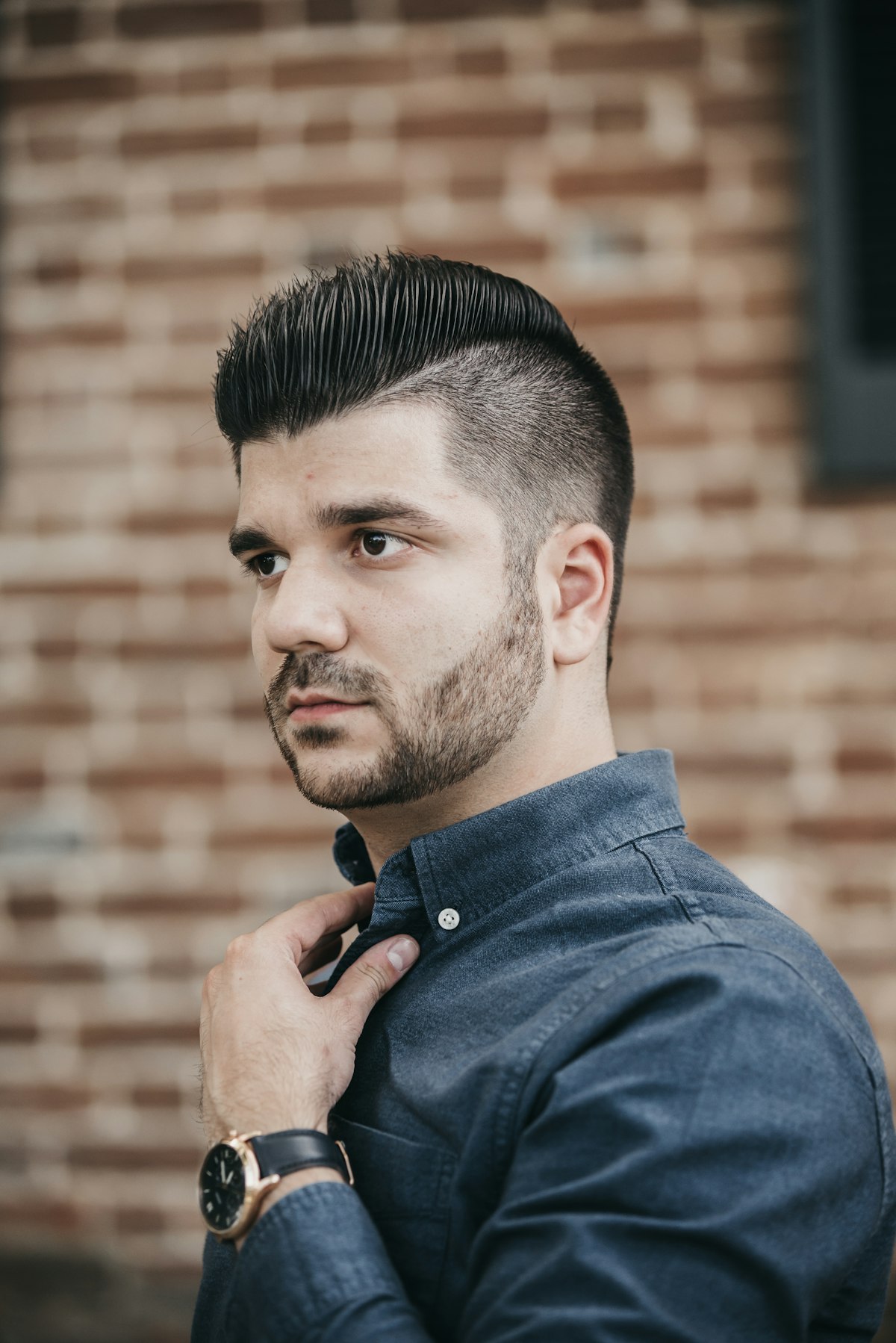
Taper vs Fade: The Difference and Which One to Ask For
Taper vs Fade: The Difference and Which One to Ask For
Taper and fade are two of the most commonly requested terms at barbershops. They are related but not the same. Many men use them interchangeably and end up with something different from what they wanted.
Here is exactly what each term means and how to use the right one when you sit in the chair.
What a Taper Is
A taper is a gradual reduction in hair length from the top of the sides toward the bottom. The hair gets progressively shorter as it moves down toward the neck and ear area, but it does not reach skin.
In a taper, there is always hair visible at the bottom. The shortest point is a very short but present length, not a shaved or skin-level finish.
Tapers are traditionally associated with conservative, professional haircuts. They are subtle. From a distance, a tapered cut looks like a standard, clean haircut rather than a heavily worked fade.
What a Fade Is
A fade starts from a taper foundation and takes it further. In a fade, the hair blends from the longer length on top down to skin level at some point on the sides and back.
The defining characteristic of a fade is that it reaches skin. A low fade hits skin at or near the ear line. A mid fade hits skin around the temples. A high fade hits skin near or above the temples, leaving only the top section of hair intact.
A skin fade is the version that goes down to zero, completely shaved at the base. A drop fade curves behind the ear before dropping to skin, creating a specific arc line in the back.
The Practical Difference
A taper is softer and more conservative. It suits professional environments where a very sharp or bold cut might draw unwanted attention. It also holds its shape longer as it grows because the transition is more gradual.
A fade is sharper and more contemporary. It requires more frequent visits to the barbershop to stay clean because the shaved base grows out quickly. A skin fade at the base can look overgrown within 10 to 14 days.
How to Ask Correctly
If you want a clean, professional cut that does not show significant skin on the sides: ask for a taper. Specify high, mid, or low taper to indicate where you want the gradual reduction to reach its shortest point.
If you want visible skin at the base of the sides and a sharp contrast: ask for a fade. Specify low, mid, or high, and whether you want a skin fade or a number one or two at the base.
Most barbers will understand a combination: a fade that blends to skin at the bottom, combined with a tapered blend toward the top of the cut. This hybrid is very common in modern barbershop work.
Which One to Choose
Ask yourself one question: do you want visible skin at the sides? If yes, ask for a fade. If no, ask for a taper.
A second question: how often can you come back to maintain the cut? Fades need more frequent maintenance. If you visit the barbershop every 4 to 6 weeks, a taper will still look clean at that interval. A skin fade will have grown out noticeably by week three.
Frequently Asked Questions
Can I get a taper and a fade in the same cut?
Yes. This is common. The sides are faded to skin at the base and blended upward with a taper-style gradual blend toward the top of the sides. The term "fade" typically encompasses this combination in modern barbershop language.
Does a taper cost less than a fade?
Pricing depends on the shop, not the specific technique. Some shops charge one price for any haircut. Others charge based on length of service or complexity. A skin fade with detailed blending may cost slightly more at some shops because of the precision required. Ask before booking if price is a consideration.
Which is better for a job interview?
Either can be appropriate depending on the industry. A taper reads as more conservative and professional in traditional industries. A fade is widely accepted in most modern workplaces. A clean, fresh version of either reads better than an overgrown version of either.
Does my hair need to be a certain length for a fade?
No minimum length is required on the sides for a fade. The barber starts where your hair is and fades from there. The top section needs enough length to establish the gradient, but even very short tops can be faded effectively.
What is a burst fade?
A burst fade curves around the ear in a semi-circular shape rather than the standard straight or drop arc. It is a variation within the fade category. It suits specific styles like mohawks and curly top cuts where the arc adds visual interest around the ear.
Related Reading From CADMEN Barber Academy
- The Taper Fade Combination: What It Is and How to Request It
- Fade vs. Taper: What Is the Difference?
- The Skin Taper Fade: What Makes It Different and How It Is Cut
- Taper vs. Fade: What Is the Difference?
- Taper Fade vs. Drop Fade: What the Difference Actually Is
- Taper Fade vs. Skin Fade: What the Actual Difference Is
Want to learn to cut a taper or a fade yourself? CADMEN Barber Academy teaches cutting hands-on, with an educator beside you. See the barber academy in Mississauga or view in-person classes and send an enquiry.
Learn this fade step by step in our free Fade Tutorials playlist on YouTube.
