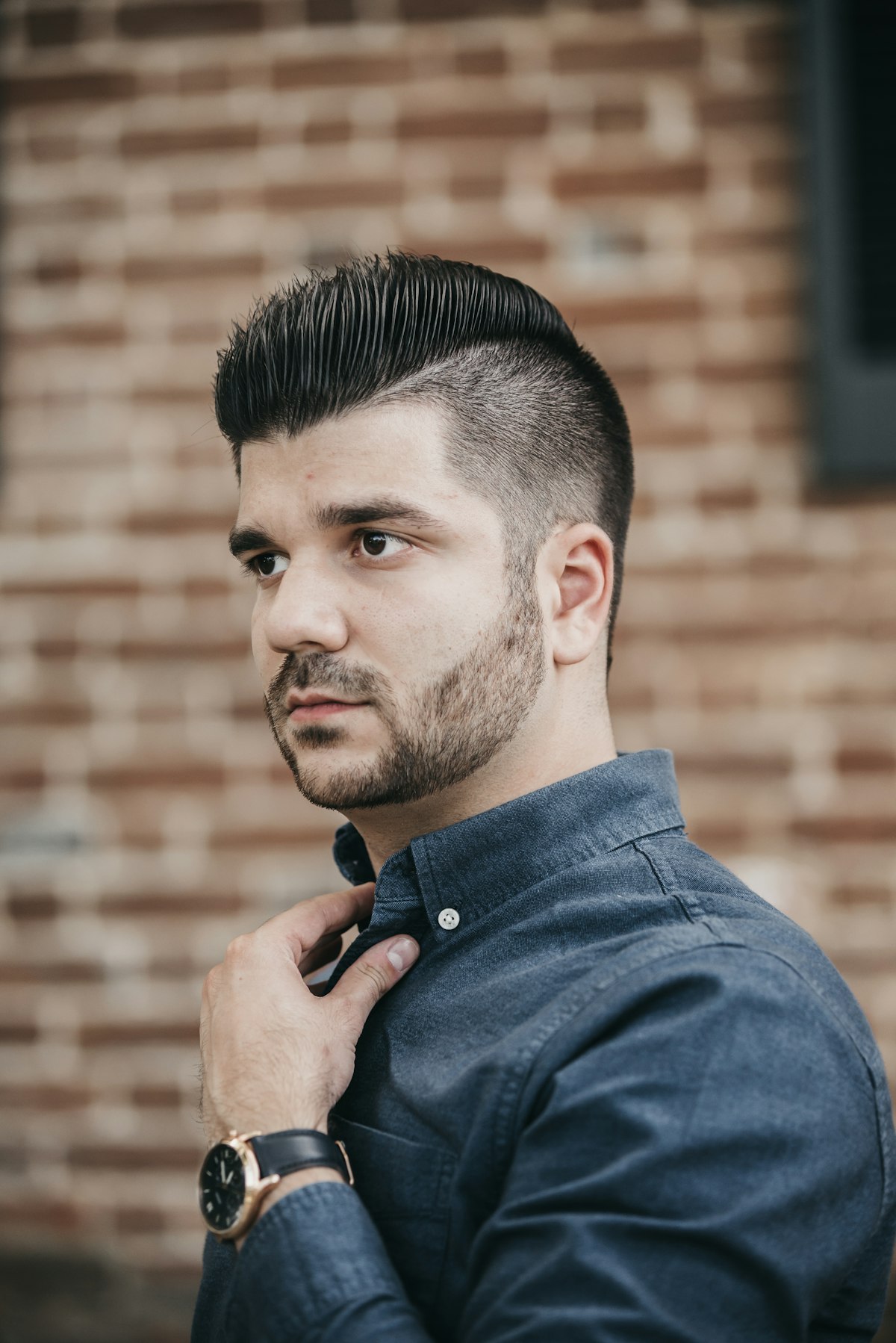
What Is a Skin Fade: How It Works and Who Should Get One
What Is a Skin Fade: How It Works and Who Should Get One
The skin fade is one of the most technically demanding cuts in barbering and one of the most requested. Understanding what it is and how it is executed helps you communicate clearly with your barber and set accurate expectations for maintenance.
What Defines a Skin Fade
A skin fade takes the sides and back of the head down to bare skin at the lowest point and gradually blends the hair upward through progressively longer lengths (often guard 1, guard 1.5, guard 2, and so on) until it transitions into the top section. The defining feature is the starting point: the skin. Unlike a taper, which fades to a very short length but not necessarily to skin, or a low fade, which keeps the shortest point above the natural hairline, the skin fade takes the line of shortest hair to complete skin exposure. The blend from skin to the top section must be seamless with no visible lines or harsh transitions.
Skin Fade Variations
Low skin fade: the skin starts just above the ear and follows the natural hairline. The fade zone is narrow. This is the most conservative skin fade option. Mid skin fade: the skin starts around the temple level and the fade zone is wider. More visual impact than a low skin fade. High skin fade: the skin extends up to near the top of the sides, with the fade blending from skin all the way to the top section. Maximum contrast. Bald fade: another term for skin fade, used interchangeably. Drop fade: the fade line drops lower behind the ear than at the temple, following a curved shape rather than a straight horizontal line. This is often used for haircuts where the overall style benefits from a more dramatic curved silhouette.
Maintenance Requirements
A skin fade requires more frequent maintenance than other fade types because skin-to-short-hair contrast is very visible and degrades quickly as the hair grows. Most men with skin fades visit a barber every 2 to 3 weeks to maintain the clean line. At 4 weeks, a skin fade is typically visibly grown out enough to lose its impact. If you cannot commit to 2 to 3 week visits, a low taper or a mid fade (not to skin) will hold its appearance significantly longer and may be more practical.
Frequently Asked Questions
Does a skin fade work on all hair types?
The skin fade technique works on all hair types, but the appearance varies. Straight hair shows the cleanest, sharpest contrast between the skin and the beginning of the fade. Curly and coily hair at very short lengths can sometimes show a slightly rougher texture at the transition point, which some barbers address with straight razor work at the lowest line. The barber's technique is more variable than the hair type; an experienced barber produces clean skin fades across all textures. If you have very coily hair and are concerned about the result, look at the barber's portfolio for examples with your texture before booking.
Can I ask for a skin fade on any haircut?
Yes. The skin fade is a sides and back finish, not a specific top style. It can be combined with almost any top: a crop, a buzz, a pompadour, a textured quiff, a fringe, or a longer styling section. The question to consider is whether the contrast of a skin fade suits the overall style you want. High-contrast skin fades with a styled top produce the most contemporary, barbershop-forward appearance. If you want a more understated cut that works in conservative professional environments without standing out, a mid or low taper to a short length (not skin) may be more appropriate than a full skin fade.
Want to learn to cut a skin fade yourself? CADMEN Barber Academy teaches cutting hands-on, with an educator beside you. See the barber academy in Mississauga or view in-person classes and send an enquiry.
Learn this fade step by step in our free Fade Tutorials playlist on YouTube.
