Scalp Health for Men: What Causes Issues and How to Fix Them
Scalp Health for Men: What Causes Issues and How to Fix Them
Most men pay more attention to their hair than their scalp. That is backwards. The scalp is where the hair grows from. Ignoring it leads to dandruff, itching, inflammation, and eventually to hair that grows in weaker or does not grow at all.
The good news is that most scalp issues are fixable with the right approach. The challenge is that the market is full of products making broad claims. Understanding what actually causes scalp problems makes it easier to target the real issue.
The Most Common Scalp Issues in Men
There are four scalp conditions that affect men most frequently. They look similar on the surface but have different causes and require different fixes.
Dandruff
Dandruff produces white or yellowish flakes that appear on the scalp and fall onto clothing. It is caused by an overgrowth of a yeast-like fungus called Malassezia, which is naturally present on everyone's scalp. When it grows out of control, it accelerates skin cell turnover, which results in visible flaking.
Dandruff is not caused by being dirty. Washing your hair more often does not fix it if you are not addressing the fungal overgrowth.
Dry Scalp
Dry scalp looks similar to dandruff but has a different cause. A dry scalp lacks sufficient oil and moisture. The flakes tend to be smaller and whiter than dandruff flakes and the scalp feels tight or itchy.
Washing hair too frequently, using harsh shampoos, living in a dry climate, and washing with very hot water all contribute to dry scalp. Cold weather in winter is a common trigger.
Seborrheic Dermatitis
This is a more severe version of dandruff. The flakes are larger, more oily, and sometimes yellowish. The scalp may appear red and irritated. Seborrheic dermatitis can also affect the face, particularly around the eyebrows, nose, and ears.
It tends to flare in response to stress, cold weather, and changes in hormone levels. It is a chronic condition that requires consistent management rather than a one-time fix.
Scalp Psoriasis
Scalp psoriasis produces thick, scaly patches that are often silvery-white and may extend beyond the hairline. The scalp feels very dry and may bleed slightly if the scales are scratched. This is an autoimmune condition and is best managed with input from a dermatologist.
How to Tell the Difference Between Dandruff and Dry Scalp
The practical test is simple. Apply a small amount of a moisturizing scalp oil or light conditioner directly to your scalp and leave it for a few minutes before washing.
If the flaking and itching temporarily improve, you likely have dry scalp. If there is no improvement, the issue is more likely fungal, which means you need an anti-fungal shampoo rather than more moisture.
Overmoisturizing a fungal scalp can actually make dandruff worse because Malassezia feeds on certain fats. Applying heavy oils to a scalp with active dandruff can accelerate the problem.
What Actually Works for Dandruff
Active ingredients matter. Most standard shampoos do not contain the compounds needed to address fungal overgrowth. Look for shampoos that contain one of the following:
- Zinc pyrithione: antibacterial and antifungal, found in most medicated dandruff shampoos
- Ketoconazole: a stronger antifungal available in both prescription and over-the-counter concentrations
- Selenium sulfide: slows cell turnover and has antifungal properties
- Salicylic acid: helps break down and remove scale buildup
- Coal tar: slows skin cell production, one of the oldest effective treatments
Rotate between two different active ingredients if you use medicated shampoo long-term. Malassezia can become less responsive to a single ingredient over time. Alternating helps maintain effectiveness.
Leave medicated shampoo on the scalp for at least two to three minutes before rinsing. Most men rinse it out immediately, which reduces effectiveness significantly.
What Works for Dry Scalp
Dry scalp responds well to moisture and gentler washing practices. Practical steps include:
- Reduce wash frequency if you are washing daily. Every other day is sufficient for most men.
- Use lukewarm water instead of hot. Hot water strips natural oils.
- Switch to a sulfate-free shampoo. Sulfates clean effectively but can be too harsh for men with naturally dry scalps.
- Apply a light scalp oil like jojoba or argan directly to the scalp before washing. Jojoba oil is structurally similar to sebum, which makes it well-tolerated by most scalp types.
- Increase water intake. Severe dehydration shows up in skin and scalp health.
The Role of Diet in Scalp Health
Diet affects scalp health more than most men realize. Omega-3 fatty acids support the skin barrier and reduce inflammation throughout the body, including the scalp. Sources include fatty fish like salmon, mackerel, and sardines, as well as flaxseed and walnuts.
Zinc deficiency is directly linked to dandruff and scalp problems. Zinc is found in red meat, shellfish, pumpkin seeds, and legumes. If your diet is low in these foods, a zinc supplement may be worth considering.
Excessive sugar and refined carbohydrates can fuel Malassezia growth. This does not mean eliminating these foods, but men with persistent dandruff who already use medicated shampoo may notice improvement by reducing processed carbohydrates.
What Your Barber Can and Cannot Do
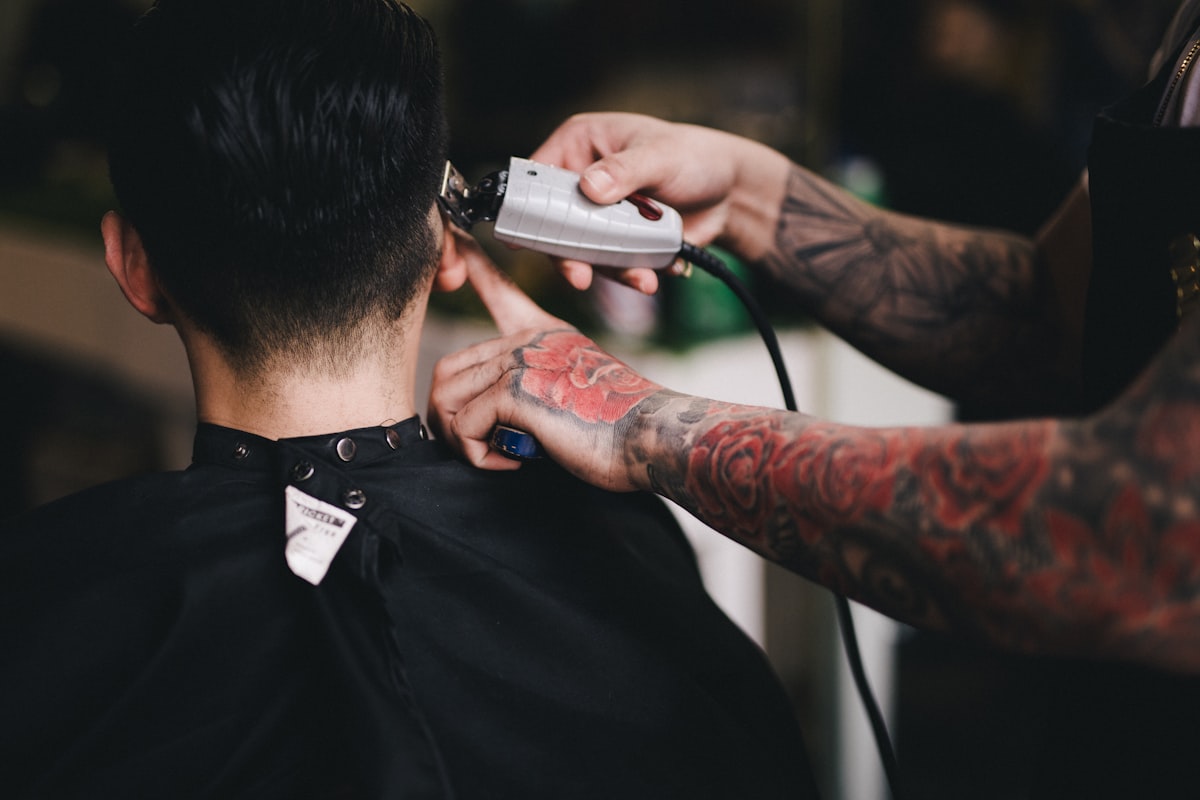
A skilled barber can identify scalp conditions they see regularly. Many will mention visible flaking, irritation, or unusual dryness during a cut. This is useful feedback, not a diagnosis.
Barbers apply products to the scalp during and after cuts. If you have an active scalp condition, mention it before the service so your barber uses appropriate products. Some grooming products contain ingredients that irritate sensitive or inflamed scalps.
For persistent, severe, or spreading scalp conditions, see a dermatologist. Over-the-counter treatments handle the majority of common scalp issues, but chronic or worsening conditions need medical evaluation.
How Often to Clean Your Scalp Tools
Combs, brushes, and hats trap oils, product residue, and fungal spores. Washing combs and brushes weekly with soap and warm water removes buildup. Rotating hats and washing them regularly matters particularly for men with active dandruff, as scalp flora can transfer to fabrics and back to the scalp.
Frequently Asked Questions
Is dandruff contagious?
No. Dandruff is caused by an imbalance of naturally occurring fungi on your own scalp. It cannot be transferred to another person through contact.
Can stress cause scalp problems?
Yes. Stress elevates cortisol, which affects the immune system's ability to regulate fungal growth and can trigger seborrheic dermatitis flares. Men who notice their scalp worsening during high-stress periods often see improvement when stress is managed.
Does cutting hair short help with scalp issues?
Shorter hair makes it easier to apply topical treatments directly to the scalp and to rinse them out thoroughly. It does not resolve the underlying condition on its own, but it can make treatment more effective and reduce the buildup of product and oils in the hair.
Why does my scalp itch after a haircut?
Post-haircut itch often comes from small hair clippings on the scalp, product sensitivity, or mild irritation from clipper heat. Rinsing the scalp after a cut and applying a soothing product reduces this. If irritation persists for more than a day or two, a product ingredient may be the cause.
Can wearing hats cause dandruff?
Hats do not cause dandruff, but wearing unwashed hats frequently creates a warm, moist environment that can encourage Malassezia overgrowth. Keeping hats clean and not wearing the same hat daily reduces this risk.
Related Reading From CADMEN Barber Academy
- Men's Scalp Health: What Affects It and How to Keep It in Good Condition
- Scalp Health for Men: What Barbers See and What to Do About It
- Men's Scalp Problems: What Barbers Commonly See and What to Do About Them
- Barber Wrist and Hand Health: Preventing and Managing Repetitive Strain Injuries
- Dry Scalp in Men: What Causes It and What Helps
- Men's Scalp Care: What to Know and What to Do
