How to Increase Product Sales in Your Barbershop
How to Increase Product Sales in Your Barbershop
Retail product sales are the highest-margin revenue category in a barbershop. Service revenue runs at 50% to 60% gross margin after paying the barber. Product sales run at 50% to 70% gross margin with no labor cost attached. Every dollar of product revenue is more valuable than a dollar of service revenue.
Most barbershops leave significant product revenue uncaptured, not because clients do not want products, but because the recommendation system is not built into the service.
The Product Recommendation Conversation
Clients do not buy products they are not shown. The recommendation needs to happen during the service, not as an afterthought at checkout.
The structure that works:
- During the cut, identify a problem the product solves. "Your hair is pretty dry at the ends. Do you use any product at home?" This is not a sales opener. It is a genuine observation that creates a natural conversation.
- Show the product while using it. Apply the finishing product and show the client the container. "This is what I'm using to finish you up. It's a light hold, good for your texture." Seeing the product used on their hair is the most effective demonstration.
- Name the benefit specifically. "This will hold the style for about 6 to 8 hours. If you're using it daily, one jar lasts about 3 months." Clients want to know what it does and how long it lasts, not ingredient lists.
- Make the offer directly. "I'll grab one for you at the desk if you want. It's $24." A direct ask closes more sales than leaving the product on the shelf and hoping the client picks it up.
The conversation should feel like a barber sharing what works, not a barber trying to make a sale. Clients can tell the difference. The key is genuine identification of a real need, not a scripted pitch regardless of the client's hair.
What to Stock
Most barbershop product lines should cover five categories:
- Styling hold (light to medium): Pomade, clay, or cream. The most commonly purchased category for barbershop clients. Offer two to three options across the hold spectrum.
- Styling hold (high): Gel or firm wax. Smaller market but worth stocking for clients who want lasting hold.
- Beard care: Beard oil, beard balm, beard wash. Growing category. Clients who receive beard services are natural buyers of beard care products. A barber who just did a hot towel shave and beard shape has the perfect opportunity to recommend beard oil.
- Scalp care: Shampoo and conditioner specifically for scalp health, dandruff, or dryness. These are replenished frequently, which creates recurring product revenue.
- Aftershave and edge balm: For clients who get line-ups and shaves regularly. Keeping the skin healthy between visits is a real client need.
Stock two to three products per category. More than that creates decision fatigue for both barbers making recommendations and clients choosing. Fewer than two options means you cannot match the right product to different hair types.
Pricing and Display
Price products to reflect where you sit in the market. Mid-tier barbershops typically stock products at $18 to $35 per unit. Premium shops can stock at $25 to $55. Price points below $15 devalue the recommendation and reduce margin without significantly increasing volume.
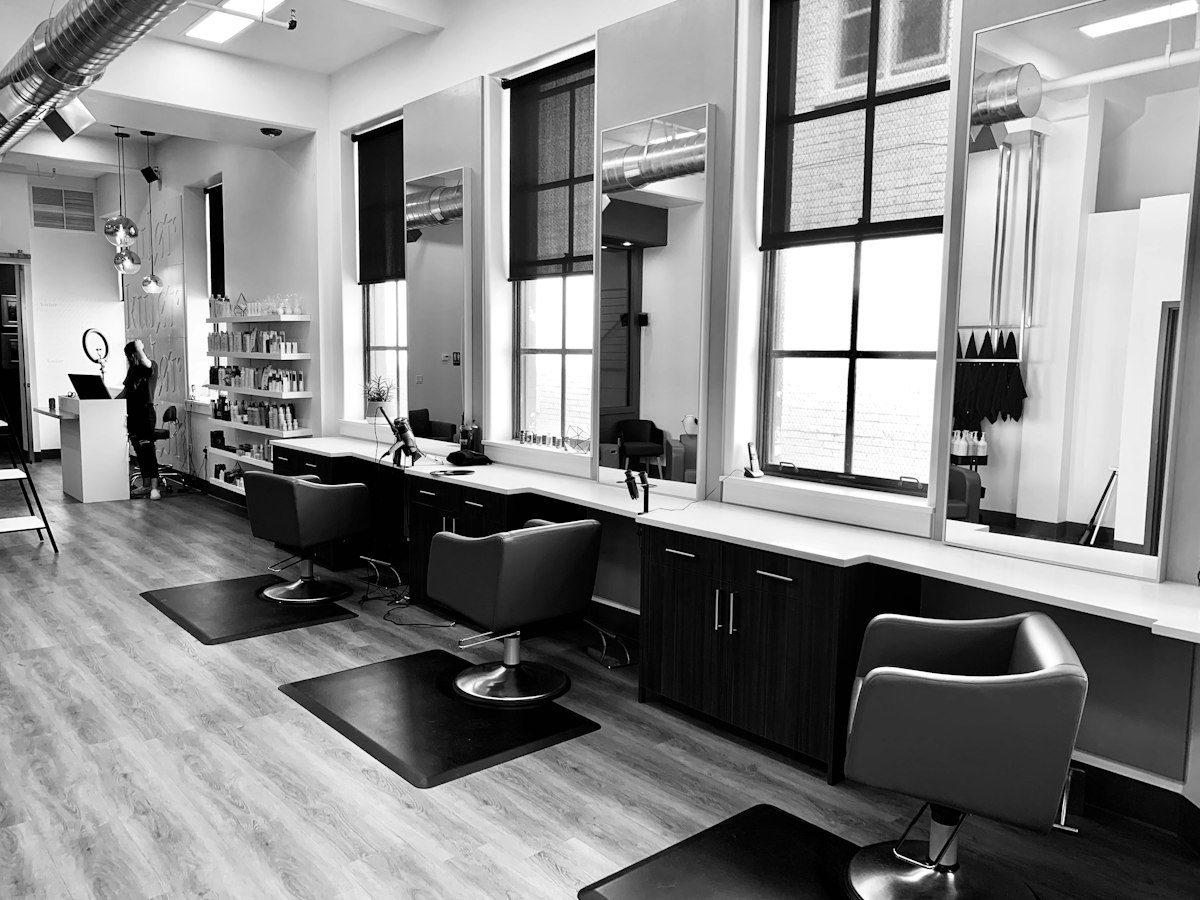
Display products where clients can see them: on the shelf behind the barber station, not in a cabinet under the counter. Products that are visible are bought. Products that are invisible are not. A clean, organized display of 15 to 25 products on open shelving converts better than a hidden stock room that requires asking.
Tracking Retail Performance
Set a monthly product sales target per chair. A realistic starting target for a shop that has not actively tracked product sales: $300 per chair per month. Once that is hit consistently, increase to $500. Strong product-focused barbershops hit $800 to $1,200 per chair per month in retail revenue.
Track by barber, not just by shop. Different barbers will have different conversion rates. The barber who consistently sells 3 to 4 products per day compared to the barber who sells 0 to 1 is not just a performance difference; it is usually a training and conversation-skill difference. The top performer's approach can be learned and taught.
Product Sales as a System in Your Business Coaching
Retail product strategy, pricing, display, and the recommendation conversation are part of CADMEN's online barbershop business coaching curriculum. Building a product system that generates $400 to $800 per chair per month adds $24,000 to $57,600 in annual revenue to a 5-chair shop at margins that are significantly better than service revenue.
The coaching program is $4,000 USD. Inquiry at academy.cadmen.ca.
Frequently Asked Questions
How much do barbershops make on product sales?
Retail products in a barbershop typically run at 50% to 70% gross margin. A product retailing at $25 usually costs the shop $7 to $12 wholesale. Product sales have no labor cost attached, making them the highest-margin revenue category in a barbershop.
What products should a barbershop sell?
Focus on five categories: styling hold (light to medium), styling hold (high), beard care (oil, balm, wash), scalp care (shampoo, conditioner), and aftershave or edge care. Stock two to three options per category. More than 25 products total creates decision fatigue.
How do I get barbers to recommend products to clients?
Build the recommendation into the service flow, not as a separate sales step. Train barbers to identify a genuine problem during the cut, show the product while applying it as part of the finish, name the specific benefit, and make a direct offer. Track product sales per barber and review monthly. Barbers who see their performance tracked alongside their peers improve.
Where should retail products be displayed in a barbershop?
On open shelving visible from the client's chair, not in a cabinet or behind closed storage. Products that clients can see while sitting in the chair sell at higher rates. A clean, organized display of 15 to 25 products on open shelving is the standard for product-focused barbershops.
How much should a barbershop retail product cost?
Most mid-tier barbershops stock products at $18 to $35 per unit. Products priced under $15 reduce margin without meaningfully increasing volume. Products priced above $50 require stronger brand reputation to sell at volume. Match pricing to your shop's positioning and clientele.
Related Reading From CADMEN Barber Academy
- How to Sell Retail Products in Your Barbershop
- Men's Hair Products: What They Do, When to Use Them, and How to Recommend the Right One
- Barbershop Product Retail: How to Add Product Sales Without Becoming a Pushy Salesperson
- Barbershop Retail Products: How to Build a Product Revenue Line That Actually Sells
- Men's Hair Products: Which One to Use and When
- How to Choose the Right Hair Product for Your Hair Type
