Opening a Barbershop: The Full Checklist of What You Need Before the First Client Walks In
Opening a Barbershop: The Full Checklist of What You Need Before the First Client Walks In
Most barbershop openings run over budget, over timeline, or both. The owners who open on schedule and within budget are not necessarily better capitalized; they are better prepared. The gap between the two is usually not the obvious expenses (chairs, rent, product) but the items that surface mid-build when it is most expensive to solve them. This checklist covers both categories.
Legal and Business Setup
- Business registration: Register provincially and obtain a business number from CRA. If operating as a corporation, you need articles of incorporation and a corporate bank account. Sole proprietorships require a business registration and a separate bank account as a minimum.
- HST/GST registration: Required if revenue is expected to exceed $30,000 in a calendar year. Set up before opening; a busy first month at a new shop can hit that threshold quickly.
- Employer Health Tax (Ontario) and payroll registration: Required if you are hiring barbers as employees. If using booth rental, this is less immediately relevant but confirm the classification with your accountant; CRA's classification of worker vs. contractor has specific criteria that barbershop booth renters often fall into grey areas on.
- Business license: Required in most municipalities. Apply through your city or regional government. Some municipalities have additional requirements for personal services businesses.
- Health inspection: Ontario barbershops are inspected by the local public health unit under personal services regulations. Contact your local health unit before opening to understand pre-opening inspection requirements.
Space and Build-Out
- Signed lease with confirmed tenant improvement allowance (TIA) and permitted use clause covering personal services.
- Contractor quotes obtained before lease signing, not after.
- Plumbing confirmed adequate for shampoo bowls if applicable.
- Electrical load confirmed for multiple clipper stations, lighting, and HVAC.
- Building permits pulled if required by municipality for scope of renovation.
- Signage permit confirmed (many municipalities require a permit for exterior signage).
Insurance
- Commercial general liability insurance: minimum $2,000,000 coverage. Typically required by the landlord as a lease condition.
- Contents insurance: covers equipment, product inventory, and fixtures.
- Professional liability (errors and omissions): covers claims resulting from services performed. Required by some landlords and recommended regardless.
Equipment and Supplies (Opening Day)
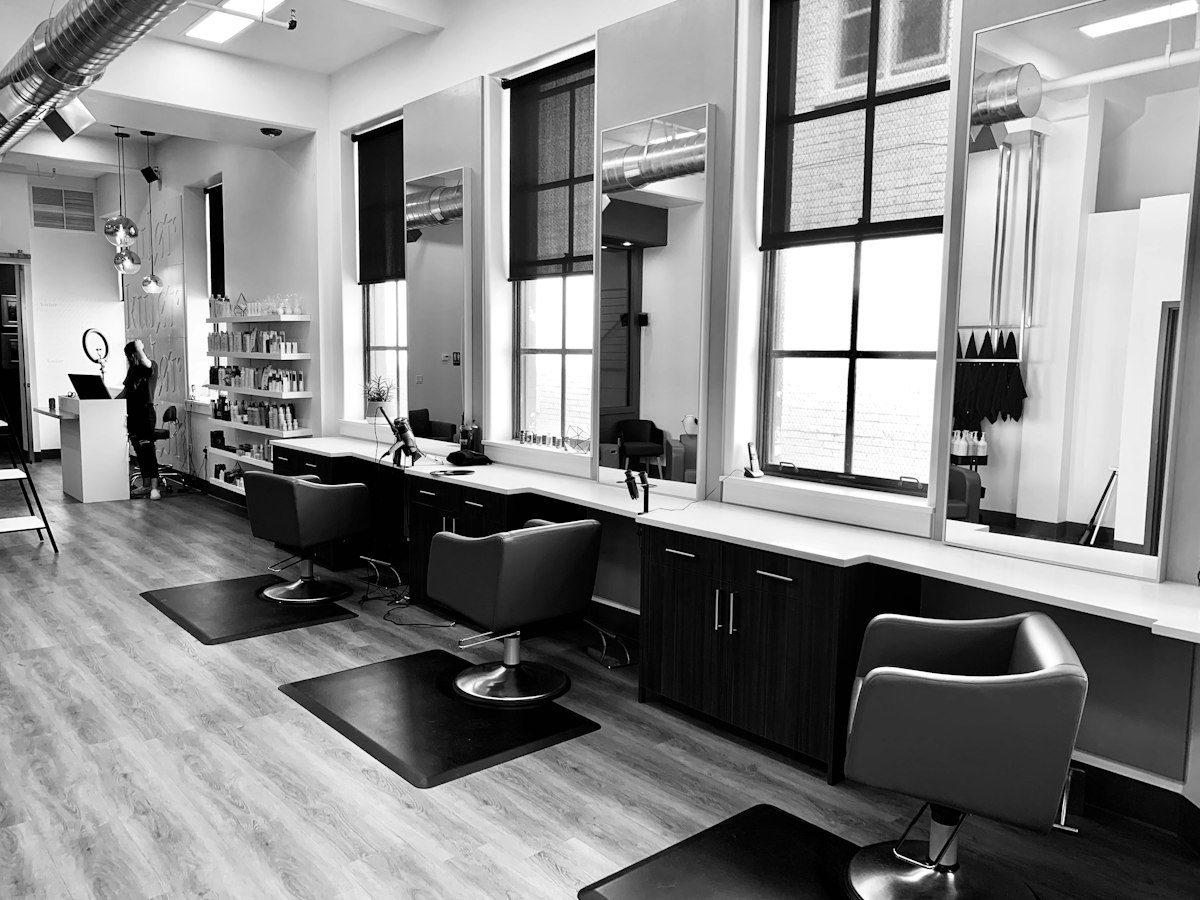
- Barber chairs, mirrors, and stations installed and operational.
- Each station stocked with two clipper sets (running one while cleaning the other), a trimmer, guards, and scissors.
- Disinfection setup at each station: approved hospital-grade disinfectant, blade wash, spray bottle, and storage jar.
- Reception area operational: POS system, booking system live, retail product on display.
- Capes, neck strips, aprons, and towels stocked in sufficient quantity for day one volume.
Frequently Asked Questions
How long does it take to open a barbershop in Canada?
From signed lease to opening day, 8 to 16 weeks is typical for a standard commercial space requiring moderate renovation. A raw space requiring significant build-out can take 4 to 6 months or longer. The most common delay is permit approval and contractor availability. Assuming you can open 6 weeks after signing is unrealistic in most Canadian markets; building in a 12-week window and potentially opening earlier is safer planning.
