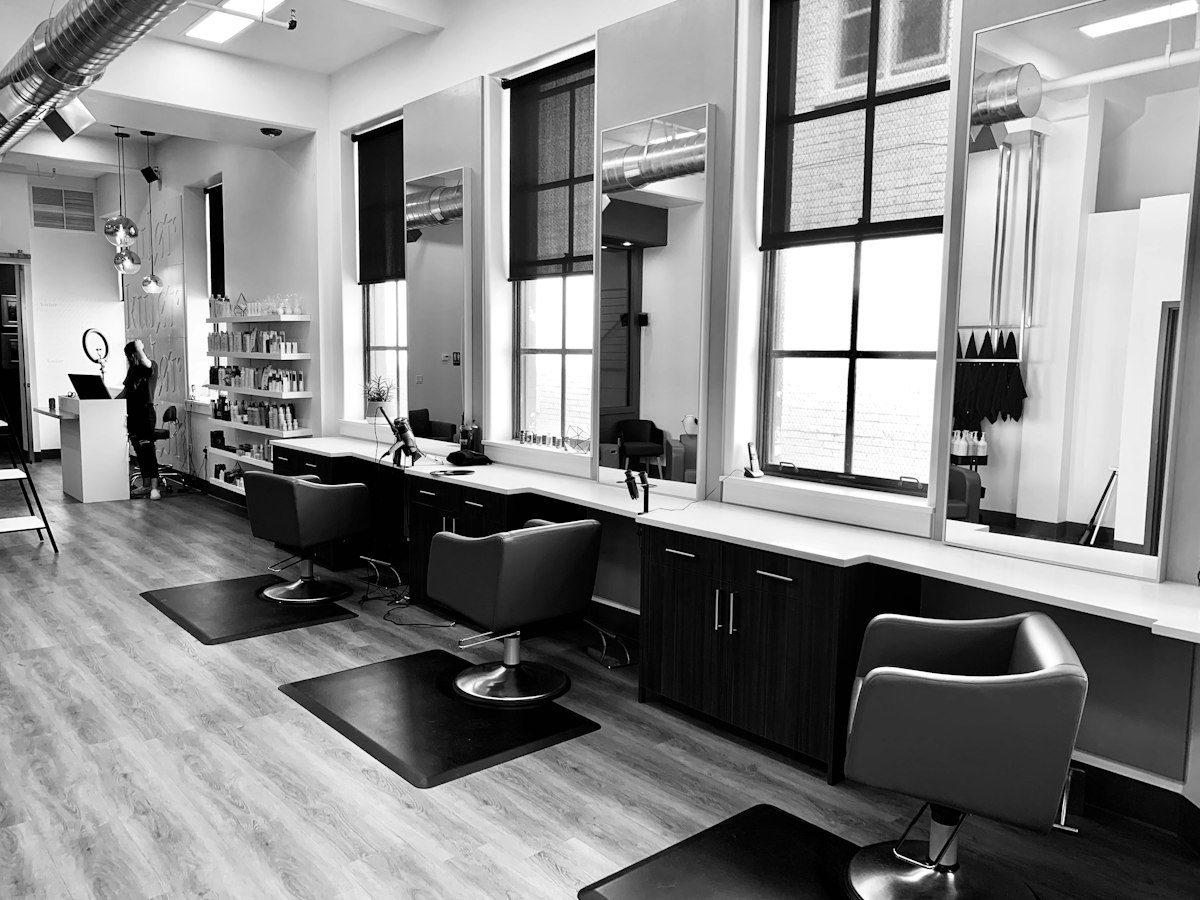
Barbershop Insurance in Canada: What Coverage a Shop Owner Actually Needs
Barbershop Insurance in Canada: What Coverage a Shop Owner Actually Needs
Most new barbershop owners in Canada underinsure their businesses. They purchase the minimum coverage required to satisfy the lease and leave significant gaps that create real exposure. Understanding what each type of coverage does and why each matters is the foundation for making informed decisions about your specific situation.
This overview covers the main coverage categories. It is not legal or insurance advice; speak with a licensed commercial insurance broker in your province for recommendations specific to your shop.
Commercial General Liability (CGL)
CGL is the foundational coverage for any commercial business and is almost always required by commercial landlords as a condition of the lease. It covers third-party bodily injury and property damage claims arising from your business operations.
For a barbershop: a client who slips on a wet floor and is injured, a client who has an allergic reaction to a product used in a service, or damage to a client's clothing from a product spill. These are the scenarios CGL is designed to address. Minimum coverage of $2 million per occurrence is standard; many landlords require $5 million. The incremental cost between $2M and $5M limits is typically small relative to the exposure difference.
Professional Liability (Errors and Omissions)
CGL covers accidents; professional liability covers claims arising from the professional service itself. A client who claims a haircut resulted in a scalp injury, a chemical service that caused hair loss, or a straight razor shave that caused infection traces back to the professional service rather than a general premises hazard. In provinces where aesthetician and personal care services can generate professional liability claims, this coverage is worth discussing with your broker.
Commercial Property Insurance
Covers the physical contents of the shop: barber chairs, mirrors, equipment, inventory, and any leasehold improvements that are classified as business property. Standard commercial property coverage has exclusions; verify whether leasehold improvements are covered and whether the coverage is replacement cost or actual cash value (actual cash value depreciates the payout; replacement cost is significantly more useful).
Business Interruption Insurance
Covers loss of revenue if the business is forced to close due to a covered event (fire, flood, significant property damage). A barbershop that cannot operate for 3 months due to water damage from the unit above has ongoing fixed costs (rent, utilities, insurance premiums, loan payments) with no revenue. Business interruption coverage bridges that gap. It is typically offered as an add-on to commercial property coverage rather than a standalone policy.
Workers Compensation (WSIB in Ontario)
In Ontario, the Workplace Safety and Insurance Board (WSIB) provides workplace injury coverage. Coverage requirements depend on the employment structure: employers with employees must register with WSIB; independent contractors and chair renters have different registration requirements. Check the WSIB website or speak with a professional to confirm your specific obligations; the penalties for non-compliance are significant.
Frequently Asked Questions
How much does barbershop insurance cost in Canada?
A basic commercial package for a small barbershop (CGL plus commercial property) typically runs $1,500 to $3,500 per year in Ontario. Costs vary significantly by location, coverage limits, number of employees, prior claims history, and the specific broker and insurer. Get quotes from at least 3 insurers through a commercial broker who works with personal service businesses. Do not compare quotes based on premium alone; compare the coverage terms, limits, and exclusions.
Does a self-employed barber need their own insurance?
Yes, if they are working as an independent contractor or chair renter rather than as an employee. A self-employed barber should carry their own CGL and potentially professional liability coverage, because the shop's insurance policy covers the shop's operations and may not extend to independent contractors operating within the space. Confirm the coverage scope with the shop owner and your own broker before assuming you are covered under the shop's policy.
What happens if a client is injured in a barbershop?
The shop's CGL coverage would respond to a claim for bodily injury on the premises if the injury is the result of the shop's operations or conditions. The insurer investigates the claim, determines coverage applicability, and handles or disputes the claim within the policy terms. This is why the policy limits and conditions matter: a $1M limit on a serious injury claim may not be sufficient. Incidents should be reported to your insurer promptly; delayed reporting can affect coverage.
Related Reading From CADMEN Barber Academy
- Barber Career Earnings in Canada: What Barbers Make at Each Stage and How to Move Up
- Barber Chair Cost in Canada: What to Budget and What to Avoid
- Barber Earnings in Canada: What Barbers Actually Make and What Drives the Range
- Barber Tipping Etiquette in Canada: How Much to Tip and When
- How Tips Work for Barbers in Canada: What Clients Pay, How It Adds Up, and Tax
- Barbershop Franchise in Canada: What the Model Looks Like and What Buyers Need to Know
