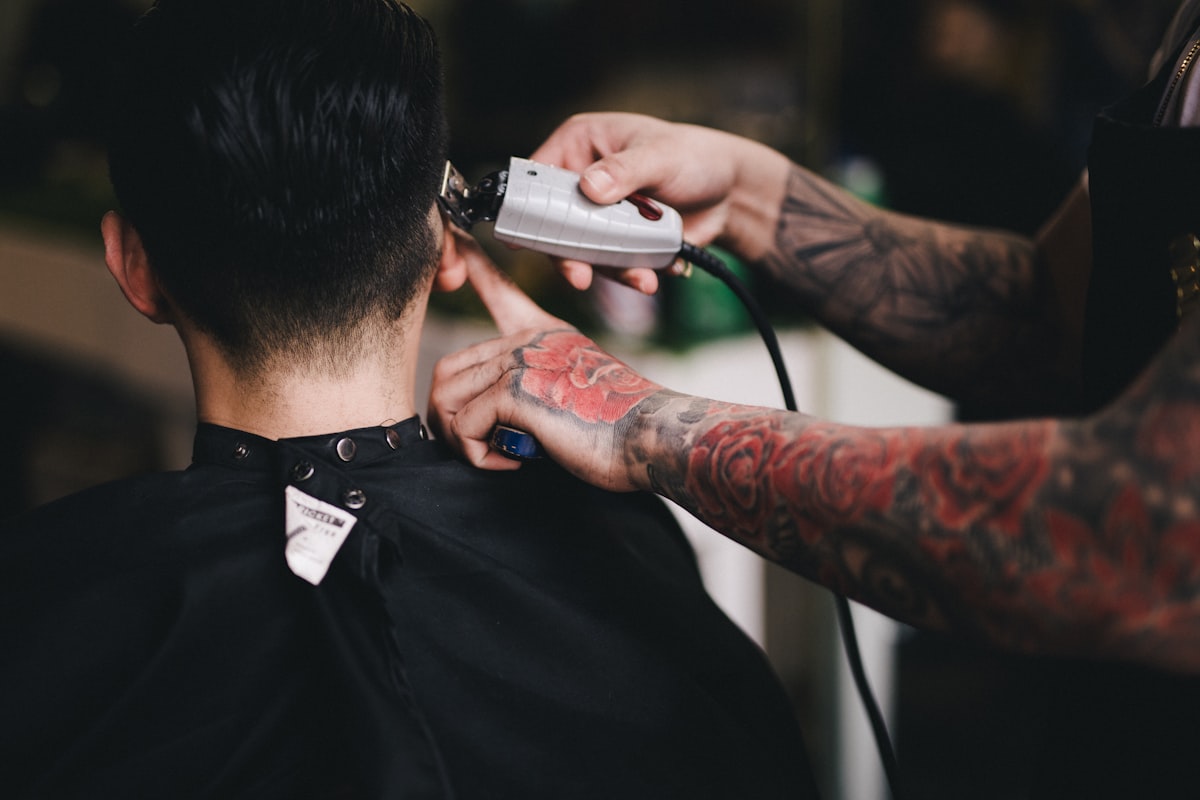
How to Hire Barbers for Your Barbershop
How to Hire Barbers for Your Barbershop
The quality of a barbershop is determined almost entirely by the quality of the people cutting hair in it. One consistently excellent barber builds a loyal client following. One inconsistent or difficult barber drives clients away, creates conflict with other staff, and damages the reputation the shop took years to build.
Hiring is not a transaction, it is one of the most consequential decisions in barbershop operations. Most barbershop owners who have had difficult hiring experiences made the same mistakes: they hired for availability rather than fit, they skipped the practical skill assessment, or they did not communicate expectations clearly before the first day.
Where to Find Barber Candidates
Barber schools and programs: New graduates from structured programs have foundational training and are often looking for their first chair. They require mentorship and time to build speed, but they come without established bad habits and can be shaped to the shop's standards from the start.
Instagram and social media: Barbers with a visible portfolio and following are showing their work publicly. Reaching out to a barber whose Instagram quality matches the shop's standards is a direct approach that is common and generally well-received in the industry.
Referrals from current staff: Barbers know other barbers. A referral from a trusted current employee comes with a peer endorsement and usually a more honest assessment of the candidate's skills and work ethic than a resume.
Walk-ins: In markets with active barbershop communities, experienced barbers sometimes walk in and ask about booth availability or employment. Always take 10 minutes to see their portfolio and have a brief conversation, the best hires sometimes come from unexpected moments.
The Practical Assessment
No hiring decision should be made based on a portfolio and a conversation alone. Before any offer is made, assess the candidate's work in person. A trial cut (with a willing client or a model) shows the candidate's actual speed, technique, and communication with the client in real conditions.
What to assess in a trial cut:
- Client consultation: does the barber ask the right questions before starting?
- Technique: are the fundamentals clean (blend, neckline, symmetry)?
- Speed: how long does the cut take, and is the quality maintained throughout?
- Communication: does the barber hold a natural conversation with the client without it affecting the work?
- Cleanup and professionalism: does the barber clean the station and tools after the cut?
The Expectations Conversation
Before the first day, both parties need to be clear on every major term of the arrangement. The conversation that is skipped before hiring is always the conversation that creates the conflict after hiring.
Cover explicitly:
- Compensation structure (commission rate, booth rental fee, or base wage)
- Schedule expectations (days, hours, flexibility)
- Client contact policy (does the barber own the client relationship, or does the shop?)
- Social media policy (tagging the shop, using shop content)
- Non-solicitation provisions (if any) if the barber leaves
- Probation period and performance expectations
- Hair model and continuing education expectations
Put the core terms in writing, even for informal arrangements. A one-page written summary of the agreement protects both parties and eliminates the "that is not what we agreed" conflicts that destroy working relationships.
The Probationary Period
A 30 to 90-day probationary period with clear evaluation criteria allows both the shop and the new barber to assess the fit before it becomes a long-term commitment. During this period, the shop owner should give regular feedback, not only at the end of probation. A barber who receives no feedback during probation and is then told at 90 days that things are not working has been set up to fail.
What to Look for Beyond Technical Skill
Technical skill can be developed. Character and professionalism are harder to change. The most costly hires in barbershop history are usually skilled barbers with poor character: late arrivals, client poaching, attitude with staff, and disregard for shop standards.
References from prior shops, honest conversations about why previous arrangements ended, and observation during the trial period give better signal on character than any interview question.
CADMEN Business Coaching
Hiring, team structure, and the full barbershop operations framework are covered in CADMEN's owner coaching program. $4,000 USD. academy.cadmen.ca.
Frequently Asked Questions
How do you find good barbers to hire?
Instagram (direct portfolio assessment), referrals from current staff, and direct outreach to recent barber school graduates are the three most reliable channels. The key in all cases is evaluating actual work before making any offer. A strong Instagram portfolio is a promising signal; it is not a hiring decision. A practical trial cut with a live client or model is the only reliable indicator of the candidate's actual skill level, client communication, and working speed in a real barbershop context.
What should a barbershop employment contract include?
At minimum: compensation structure and rate, schedule expectations, grounds for termination, non-solicitation provisions (if applicable), client contact ownership, social media policy, and any equipment or supply responsibilities. In Canada, employment contracts must comply with provincial employment standards legislation (minimum wage, vacation entitlement, termination notice requirements). A brief employment contract reviewed by a lawyer protects both parties. A handshake agreement works until it does not, and when it stops working, the consequences are disproportionately borne by whoever did not have the terms in writing.
Should a barbershop hire employees or booth renters?
Both models work. Employee model: more control, more overhead, more client relationship ownership, more administrative burden. Booth rental model: predictable rent income, less control, less overhead, barber owns the client relationship. The right model depends on the owner's goals and appetite for management. Many successful shops use a hybrid model: one or two employed barbers who represent the shop's core team and culture, and one or two booth renters who fill additional chairs and generate stable rent income. Confirm any booth rental arrangement is a genuine independent contractor relationship to avoid CRA misclassification risk.
How do you let a barber go without damaging the shop?
Give written notice per the employment contract and provincial employment standards requirements. Communicate clearly, professionally, and privately, not in front of other staff or clients. If the termination is performance-based, the barber should have received documented feedback prior to termination, so it is not a surprise. If a client relationship transition is needed (clients who booked with the departing barber), communicate to those clients that the barber has left and introduce them to another barber in the shop. Handle the transition with professionalism regardless of the circumstances of the departure, how a shop treats departing staff is visible to all remaining staff.
How much do barbers earn in Canada?
Commission-based employed barbers in Ontario typically earn 45% to 55% of their service revenue. A barber doing 8 clients per day at $40 per cut (industry-average mid-market) earns $320 in service revenue per day; at 50% commission, that is $160 per day before personal taxes, or approximately $3,200 to $3,500 per month working 5 days per week. Booth renters keep all service revenue above their weekly rental fee. An experienced barber in a busy shop in a higher-price market can earn $70,000 to $100,000+ per year. These are general ranges; actual earnings depend heavily on location, pricing, volume, and the individual barber's client following.
Related Reading From CADMEN Barber Academy
- How to Hire Barbers for Your Shop: What to Look For
- Barbershop Pricing Strategy: How to Set Prices That Reflect the Value You Deliver
- Gift Cards for Barbershops: How to Set Them Up and Use Them to Increase Revenue
- Barbershop Google Reviews Strategy: Getting 5 Stars Without Begging
- Hiring Barbers for Your Shop: What to Look For and What to Avoid
- How to Hire Barbers for Your Shop: What to Look For and How to Avoid Costly Mistakes
