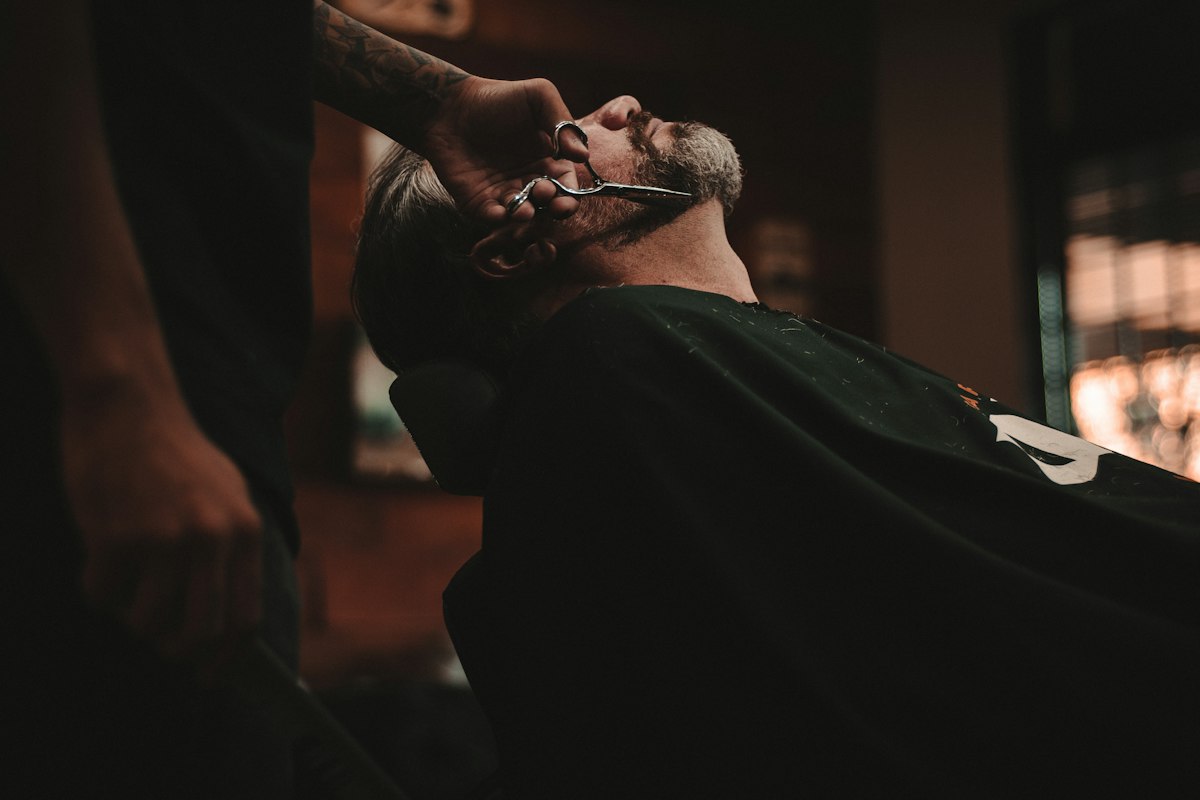
The Hard Part: What It Is and How Barbers Create It
The Hard Part: What It Is and How Barbers Create It
The hard part is a shaved line cut into the scalp that creates a defined separation between the top section of the hair and the shorter sides. It replaces or reinforces the natural parting with a precise, visible line. Here is how it works and what it involves.
How It Differs from a Natural Part
A natural part occurs where the hair naturally separates when combed. The line of separation is defined by the hair direction but not by a cut into the scalp. The hair on both sides of the line has the same density. A hard part creates an actual shaved line of bare scalp, which creates a visible white or skin-toned line that remains defined regardless of how the hair is styled. The shaved line provides a geometric precision that a natural part cannot achieve, particularly when the hair on top is moved by wind or activity.
How Barbers Create the Hard Part
The barber uses a straight razor or an outliner (T-blade trimmer) to shave a thin, precise line into the scalp at the location of the intended part. The line typically follows the natural part location for the specific haircut, though its placement can be adjusted. The width of the line is narrow (approximately 1/8 to 1/4 inch). The barber creates the line after the haircut structure is established, as part of the finishing and detailing phase of the cut.
The depth and length of the hard part line can vary. A full hard part runs the length of the natural parting from near the front hairline to above the ear. A shorter hard part runs only a few inches from the front hairline, creating a defined front section without the full parting effect.
Which Haircuts Include a Hard Part
The hard part is used most frequently in side-parted styles (classic taper, slick back variations, undercuts with a comb-over top) and in some fade cuts where the client wants a defined separation between the top section and the faded sides. It can be added to most haircuts that include a natural part. It is not typically used with buzz cuts (no parting involved), Afro styles (parting not a structural element), or completely forward-styled cuts.
Maintenance
The hard part grows out with normal hair growth. At 1 to 2 weeks, the shaved line begins to soften as stubble grows in. By 2 to 3 weeks, the line may no longer be clearly visible. Men who want to maintain a sharp hard part typically request a cleanup at each barbershop visit. Because re-shaving the line takes only a few minutes, some barbers include it in general cleanup appointments without a separate charge; others treat it as an add-on. Confirming this at booking avoids a gap in expectations.
Frequently Asked Questions
Does the hard part damage the hair or scalp?
No. The hard part removes hair from the skin surface through shaving, not from the follicle. Hair regrows normally. The process is identical to shaving any other area of the scalp and carries the same level of skin sensitivity. Men with sensitive scalps may notice mild redness immediately after the line is shaved, which resolves within a few hours. Using a fresh, sharp blade minimizes irritation.
Can I add a hard part to any existing haircut?
In most cases yes. If the haircut includes a parting (side part, comb-over, classic style), a hard part can be shaved along that parting. If the haircut does not include a parting by design, adding a hard part would create a structural element the rest of the cut is not designed around, and the result may look mismatched. The barber can advise on whether a hard part suits the specific cut.
Can I maintain the hard part at home?
With a detailing trimmer or straight razor and a mirror, yes. The challenge is the precision required for a straight, consistent line. Minor drift in the line during home maintenance may create a curved or inconsistent part that looks worse than a grown-out natural line. Many men maintain the hard part at the barbershop and let it grow out naturally between visits, rather than attempting home maintenance and risking the line.
Does the hard part work with all hair colors?
The hard part is most visible on darker hair or men with a visible difference between hair color and skin tone. On very light blonde or white hair, the shaved line may be less visually distinct. The contrast between bare scalp and the hair on either side is what creates the visual effect. Higher contrast hair-to-skin makes the line more defined; lower contrast makes it more subtle. This is not a limitation; it affects the degree of definition rather than whether the hard part works at all.
Related Reading From CADMEN Barber Academy
- The Hard Part: How to Razor a Perfect Part Line and When to Use It
- The Hard Part Haircut: What It Is and How Barbers Cut It
- Men's Hard Part Haircut: What It Is and How to Maintain It
- The Hard Part Haircut: How to Get a Razor-Sharp Side Part
- The Drop Fade: What It Is and Who It Works For
- The Edgar Cut: What It Is and How It's Done
