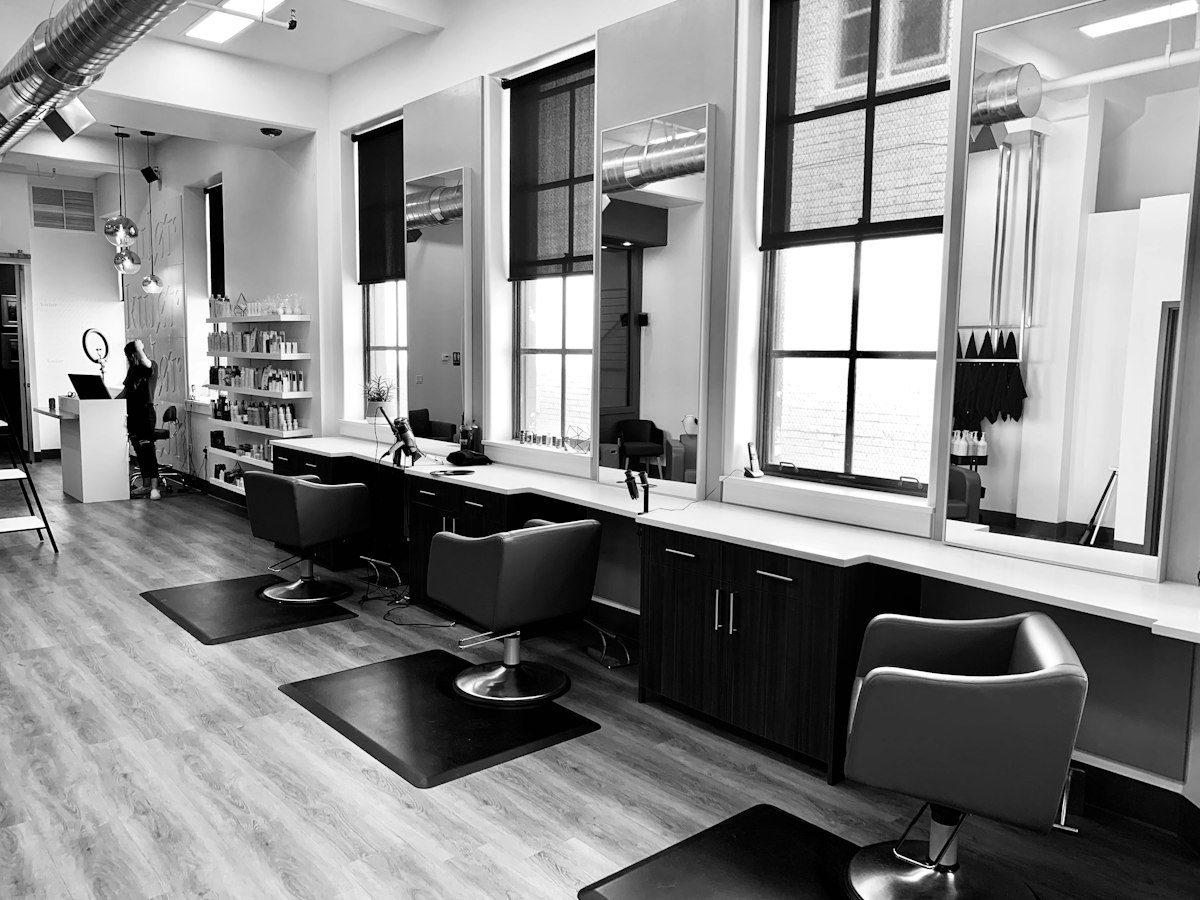
How to Open a Barbershop: Grand Opening Checklist
How to Open a Barbershop: Grand Opening Checklist
Most first-time barbershop owners underestimate how much preparation the opening phase requires. The typical timeline from "I want to open a shop" to first client is 3 to 6 months, sometimes longer if location build-out is involved. Here is what actually needs to happen before you open the doors.
Phase 1: Legal and Business Structure
Register the business
In Canada: register as a sole proprietorship, partnership, or incorporate. Most barbershops incorporate after reaching consistent revenue because of the tax advantages. If operating in Ontario, register with the Ontario Business Registry. If using a name other than your legal name, register a business name (Ontario: approximately $60 online).
In the US: register in your state, obtain an EIN from the IRS, and register for a business license with your city or county.
Barbershop license (province/state specific)
In Ontario, a barbershop must have a Certificate of Registration from Skilled Trades Ontario if barbers on staff have their Certificate of Qualification. The shop's physical space may require a health inspection certificate depending on municipality. Confirm requirements with your local public health unit before signing a lease.
Business insurance
At minimum: general liability, commercial property, and professional liability. If hiring employees, add workers' compensation and employer liability coverage. Budget $1,500 to $4,000+ per year depending on province/state, number of employees, and coverage level.
HST/GST registration (Canada)
Register for an HST number if annual revenue will exceed $30,000 (mandatory threshold). Register early if you plan to claim input tax credits on startup purchases like equipment and build-out costs.
Phase 2: Location
Choose the right space
Barbershop location requirements: visible street presence, sufficient foot traffic or easy discovery for the target demographic, adequate square footage for the number of stations (approximately 80 to 100 sq ft per station minimum plus waiting area), plumbing access for shampoo bowls if installing them, and zoning that permits personal services.
Negotiate the lease
Key terms to negotiate: base rent (aim for below market if doing build-out), free rent period during build-out (typically 1 to 3 months), tenant improvement allowance (landlord contribution to build-out costs), renewal options, and exit clauses. Never sign a long-term lease without a lawyer reviewing it.
Build-out or move-in ready
A shell space build-out for a barbershop runs $50 to $150+ per square foot depending on finishes, plumbing, and electrical. Budget realistically. Many first-time owners underestimate build-out costs by 30% to 50%.
Phase 3: Equipment
Minimum equipment list per station:
- Barber chair: $500 to $2,000+ depending on brand and quality
- Mirror and station shelf/cabinet
- 2 clippers (primary + backup) + 1 trimmer per barber
- Sanitizer station and disinfectant jars
Shop-wide requirements:
- Waiting area chairs
- Reception counter or tablet stand for check-in/booking
- Shampoo bowl(s) if offering wash services
- Storage for supplies
- POS/payment system (Square, Stripe, or integrated with your booking software)
- Booking software (GHL, Fresha, Square Appointments, or similar)
Phase 4: Staffing
Commission vs. booth rental from day one
Most new shops start on commission (45% to 60% to the barber) rather than booth rental because new shops have inconsistent client flow. Booth rental requires barbers to have their own client base. If you are opening with barbers who bring established books, booth rental can work from day one. If not, commission aligns the shop's incentives with the barbers' need to build clientele.
Employment agreements
Every barber needs a written agreement regardless of whether they are employees or independent contractors. Key clauses: service pricing, commission or rent structure, non-solicitation terms, client ownership policy, social media guidelines, and termination terms. Have a lawyer draft the template.
Phase 5: Pre-Launch Marketing
The most important pre-launch step most first-time owners skip: building an audience before opening day.
- Set up Google Business Profile 60 to 90 days before opening and begin collecting reviews
- Create Instagram and TikTok accounts 30 to 60 days before opening — post behind-the-scenes build-out content
- Run a soft-launch booking period for 2 weeks before the official opening date — fill the first week's calendar before day one
- Outreach to the local community: apartment buildings, gyms, offices nearby — introduce the shop
Shops that open with a waitlist or full first week are the exception, not the rule. Most new shops have multiple empty slots daily in the first 30 to 60 days. Pre-launch marketing closes that gap.
Phase 6: Grand Opening Day
- Soft launch 1 to 2 weeks before grand opening to work out booking and operational kinks with lower volume
- Grand opening event: invite local media, do a promotion (discounted cuts, free lineup with any service, etc.), post consistently across platforms for the week leading up to it
- Collect reviews from every satisfied client in the first 30 days — Google reviews in the first month are disproportionately important for local search ranking
CADMEN Business Coaching
The full barbershop opening framework, staffing models, lease negotiation, and the systems that make a shop profitable in year one are covered in CADMEN's business coaching program. $4,000 USD.
Inquiry at academy.cadmen.ca.
Frequently Asked Questions
How much does it cost to open a barbershop?
Startup costs vary widely by market and space. A realistic range for a 3 to 4 station shop in a Canadian or US urban market: $30,000 to $100,000+. The biggest variables are build-out costs (shell space vs. move-in ready), equipment quality, first and last month's rent plus deposit, and pre-opening marketing. Budget conservatively and have 3 months of operating expenses in reserve before opening.
Do you need a license to open a barbershop in Ontario?
Hairstylist is a compulsory trade in Ontario. The usual authorization is a valid Registered Training Agreement, Provisional Certificate of Qualification or Certificate of Qualification, unless an applicable exemption permits otherwise. A private course certificate does not replace that authorization. Check Skilled Trades Ontario’s requirements and exemptions before professional work.
How long does it take to open a barbershop?
Most owners spend 3 to 6 months between the decision to open and the first day of business. This accounts for business registration, securing and negotiating a space, build-out, equipment ordering and installation, hiring, and pre-launch marketing. Skipping pre-launch marketing and opening without an existing client base extends the time to profitability significantly.
What is the best location for a barbershop?
High foot traffic near a target demographic. For a general-market barbershop: near residential areas with young-to-middle-aged male demographics, near commuter transit or office areas, on a ground-floor visible corner or strip mall position. Rent-to-revenue ratio is as important as absolute traffic volume. A lower-traffic location with lower rent can outperform a high-traffic location with unworkable rent.
Should I hire employees or booth renters?
Booth renters make more sense when the barbers coming in already have established client books and can cover their rental fee reliably from day one. Commission employees make more sense when building a new team from scratch, when client volume will be shared and built over time, or when the owner wants more control over scheduling and service standards. Many shops start on commission and transition barbers to booth rental as they build their book.
