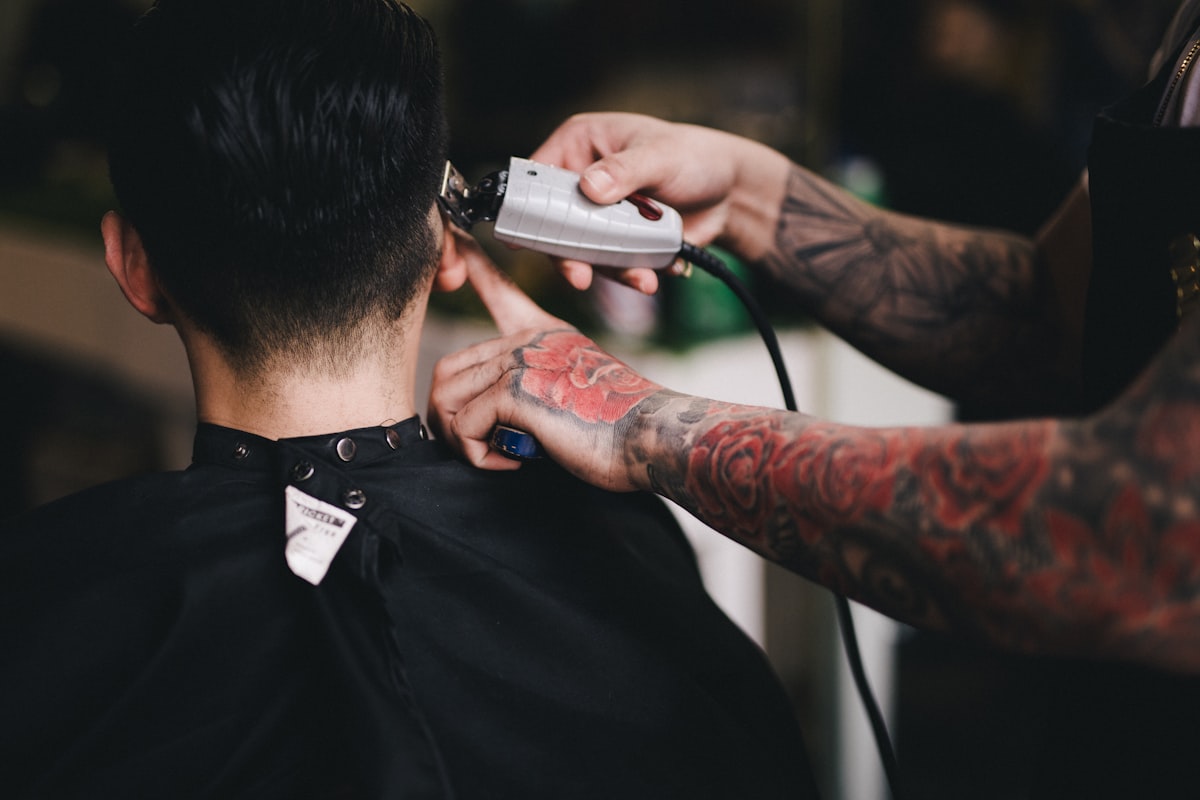
How Barbers Maintain Their Clippers: What Proper Tool Care Looks Like
How Barbers Maintain Their Clippers: What Proper Tool Care Looks Like
A professional barber's clippers cut dozens of clients per week. The performance difference between well-maintained clippers and neglected ones is measurable: a maintained blade cuts cleanly and smoothly, a poorly maintained one drags, pulls, and produces uneven cuts. Understanding what proper clipper maintenance involves helps explain why a barber's tools matter, and what to look for when evaluating a barbershop.
The Basics of Clipper Mechanics
Clippers cut hair by two blades moving laterally against each other at high speed. One blade is fixed; the other oscillates. Hair enters the teeth of the blades and the scissoring action of the two blade surfaces cuts it. The precision of this action depends on the blades being properly aligned, lubricated, and clean.
When the blades are not properly lubricated, the metal-on-metal contact increases friction, heats the blades, and accelerates wear. When the blades are dirty with hair and product buildup, the debris prevents the blades from making full contact and reduces cutting efficiency. When the blades are misaligned, they can pull or nick rather than cutting cleanly.
Oiling
Clipper oil is applied to the blade teeth directly before or after use. A small drop is placed at several points along the blade surface, and the clipper is run briefly to distribute the oil across the moving surfaces. This reduces friction, prevents heat buildup, and extends blade life.
Professional barbers oil their clippers every two to three clients or more frequently with continuous heavy use. A client in the chair while the barber's clippers run hot is a sign of inadequate oiling. Properly maintained clippers run at a neutral temperature; blades that are uncomfortably warm against the scalp have not been properly lubricated.
Cleaning
Hair debris accumulates between the blade teeth during use. A small brush (typically included with professional clipper sets) removes loose hair from between the teeth. This is done after each haircut or between haircuts during a session. Accumulated hair in the blade reduces airflow and traps heat, which warms the blades and affects cutting quality.
A disinfectant spray applied to the blades between clients is a hygiene requirement, not just a maintenance step. Blade spray products combine disinfection with light lubrication and cooling. A properly run barbershop applies blade spray between every client.
Blade Alignment
The two blades of a clipper must be precisely aligned: the bottom blade should extend approximately one tooth-width beyond the edge of the top blade. Misalignment causes the clipper to drag through the hair or nick the skin. Alignment adjustments are made by loosening the blade screws slightly, adjusting the blade position, and re-tightening.
Professional barbers check and adjust blade alignment regularly, particularly if a clipper has been dropped or if the cut quality changes unexpectedly. A clipper that suddenly starts pulling or feeling rough likely has a blade alignment issue.
Blade Sharpening and Replacement
Blades dull with use. A dull blade pulls the hair before cutting it rather than slicing cleanly. The pull sensation that some clients report during a haircut is often a dull blade. Professional barbers typically have blades sharpened by a blade service or replace blades on a regular schedule depending on their volume of use. A barber cutting thirty or more clients per week may sharpen or replace blades monthly.
Frequently Asked Questions
Can I tell if a barber's clippers are poorly maintained?
Sometimes. Blades that pull rather than cut cleanly during the haircut are often dull or inadequately oiled. Blades that feel hot against the scalp have not been adequately lubricated or cooled. A barber who does not apply blade spray between clients is skipping a standard hygiene step that is visible to a client who watches. Clippers that sound rough or irregular rather than smooth during use may have blade alignment issues.
How long do clipper blades last with proper maintenance?
A high-quality blade with regular oiling and blade spray typically lasts several months of professional use before performance degrades enough to warrant sharpening. Heavy-volume barbers may sharpen blades monthly. Home users who maintain their clippers properly may use the same blades for a year or more before sharpening is needed.
Does good clipper maintenance affect the final haircut result?
Yes, directly. A sharp, well-aligned blade cuts hair cleanly at the intended length without pulling. A dull or misaligned blade cuts unevenly, may produce a slightly longer result than expected near the skin, and can leave the hair shaft with slightly frayed ends rather than a clean cut. The difference is subtle but cumulative across the full haircut.
Should I ask a barber if they oil their clippers?
You can, though the question may seem unusual. An easier assessment is to observe whether the barber applies spray between clients. A barber who maintains their tools properly will do so without being asked. If you feel the clipper pulling during your cut, you can mention it directly: "those feel like they are dragging." A responsive barber will oil or adjust the blade immediately.
Are the maintenance requirements the same for scissors?
Scissors require cleaning after each use and periodic professional sharpening, but they do not require oiling in the same way clippers do. Scissors that have been sharpened recently cut cleanly through the hair with minimal resistance. Dull scissors crush the hair shaft rather than cutting it cleanly, which can produce split ends at the cut point. Professional barbers typically have their scissors sharpened every few months depending on use volume.
Related Reading From CADMEN Barber Academy
- Barber Clipper Maintenance: How to Keep Clippers Running Clean Every Day
- Clipper Blade Maintenance for Barbers: Oiling, Cleaning, and Extending Blade Life
- Barber Chair Maintenance: How to Keep Equipment Running and Protect Your Investment
- How to Clean and Care for Clipper Blades
- Clipper Maintenance for Barbers: How to Keep Your Tools Cutting Like New
- How to Clean and Maintain Barber Clippers: The Routine That Keeps Them Cutting Correctly
