The Barbershop Client Experience: What Keeps Clients Coming Back
The Barbershop Client Experience: What Keeps Clients Coming Back
A client who gets a great haircut and has a frustrating experience around it will find another shop. A client who gets a solid haircut and has a consistently enjoyable experience will come back and bring people. The technical quality of the cut is the floor, not the ceiling. What builds a loyal client base is what happens around the cut.
Before the Visit: Booking
The first impression happens at the booking stage, before the client walks in. A shop that is hard to book creates friction that starts the experience negatively.
Minimum standard: clients should be able to book online without calling. Most clients under 40 will not call to book an appointment. They will either find a shop with online booking or walk in and hope for availability. A shop without online booking is invisible to a significant portion of its target market.
A confirmation message with the appointment details, a reminder 24 hours before, and an easy cancellation/rebooking option reduce no-shows and show the client the shop is organized.
Arrival: The First 60 Seconds
The first 60 seconds in a shop determine the client's baseline expectation for the visit. What happens in those 60 seconds:
- Is someone acknowledged them? Or did they walk in and stand ignored while barbers talked among themselves?
- Is the shop clean? A dusty, cluttered shop reads as unprofessional before a single service is performed.
- Is the wait communicated? "There's about 15 minutes before your barber is ready" is much better than being left to sit with no information.
None of this requires training beyond basic awareness. The shop that does these three things consistently holds clients at a higher rate than shops where clients feel invisible when they walk in.
During the Service: Communication and Attention
Two things that consistently drive client dissatisfaction: the barber was on their phone during the cut, and the barber did not confirm what the client wanted before starting.
A 30-second consultation at the start of every service prevents the second problem. "Same as last time?" is not a consultation. "Same fade, same length on top, or making any changes today?" is a consultation. The difference is two extra seconds and it prevents almost every end-of-cut disagreement.
The phone during the cut is a client retention problem. A barber who cuts well but is visibly distracted sends a message that the client is not their priority. Over time, clients find a barber who makes them feel attended to.
The Physical Environment
Cleanliness is the baseline. Hair on the floor from the previous client, used neck strips left on the station, cloudy mirrors, and stained capes all read as lack of care regardless of the barber's technical skill. Clean up between every client. It takes 90 seconds.
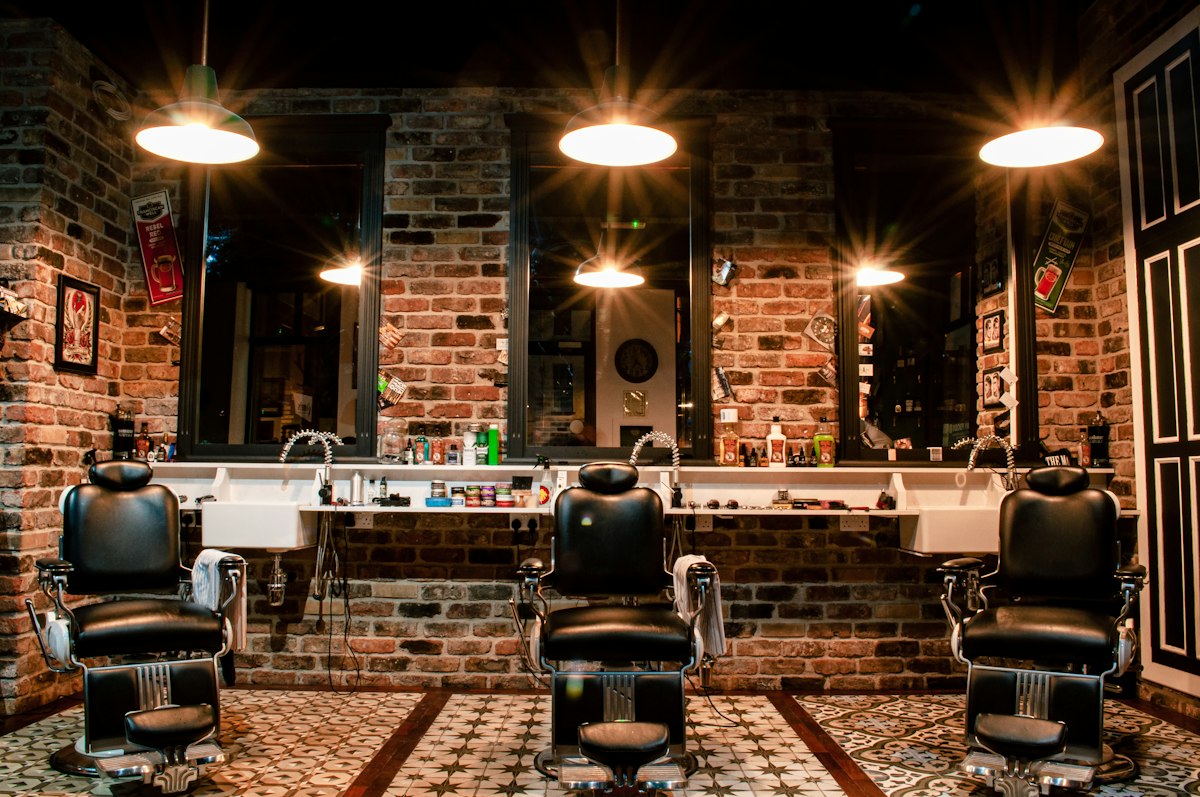
Beyond cleanliness: the atmosphere matters. Music volume and genre, lighting, temperature, and whether the shop feels like a place people want to spend time all contribute to the experience. None of these need to be expensive. They need to be intentional.
End of Service: Checkout and Rebooking
Show the client the result. Turn the chair, hand them a mirror, let them see the sides and the back. This is standard in most shops but not universal, and the clients who were never shown the back after a cut remember it.
The checkout transaction should be frictionless. Cash only is a friction point in 2025. Multiple payment options with no awkward moments at the register matter more than they used to.
Rebooking: ask at checkout. "Same time in three weeks?" converts clients from "intend to come back" to "is already booked." Shops with high rebooking rates at checkout have far more predictable revenue than those relying on clients to self-book weeks later.
After the Visit: Follow-Up
A simple "How did everything go?" message 24 to 48 hours after the visit does two things: catches any dissatisfaction before it becomes a bad review, and signals to the client that the shop cares about their experience beyond the payment.
Automated review requests are appropriate after confirmed positive visits. The timing: not immediately after the cut (feels transactional), not a week later (the moment has passed). 24 to 36 hours after the visit is the right window for most clients.
The Pattern Across All of This
Every element above comes down to one thing: does the client feel like they matter to the shop, or do they feel like a transaction? Clients who feel like they matter refer others and come back. Clients who feel like transactions switch when a better option appears.
Technical skill keeps a client from leaving because of the cut. The experience keeps them from leaving for everything else.
CADMEN Business Coaching
Building the client experience system, from booking workflows to post-visit follow-up, is part of CADMEN's barbershop owner coaching program. $4,000 USD. Inquiry at academy.cadmen.ca.
Frequently Asked Questions
What makes a great barbershop experience?
Six things: easy booking with confirmation and reminders, immediate acknowledgment when the client walks in, a brief consultation before every service, an attentive barber who is not distracted during the cut, a clean and intentional environment, and a clear checkout with the option to rebook. Shops that do all six consistently retain clients at significantly higher rates than those that do only some.
How important is customer service in a barbershop?
The technical quality of the cut and the customer service are roughly equal in their impact on client retention. A technically skilled barber who creates friction (no communication, inconsistent attention, hard to book) will lose clients to a slightly less skilled barber who makes clients feel valued. Most client losses in barbershops are not from quality issues, they are from service and communication failures.
How do you get Google reviews for a barbershop?
The most effective method: ask at the right moment. After confirming the client is happy with their cut, say "I'd really appreciate if you left us a quick Google review, it helps a lot." Send a follow-up text with the direct Google review link 24 hours later. The link should go directly to the review form, not the shop's homepage. Do this consistently for every satisfied client rather than selectively, and your review count will grow steadily.
What should be in a barbershop consultation?
At minimum: confirm the service requested, check if the client wants any changes from last time (or establish preferences if they are new), confirm fade height and top length, and check the neckline preference (tapered, squared, natural). This takes 30 to 60 seconds and prevents almost every post-cut disagreement. The consultation should happen before any tools touch the hair.
How do you handle a client complaint at a barbershop?
Listen fully without interrupting. Acknowledge the issue without becoming defensive. Offer a specific resolution: re-do the service immediately, provide a credit toward the next visit, or refund if the situation warrants it. The goal is to leave the client feeling heard and valued. Clients whose complaints are handled well often become more loyal than those who never had a problem, because the resolution demonstrates that the shop genuinely cares about the outcome.
Related Reading From CADMEN Barber Academy
- Barber Client Communication: How to Run a Consultation That Produces the Right Haircut Every Time
- The Barber Consultation: What to Ask Before Every Cut
- Barber Client Consultation Tips: Getting the Information You Need Before the First Cut
- What Barbers Wish More Clients Knew Before Sitting in the Chair
- How to Build Client Loyalty in Your Barbershop
- Barber Client Retention: Why Clients Leave and What Keeps Them Coming Back
