First Barbershop Visit: What to Expect and How to Communicate
First Barbershop Visit: What to Expect and How to Communicate
The first visit to a new barbershop, or the first time getting a barbershop cut at all, is easier than it feels. Most of the anxiety around it comes from not knowing how the process works. Here is what happens during a visit and how to communicate clearly so you get what you want.
What Happens During a Visit
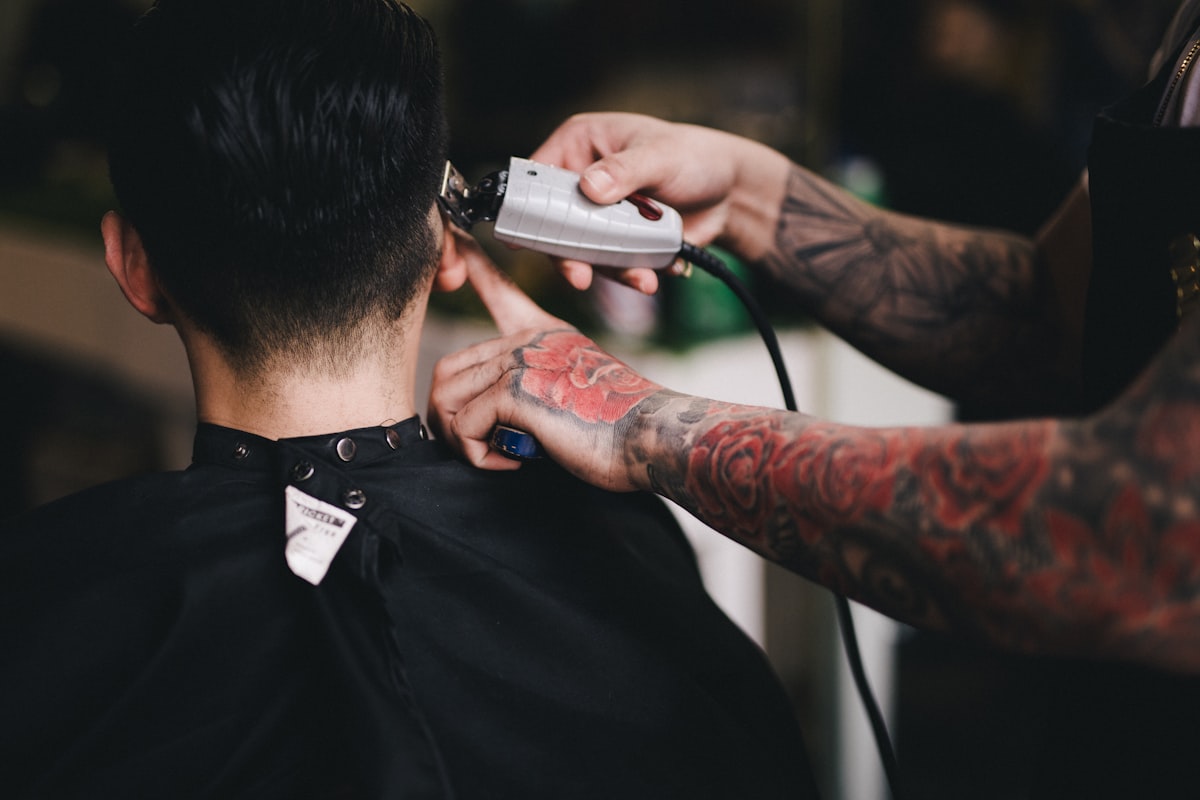
When you arrive, you check in with the front or the barber directly. In many shops you are added to a queue. When the barber calls you, you sit in the chair and the barber covers you with a cape. Before the cutting begins, the barber asks what you want. This is the consultation, and it is the most important part of the appointment.
After the consultation, the barber cuts. Depending on the style, this involves clippers, scissors, a comb, and potentially a straight razor for the neckline and edges. When the cut is complete, the barber shows you the result (typically using a hand mirror to show the back) and asks if you are satisfied. If there is something you want adjusted, this is the moment to say so.
The visit ends at the register or at the chair depending on the shop's system. Tip is separate from the service price and is given after the cut.
How to Communicate What You Want
The most effective way: bring a photo. A clear reference image of a cut you want eliminates nearly all ambiguity. The photo shows the barber the length, the fade height, the style of the top, and the overall shape at once. It is more reliable than verbal description for any detail-dependent cut.
If you do not have a photo, use the language barbers use: describe the fade level (low, mid, high), the guard length on the sides (1, 2, 3), how much length to take off the top (in inches or asking to keep it the same length but shape it), and what you want at the neckline (tapered natural, squared, faded). Basic vocabulary gets you much further than vague requests like "just clean it up."
Avoid descriptions like "a little bit" and "not too much" without a reference point. "Take off a little" to one person is half an inch; to another it is two inches. Reference a specific starting length and the target length if you are concerned about how much comes off.
Finding the Right Barber
The best referral is from someone whose haircut you like. If you see a clean fade on someone, asking where they get their hair cut is direct and reliable. Short of that, look at before-and-after posts on Instagram or review photos from the shop. Barbers who post their work are showing you exactly what they are capable of and what their specialties are. A barber who posts primarily skin fades and detailed work on textured hair is probably excellent at those things. A barber whose feed shows primarily scissors work and longer styles is experienced in those.
Tipping
15 to 20 percent is the standard range for barbershop tipping. Some clients tip at the lower end for a simple cut and higher for a detailed or longer service. Tipping in cash is preferred in many shops. If you did not carry cash and the shop does not have a card tip option, acknowledging this to the barber directly is better than leaving nothing and saying nothing.
Frequently Asked Questions
What if the barber cuts more than I wanted?
Say something before you leave the chair. The post-cut review is specifically for this. A good barber would rather make an adjustment than have you leave dissatisfied. If the cut is shorter than intended, there is a limit to what can be done, but the barber can at least even it out or refine what exists. Do not wait until you are out of the shop and then complain later; in-chair adjustments are standard, after-the-fact complaints are harder to address.
Should I wash my hair before going to the barbershop?
Clean hair is preferable. Extremely dirty or product-heavy hair can be harder to cut accurately because the hair behaves differently when coated with product. That said, many barbershops wash the hair as part of certain services. For a standard haircut, showing up with reasonably clean dry hair is the default. Soaking wet hair is harder to cut accurately for some styles.
How do I find a barber who specializes in my hair type?
Search for barbers who post work on clients with similar hair texture. For type 4 natural hair, look for barbers who post fades and cuts on that texture specifically. For Asian hair, look for barbers who work regularly with straight fine-to-medium hair. Specialty experience matters: a barber who works primarily with one texture has developed nuanced skills for it that a generalist may not have.
Is it rude to show a barber a photo of another barber's work?
No. It is the most helpful thing you can do. Barbers use reference photos constantly and expect them. A photo is useful information, not a suggestion that you prefer the other barber. The more clearly you can show what you want, the better the result for everyone.
What if I do not know what I want?
Tell the barber that. A good barber will ask you a few questions about your lifestyle, how much time you want to spend styling, and what you like and dislike about your current hair, and make a recommendation. Many men have let a knowledgeable barber make the call and ended up with something better than anything they would have asked for. Being open to the barber's recommendation is a reasonable approach, especially at the first visit with a new barber.
Related Reading From CADMEN Barber Academy
- How to Get a Good Haircut When You Are New at a Barbershop
- Your First Barbershop Visit: What to Expect and How to Communicate
- First Time at a Barbershop: What to Expect and What to Say
- First Visit to a New Barbershop: Exactly What to Say
- Your Kid's First Barbershop Visit: What Parents Need to Know
- How to Choose a Barber in Toronto for the Best Fade
