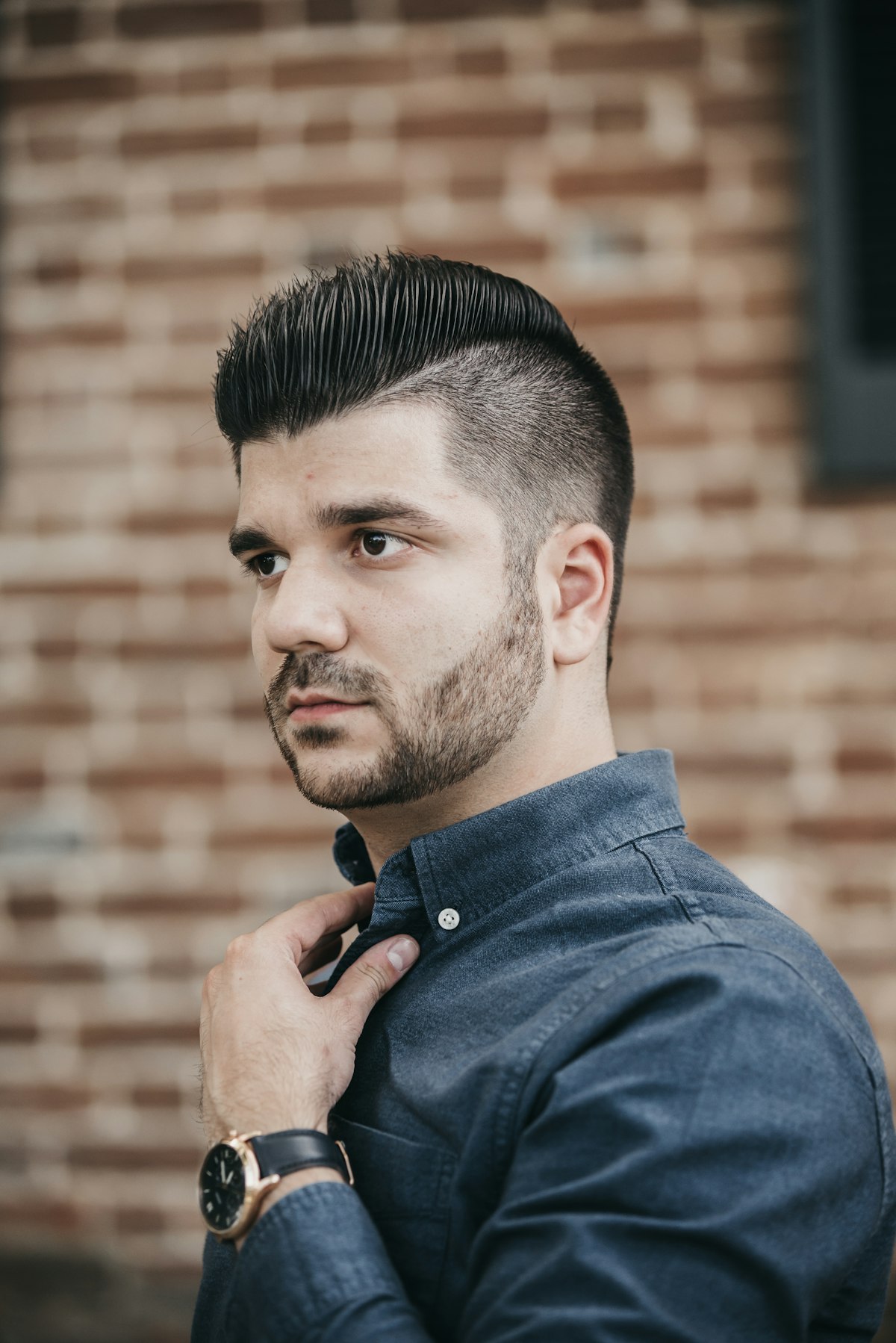
Beard Fading at the Barbershop: How It Works and Why It Changes the Whole Look
Beard Fading at the Barbershop: How It Works and Why It Changes the Whole Look
A beard left with a hard line at the cheek or a disconnected edge at the neckline looks incomplete, no matter how well-groomed the beard itself is. The beard fade solves this by creating a seamless transition from the beard into the skin or into the haircut, making the entire face and neck look intentional rather than assembled from separate parts. Here is how barbers approach it.
What a Beard Fade Is
A beard fade gradually transitions from the full density of the beard down to nothing at a chosen boundary. The density changes progressively, the same way a haircut fade transitions from a longer length down to skin. The result is a beard that appears to grow out of the face rather than sit on top of it.
The two most common fade points in a beard are the cheekline and the neckline. The cheekline fade removes the hard line at the top of the beard and replaces it with a graduated transition where the density reduces as it moves up the cheek. The neckline fade removes the hard line at the bottom of the beard and fades the density into the neck, removing the visual shelf that a blunt neckline creates.
A full beard fade addresses both points. It also includes fading the sideburns into the beard and optionally fading the mustache into the cheek area. The finished beard appears continuous with the face and neck rather than outlined in black marker.
The Technical Process
Barbers use a combination of clipper guards, T-outline trimmers, and scissors to create a beard fade. The process starts with the full beard trimmed to the target length. Then the cheekline is approached from above, with progressively shorter guards moving downward toward the point where the beard is at full density. The same process applies to the neckline moving upward from the skin into the beard.
The transition is then blended further with a detail trimmer or by texturizing with scissors, removing any visible lines between the guard changes. The final pass uses a zero-guard trimmer or a straight razor at the very bottom of the neckline and the very top of the cheekline to give a clean edge at the outer boundary of the fade.
The key technical challenge is maintaining even density across the fade while keeping the overall shape of the beard balanced on both sides of the face. Beard hair grows in different directions in different areas, and the fade has to work with those growth patterns rather than against them.
How It Changes the Overall Appearance
The beard fade creates visual continuity between the haircut and the beard. When the sideburns fade into the beard and the beard fades into the neck, the entire lower half of the face reads as one deliberate style rather than a haircut with a separate beard attached.
It also changes how the jaw and neck read. A blunt neckline creates a visible shelf that draws attention to the neck and can make the jaw appear heavier. A faded neckline draws the eye upward along the jaw rather than cutting off at a horizontal line. This elongates the neck visually and makes the jawline more prominent.
Men with round faces often find that a properly faded beard changes their face shape perception significantly. The angular, defined edges of a well-faded beard create contrast with the round face and add the appearance of jaw definition that would not otherwise be visible.
When to Request a Beard Fade
Request a beard fade at every beard maintenance appointment. It is not a one-time service. As the beard grows, the fade grows out and the boundary between the beard density and the skin becomes a hard line again. Most men maintain their beard fade on the same schedule as their haircut.
Specifically ask for a beard fade if you have a skin fade on the sides of your hair. A skin fade haircut with a non-faded beard creates a disconnected look where the razor-clean sides suddenly meet a blunt, edged beard. The beard fade bridges that gap.
Frequently Asked Questions
How long does a beard fade take?
15 to 25 minutes as part of a haircut appointment. As a standalone beard service without a haircut, typically 20 to 30 minutes depending on the beard density and complexity of the fade.
Can all beard lengths be faded?
Yes, though the technique varies. Short beards (under half an inch) are faded with clipper guard changes and a detail trimmer. Medium and long beards require more scissor work to taper the density before the clipper work begins. Very long beards can be faded but the transition is more subtle due to the weight and movement of longer hair.
Does a beard fade work on patchy beards?
A fade on a patchy beard does not create density where the follicles are absent. However, it can reduce the visibility of patchiness by graduating the transition into the less dense areas rather than highlighting them with a hard line. A skilled barber will adjust the fade design to minimize the visibility of patches.
How do I maintain a beard fade at home between appointments?
Use a detail trimmer to clean the boundary lines every one to two weeks. The interior fade itself is difficult to maintain at home without clipper guard discipline and a mirror setup that lets you see the back of your neck. Most men touch up the boundary lines at home and get the full fade re-done at the barbershop on their regular schedule.
What is the difference between a beard fade and a beard lineup?
A beard lineup creates sharp, defined lines at the cheek and neckline. A beard fade replaces those hard lines with graduated transitions. The lineup gives a harder, more graphic look. The fade gives a softer, more integrated look. Many beard styles use both: a lineup to define the outer boundary and a fade just inside that boundary to transition into the beard density.
