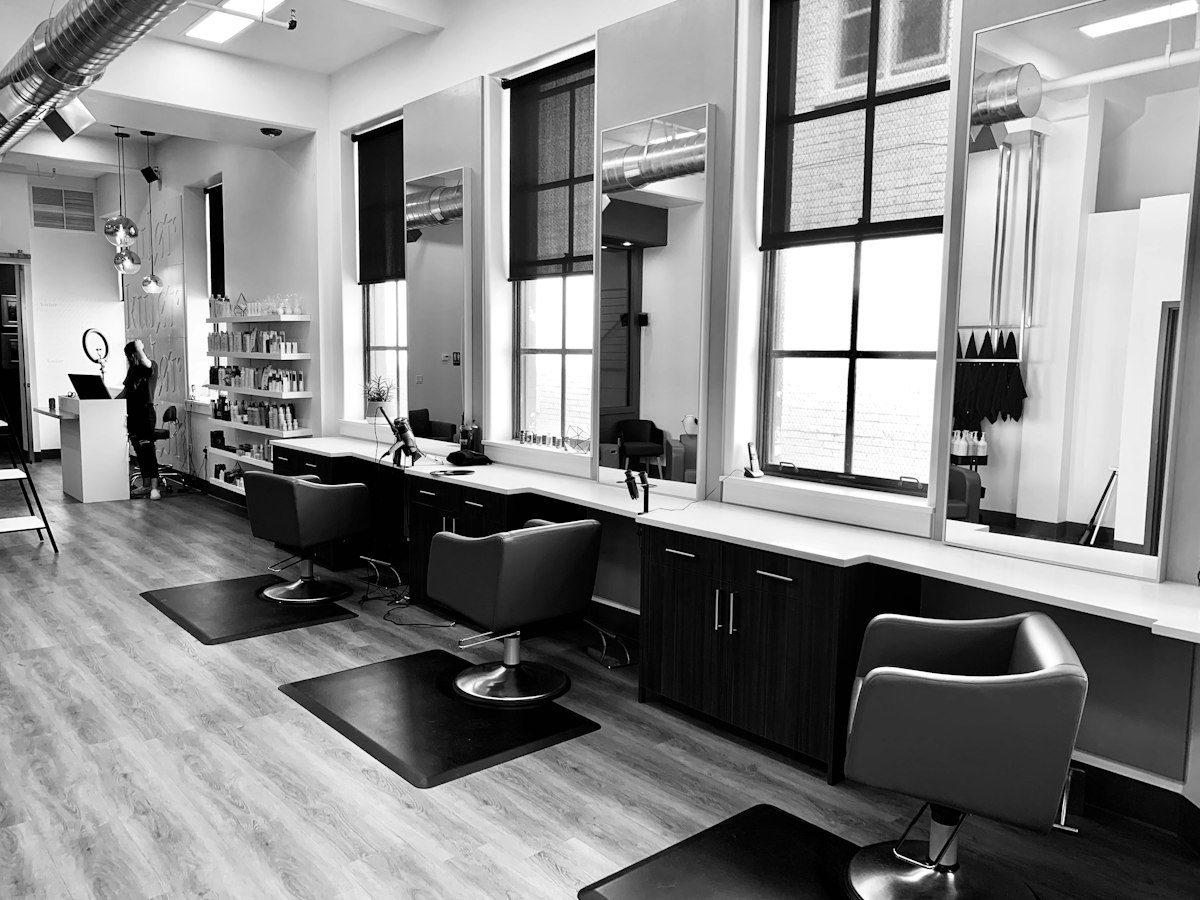
Barbershop Design and Atmosphere: How the Physical Space Affects Client Experience and Pricing Power
Barbershop Design and Atmosphere: How the Physical Space Affects Client Experience and Pricing Power
The physical environment of a barbershop is part of the product the client is buying. A service delivered in a clean, well-designed, intentional space is perceived as more valuable than the same service delivered in a cluttered, poorly lit, or visually incoherent environment, even when the technical quality of the haircut is identical. This affects pricing power: shops with premium environments command premium prices in the same market, with the same or similar technique levels, because clients are paying for an experience that includes the environment. Ignoring the space means leaving pricing power on the table.
What Clients Actually Notice
Cleanliness. This is the baseline. A shop that is visually clean (floors swept between clients, mirrors wiped, tools visibly organized or sanitized) communicates professional standards to clients at every visit. A shop that does not maintain this baseline signals to clients that professional standards may be lower in other areas of service too. Clean is not expensive; it is a decision and a system.
Lighting. Lighting quality affects both the perception of the space and the practical quality of the work done in it. Warm, even lighting at the barber stations (both from above and ideally from the sides of the mirror) eliminates shadows that make it harder to assess blend quality and makes clients look their best in the chair. Overhead fluorescent lighting in an otherwise dark space produces a harsh, clinical environment that does not match a premium service positioning. Lighting is one of the highest-value investments for the cost in any barbershop build-out.
Visual coherence. A space that has a consistent aesthetic (a color palette, a style direction, whether that is vintage, modern, industrial, or minimal) reads as intentional. A space assembled from mismatched furniture and miscellaneous objects reads as random. Intentional does not require expensive; a $5,000 fit-out with a clear aesthetic direction outperforms a $50,000 fit-out with no consistent vision.
Music and sound. The audio environment of the shop is noticed even when clients cannot articulate it. Background music at an appropriate volume for conversation (not so loud clients cannot hear the barber) that is genre-consistent with the shop's positioning signals that every element of the experience is considered. Dead silence or television blaring in the background produces discomfort in most clients without them naming the reason.
Common Design Mistakes
Cluttered surfaces. Products, tools, and supplies stacked visibly at every station communicate disorganization. Storage behind cabinet doors or in organized drawers keeps surfaces clean while keeping supplies accessible. A mirror reflection of a clean, organized station is part of what the client sees during their cut.
Mismatched chairs. A shop with three different models of barber chair reads as assembled from whatever was available rather than designed with intention. Matching chairs at a lower price point produce a better visual coherence impression than mismatched chairs at different quality levels.
Neglected waiting area. Clients spend time in the waiting area before their cut. Uncomfortable seating, visible clutter, or a waiting area that is clearly an afterthought undermines the impression even before the cut begins. The waiting area is part of the experience; treat it as such.
Frequently Asked Questions
How much should a barbershop spend on interior design?
There is no universal number; it depends on the shop's target market position. A premium boutique competing on environment and experience typically allocates 15 to 25% of its startup budget to design and finishes. A mid-market shop can achieve a clean, professional environment at a lower proportional spend by focusing on the high-impact elements: lighting, chairs, signage, and clean surfaces. The mistake is spending zero on intentional design and expecting premium positioning from service quality alone.
Does barbershop design affect client retention?
Yes. Research in retail and service businesses consistently shows that environment quality affects return visit intention. Clients who feel comfortable, relaxed, and positively stimulated in a space want to return to it; the haircut is the primary reason, but the environment reinforces it. Shops that invest in environment quality see higher repeat visit rates than shops with equivalent technical quality but less attention to the physical experience. The environment is a retention tool, not just a marketing asset.
