Barbershop vs Salon for Men: What the Difference Actually Is
Barbershop vs Salon for Men: What the Difference Actually Is
The barbershop vs salon question comes up constantly. Most men pick based on price, convenience, or habit rather than an actual understanding of what each place does best.
The difference matters more than most people realize. The training is different. The tools are different. The results for certain services are different. Here is a clear breakdown.
The Training Is Fundamentally Different
Barbers and hairstylists complete different training programs and are licensed differently.
Barber training focuses on cutting, fading, blending, and straight razor shaving. The curriculum includes clipper work, edge-ups, beard grooming, and hot towel shaves. Barbers are trained specifically on the techniques used for short to medium-length men's hair.
Hairstylist training covers a broader range of services including coloring, chemical treatments like perms and relaxers, cutting, and styling. The depth of training for clipper-based cuts and fades is typically less than what barbers receive.
Neither is better in an absolute sense. They are trained for different things.
What Barbershops Do Best
Barbershops excel at specific services that require clipper precision and razor work:
- Fades of all types, including skin fades
- Edge-ups and sharp line work at the hairline
- Beard trims, shaping, and straight razor cleanups
- Hot towel shaves
- Short to medium length men's haircuts that rely heavily on clipper work
- Traditional cuts like the taper, crew cut, and flat top
A barber who has spent years doing fades every day will produce cleaner, more precise results on those cuts than most general hairstylists. The volume of repetition alone creates a different skill level in that specific area.
What Salons Do Best
Salons cover services that barbershops typically do not offer or are not trained to execute at the same level:
- Hair coloring, highlights, and bleaching
- Chemical treatments including perms, relaxers, and keratin treatments
- Longer men's hair cuts with scissors-based blending
- Curl definition and styling for medium to long hair
- Scalp treatments and professional conditioning services
If you want to add color to your hair, salons are generally the better option. Colorists in salons spend significantly more time training on chemical processes than barbers do.
The Middle Ground: Modern Barbershops and Men's Salons
The line has blurred significantly over the past decade. Many barbershops now offer color services, scalp treatments, and longer cut styles. Some salons have hired barbers specifically to handle men's clipper work.
Men's salons, sometimes called grooming lounges, often sit between the two. They offer the relaxed environment of a barbershop with some of the services traditionally found in salons.
When visiting a hybrid shop, ask specifically who does the service you want. A barbershop that offers color likely has one person trained in color and several who are not. You want the right specialist for the service you are getting.
Price Differences
Traditional barbershops tend to have lower base prices for standard haircuts than salons. Barbershop cuts often range from $25 to $50 for a standard cut depending on location and the barber's experience level. Specialty barbers in urban areas or destination shops charge more.
Salon prices for men's haircuts typically start higher and scale up more steeply because the overhead model is different. Stylists often work on commission, which builds into the service price.
For color, salons may offer better value because that is their primary service. Paying a premium at a barbershop for color work that the barber has limited experience with is not a good trade.
The Environment Is Part of the Experience
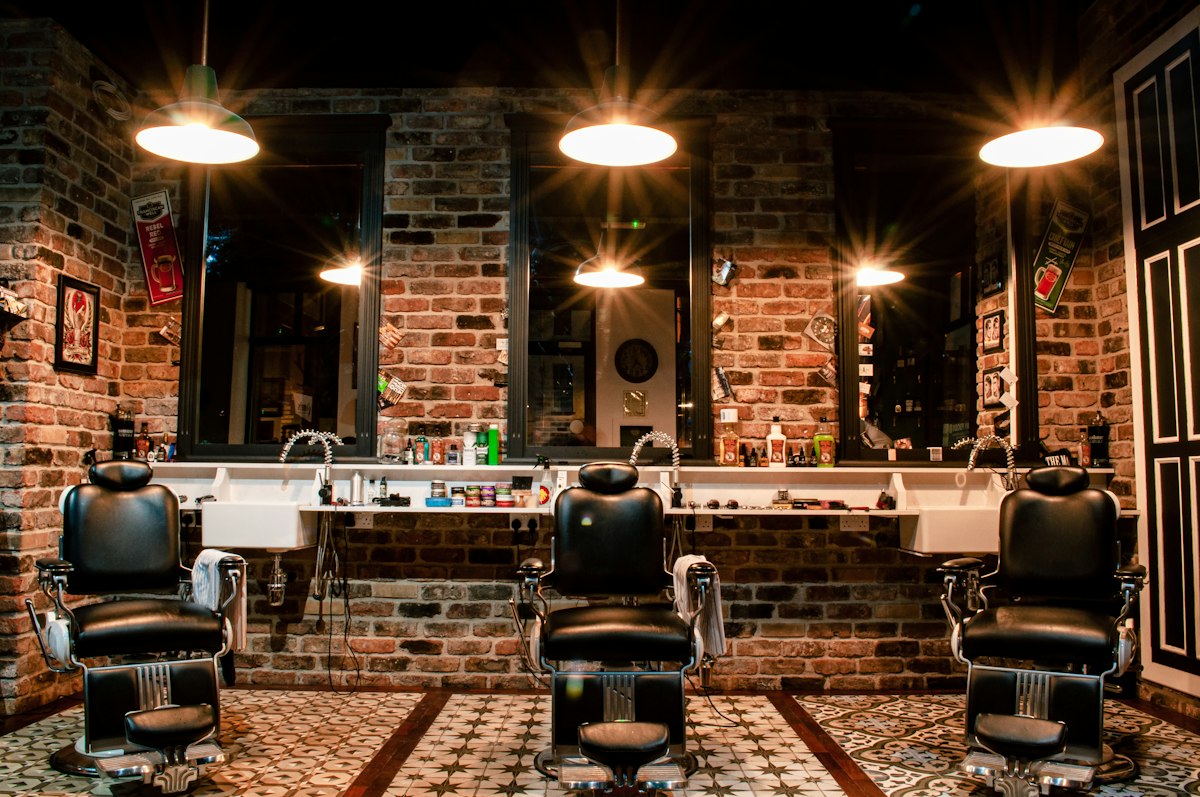
Barbershops traditionally offer an environment that many men find comfortable. The chairs are usually occupied by other men. Conversations are casual. There is often no appointment required. The wait is built into the experience.
Salons operate on tighter appointment schedules and have a broader client base. The environment varies widely depending on the salon's positioning.
Neither environment is objectively better. It depends on what you are looking for beyond the haircut itself.
How to Decide Which One to Go To
The decision should follow from what you are trying to accomplish.
If you want a fade, edge-up, or beard shaping, go to a barbershop. Specifically, go to a barber who does those cuts frequently. Look at their work on social media or ask to see previous cuts before committing.
If you want color, a chemical treatment, or a longer cut that requires detailed scissor work around the top, a salon with the right specialist is often the better choice.
If you have a longer hairstyle and want a fade on the sides, the best option is a barber who is specifically comfortable cutting longer lengths on top. Not all barbershops handle that combination equally well. Ask before sitting down.
The Most Common Mistake Men Make
The most common mistake is going to whoever is most convenient without verifying that they specialize in the service you need.
A general hairstylist trying to execute a skin fade for the first time will not produce the same result as a barber who does 15 fades per day. Similarly, a barber attempting a complex color service without formal color training can produce results that cost significantly more to fix than the original service would have cost at a proper salon.
Spend a few minutes looking at real work from whoever you plan to visit. It is not gatekeeping. It is basic due diligence on something that affects how you look every day.
Frequently Asked Questions
Can women go to barbershops?
Yes. Many barbershops serve all clients. The services offered are based on what the barber is trained in, not who sits in the chair. Women with short hair who want a fade or clipper cut often get better results at a barbershop than a general salon.
Is a barbershop better for Black men's hair?
For clipper-based cuts, edge-ups, and fades on textured hair, a barber who specializes in those techniques typically produces better results. The barbershop has historically been the center of that specific skill set. The key is finding a barber with specific experience in the texture you have rather than choosing a shop type blindly.
Do barbershops do color?
Some do. Barbershop color services have become more common, particularly for beard coloring and simple toning. For complex color like full highlights or bleach, verify the specific person doing the service has formal color training before agreeing to it.
Why do some salons charge more than barbershops for the same cut?
Overhead costs differ between business models. Salons often have higher rent, more product inventory, and a commission structure for stylists. Barbershops typically run a simpler model. The higher price does not automatically reflect higher skill for that specific service.
How often should men get their hair cut at a barbershop?
Every two to four weeks for faded or tapered cuts. The tighter the fade, the faster the maintenance requirement. A skin fade looks sharp for about one week and grown out by week three. A taper can look clean for three to four weeks before requiring a fresh cut.
Related Reading From CADMEN Barber Academy
- Barbershop vs Hair Salon: What Is the Difference?
- Barbershop vs. Hair Salon for Men: What the Difference Actually Is
- Barbershop vs Hair Salon: What Is the Difference and Which Should You Go To
- Barbershop vs. Hair Salon for Men: What the Difference Actually Is
- Barbershop vs Salon: What Is the Actual Difference for Men?
- Why Barbershop Prices Differ from Salon Prices
