Taper vs Fade: What the Difference Actually Is
Taper vs Fade: What the Difference Actually Is
The terms taper and fade are used interchangeably in some contexts and treated as distinct in others. The confusion leads to men asking for one and receiving something different from what they expected. Here is the actual difference.
What a Taper Is
A taper is a gradual reduction in hair length as it approaches the neckline, sideburns, and lower sides of the head. The hair is longer at the top and progressively shorter as it moves toward the hairline. Critically, a taper always retains some hair at the lowest point. The skin is never fully exposed through a standard taper. The hair graduates to very short near the neckline and sides but does not disappear.
A taper is a fundamental technique in barbering and is present in virtually every men's haircut that is not a uniform buzz. When someone refers to a "taper haircut" they usually mean a cut where the taper is the defining feature of the sides and back, with a clear graduation from the longer top to the shorter perimeter.
What a Fade Is
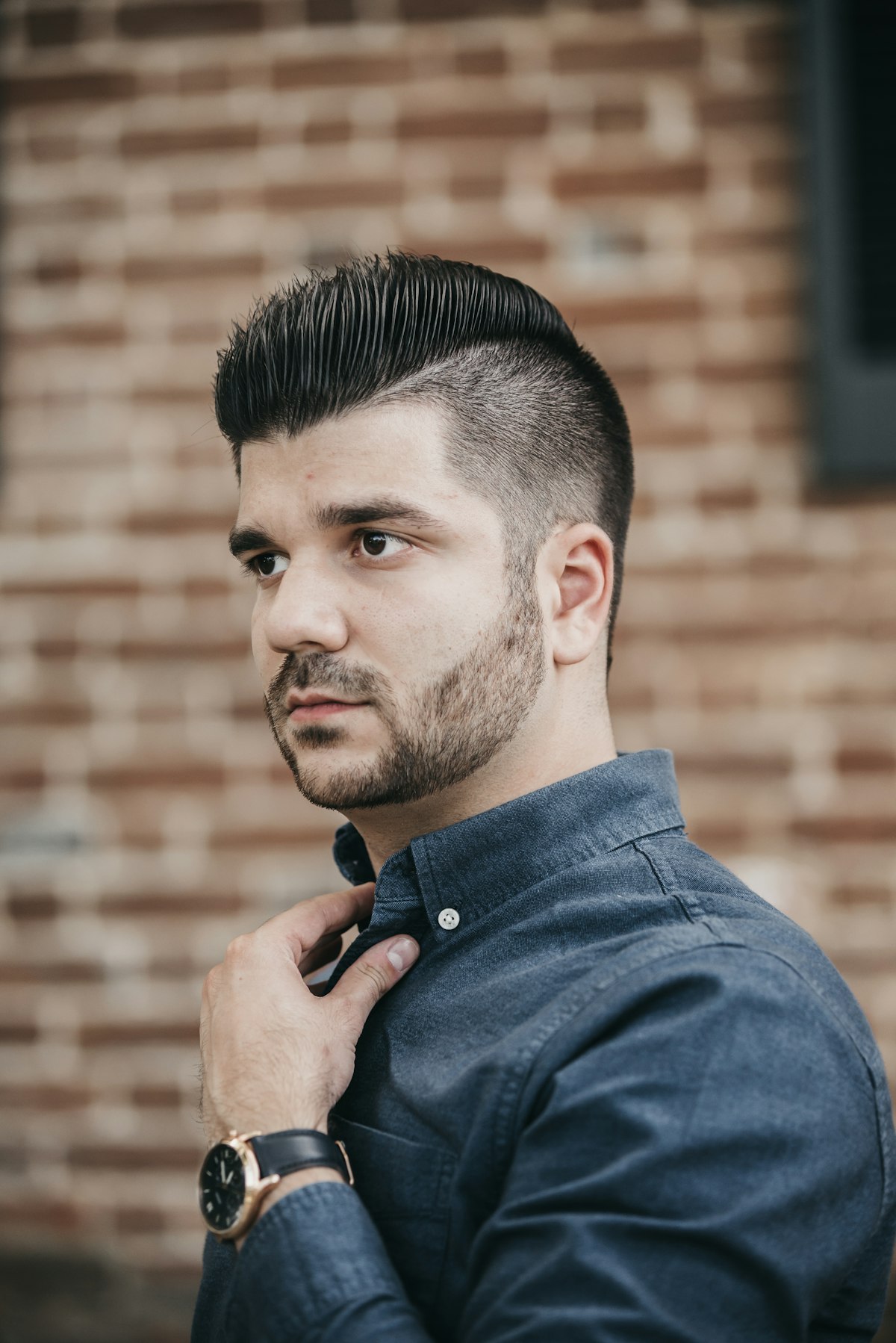
A fade goes further than a taper. It takes the length at the bottom of the graduation down to a very short level or to skin. A skin fade reaches the scalp entirely at the lowest point. Even a fade that does not reach skin typically goes shorter than a standard taper, using clipper guards in a sequence that creates a finer, more precise graduation.
The key difference: a taper ends at short hair. A fade ends at very short hair or skin.
Why the Terms Get Confused
Both techniques involve gradual length reduction from top to bottom on the sides and back. All fades use a taper technique to achieve the graduation. The taper is the mechanic; the fade is the result of a taper taken to a specific depth. A barber executing a skin fade is technically doing a very aggressive taper. This overlap in technique is why the terms blur in common usage.
Adding to the confusion, "taper fade" is a specific term used by many clients to mean a fade that is not taken to skin, but is still fairly short at the bottom. This sits between a standard taper and a full fade, and different barbers will interpret the phrase differently.
Which to Ask For
If you want skin visible at the bottom of the sides: ask for a skin fade or bald fade and specify the position (low, mid, or high).
If you want a clean gradient that does not go all the way to skin: ask for a fade with a guard length at the bottom, or ask for a taper and specify that you do not want skin showing.
If you want the most conservative reduction with hair maintained even at the perimeter: ask for a taper and specify the neckline treatment (tapered or blocked).
Frequently Asked Questions
Is one more professional looking than the other?
A taper reads as more conservative and traditional than a high skin fade. In formal professional environments, a taper is a safer choice if you are uncertain how the dress code applies to haircuts. A low fade is nearly as conservative as a taper. A high skin fade is more fashion-forward. The appropriateness depends on how formal the environment is and how bold a statement you want the cut to make.
Which lasts longer before needing a touch-up?
A taper. The taper ends at short hair rather than skin, which means regrowth is less visually dramatic. A skin fade makes the regrowth immediately visible as new hair appears over the skin. A taper blurs more gradually as the hair grows. Men who want to extend time between barbershop visits are better served by a taper than a fade for this reason.
Can you have both a taper and a fade in the same haircut?
The terms refer to the depth of the gradient rather than mutually exclusive techniques. Every fade uses a taper technique. A "taper fade" is a common request that asks for a fade that is conservative in depth, shorter than a standard taper but not taken to skin. Whether you call it a taper or a fade, the barber adjusts depth based on how short you want the bottom to go.
What is a natural taper?
A natural taper follows the natural hairline at the neckline rather than creating a geometric blocked line. The hair at the back of the neck is allowed to follow its natural growth pattern and is blended or tapered into the neck line rather than cut straight across. A blocked neckline creates a sharp, flat line at the bottom of the cut. A natural taper rounds and blends into the neck naturally. Both are valid choices and the preference is personal.
What is a mid taper?
A mid taper is a taper where the significant reduction in length begins around the mid-point of the side, similar to where a mid fade begins. It is a more noticeable taper than a standard conservative taper which mainly reduces length near the perimeter. Some people use "mid taper" and "mid fade" to describe the same cut, reinforcing the overlap between the two terms in everyday usage.
Related Reading From CADMEN Barber Academy
- Taper vs. Fade: What Is the Difference?
- Taper vs Fade: The Actual Difference and Which One to Ask For
- The Taper Fade Combination: What It Is and How to Request It
- Fade vs. Taper: What Is the Difference?
- The Skin Taper Fade: What Makes It Different and How It Is Cut
- Taper Fade vs. Drop Fade: What the Difference Actually Is
Want to learn to cut a taper or a fade yourself? CADMEN Barber Academy teaches cutting hands-on, with an educator beside you. See the barber academy in Mississauga or view in-person classes and send an enquiry.
Learn this fade step by step in our free Fade Tutorials playlist on YouTube.
