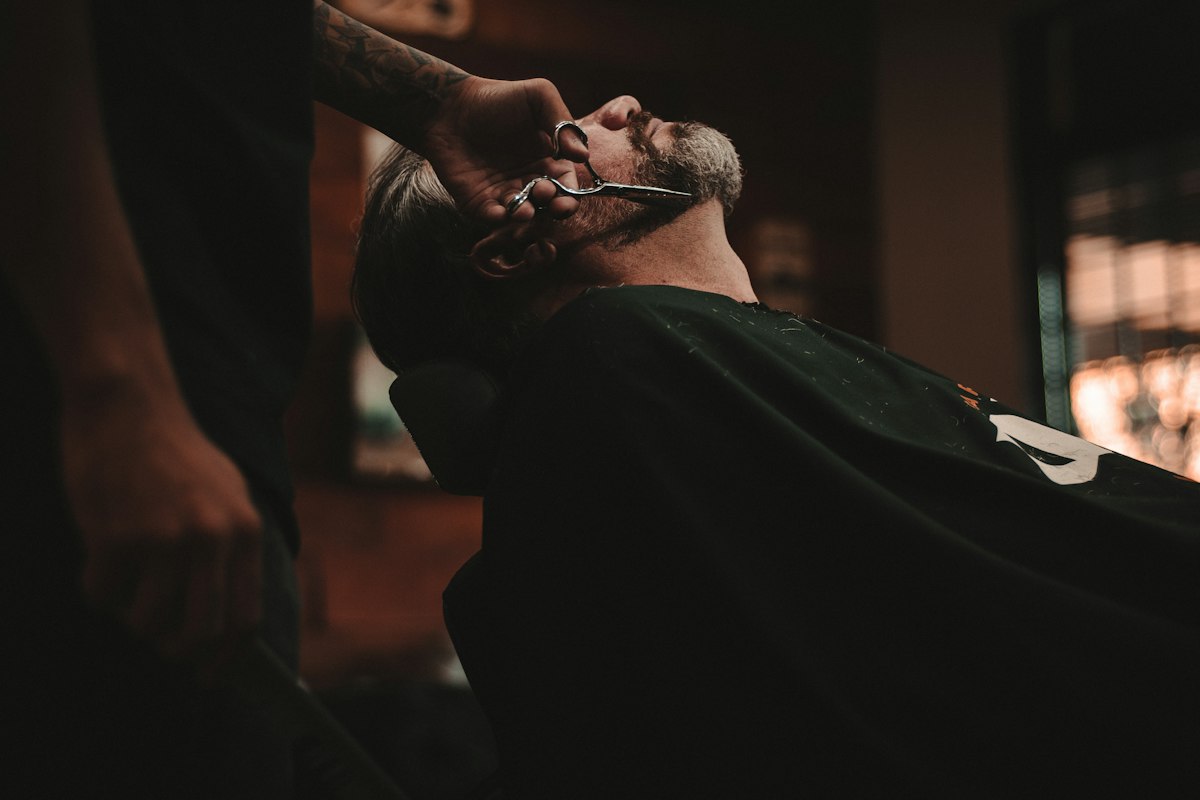
The Ivy League Haircut: Professional and Easy to Wear
The Ivy League Haircut: Professional and Easy to Wear
The Ivy League haircut has been a standard in professional settings for generations. It combines the clean structure of a crew cut with enough length on top to comb or style when needed. Here is what it involves and why it works.
What Defines the Ivy League
The Ivy League cut, also called the Princeton cut or the Harvard clip, is a short men's cut with 1 to 2 inches of length on top that is long enough to part and comb. The sides are short, usually faded or tapered. The crown and back are cut cleanly with a gradual reduction toward the sides.
The distinguishing feature from a crew cut is the top length. A crew cut keeps the top very short and uniform. An Ivy League gives the top enough length to style in a direction: side-swept, combed forward, or left loose with a light product.
Why It Works in Professional Settings
The Ivy League reads as intentional without being dramatic. It does not signal anything other than care and grooming. This makes it appropriate across industries, including conservative professional environments where more modern cuts might draw unwanted attention.
The clean sides and tapered back present well in formal settings. The styling flexibility means it can be worn precise and combed for a client meeting or loose and casual for an after-work situation with no product change required.
How It Is Cut
The top is cut to 1 to 1.5 inches, sometimes up to 2 inches for men who want more styling flexibility. The barber cuts with scissors or scissors-over-comb on the top to maintain the length while controlling the shape.
The sides are blended with a fade or taper. The Ivy League traditionally used a taper rather than a fade, which maintained the conservative, classic look of the cut. Modern versions often incorporate a low to mid fade for a cleaner appearance.
The neckline is shaped square or slightly round. A square neckline is the traditional choice for the Ivy League. It reinforces the clean, structured appearance.
Styling Options
The Ivy League can be worn with no product for a natural casual look. A light cream or paste applied and combed to the side creates a defined side-swept version. A medium-hold pomade produces a more polished, formal result.
The length is intentionally in the range where styling is optional rather than required. Men who want a cut that works with zero morning effort and still looks groomed often choose the Ivy League for this reason.
How to Ask for It
Ask for an Ivy League cut, or specify: "short on the sides with a [taper/low fade], 1.5 inches on top, long enough to side comb." Most barbers in professional settings recognize the cut immediately. Bring a reference photo if you want a specific version.
Frequently Asked Questions
What is the difference between an Ivy League and a crew cut?
Length on top. A crew cut keeps the top uniformly very short, typically under an inch. An Ivy League has 1 to 2 inches on top that can be parted and combed. The sides are similar. The extra top length is the distinguishing feature.
Can the Ivy League work with a beard?
Yes. Short to medium beards pair well with the Ivy League because both elements are clean and proportional. A long or heavy beard with an Ivy League creates an interesting contrast between the conservative cut and the fuller beard.
How often does the Ivy League need a trim?
Every 4 to 5 weeks for most men. The shorter sides with a taper hold their shape longer than a skin fade. The top length grows out without dramatically changing the look. It is one of the more low-maintenance cuts for visit frequency.
Is the Ivy League cut suitable for all ages?
Yes. It is one of the cuts that translates across decades without looking age-inappropriate. Younger men wear it as a clean, understated style. Older men wear it as a classic professional look. There is no version of the Ivy League that looks wrong for a specific age group.
Does the Ivy League work for thick or fine hair?
Both. Fine hair benefits from the short sides and moderate top that maximize the appearance of density. Thick hair sits cleanly at this length without becoming heavy. The barber may add slight texturizing through the top for very thick hair to prevent bulking.
Related Reading From CADMEN Barber Academy
- The Ivy League Haircut: What It Is and How It Differs From a Crew Cut
- The Ivy League Cut: What It Is, Who It Works For, and How to Ask for It
- Ivy League Haircut for Men: What It Is and How to Get It
- The Ivy League Haircut: What It Is and Why It Stays Relevant
- The Ivy League Haircut: Classic, Versatile, and Still Relevant
- The Ivy League Haircut: What It Is and When to Wear It
Want to learn to cut an Ivy League cut yourself? CADMEN Barber Academy teaches cutting hands-on, with an educator beside you. See the barber academy in Mississauga or view in-person classes and send an enquiry.
Watch the free Barbering for Beginners playlist on YouTube.
