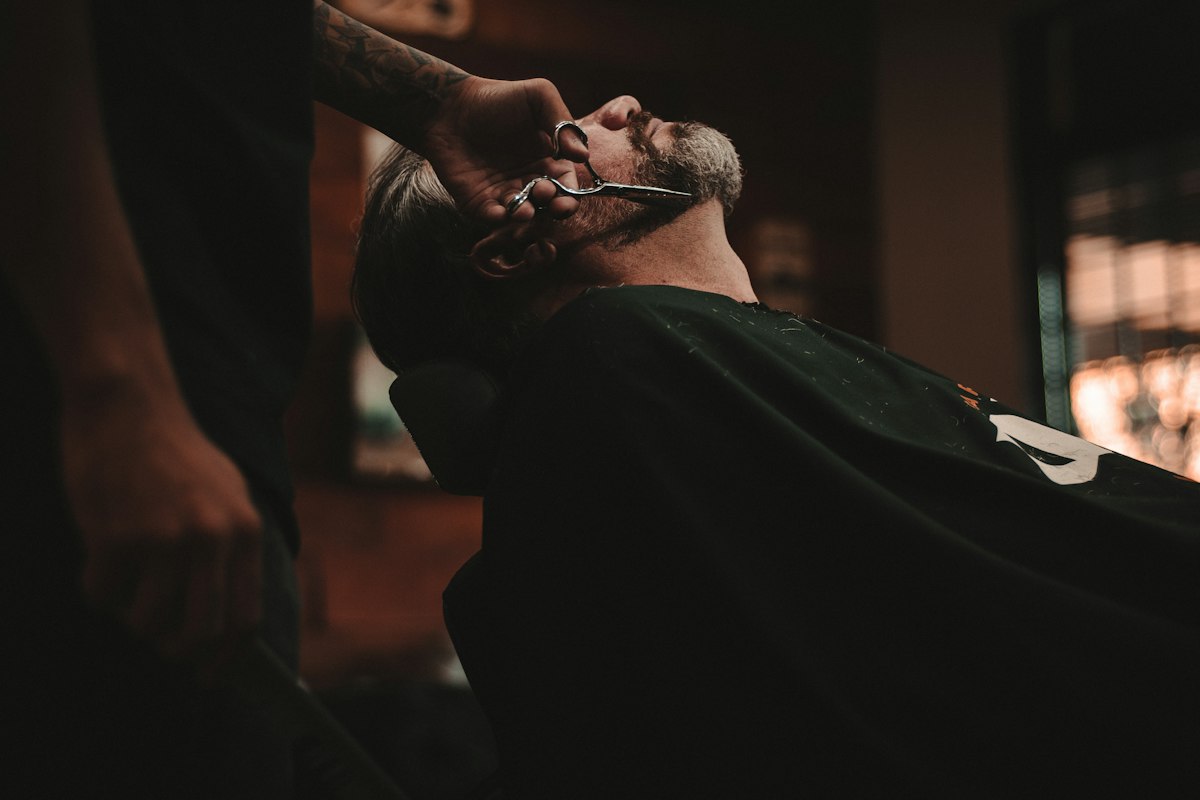
Barbershop Detailing: The Edge Work That Separates a Finished Cut From an Unfinished One
Barbershop Detailing: The Edge Work That Separates a Finished Cut From an Unfinished One
The quality of a haircut is perceived at the edges. A client looking in the mirror at the end of a service sees the hairline, the neckline, and the outline around the ears before they evaluate the length and blend in the interior of the cut. Edge work that is clean, sharp, and intentional signals craftsmanship. Edge work that is uneven, rounded, or rushed signals the opposite, regardless of how well the cut was executed above the line. Detailing is the last 5 minutes that determines how the client remembers the whole service.
The Hairline (Temple to Temple)
The front hairline is shaped or followed depending on the client's natural hairline and the style they are getting. For most styles, the natural hairline is followed and cleaned up: remove the fine baby hairs outside the natural hairline to sharpen it, but do not redesign the hairline aggressively unless the client has requested a shape-up that changes it. Adjusting a natural hairline too far down or too far back changes the client's appearance more than expected and more than they asked for.
For a shape-up or line-up, the client has requested a clean, defined line. Use the trimmer to establish the desired line shape (straight across, slightly arched, or the natural hairline, confirmed with the client) and follow it with a razor for maximum sharpness if appropriate for the client's skin type. A straight horizontal line can make a curved forehead look more angular; understand the effect before executing it.
The Neckline
Three neckline shapes: blocked (a straight horizontal line across the nape), rounded (following the natural curve of the head), and tapered (the hair graduates into the neck skin with no hard line). Blocked necklines look sharp immediately after the cut but show regrowth quickly; the client will see a hair band above the blocked line in 1 to 2 weeks. Tapered necklines grow in more naturally and look cleaner longer. Rounded is a compromise. The client may not know these options exist; offering the choice and explaining the maintenance difference produces a more satisfied client.
Around the Ears
Clean the area around and behind the ear completely. Hair that grows on the top edge of the ear, the back of the ear, and the lower area behind the ear lobe is often missed in a standard cut. A thorough detailing pass covers all of it. The outline around the front of the ear (where the sideburn meets the ear) should be crisp, with the sideburn length consistent on both sides.
Frequently Asked Questions
What is a shape-up or edge-up in a barbershop?
A shape-up or edge-up is a detailing service focused on cleaning and defining the hairline, typically the front hairline from temple to temple and sometimes the neckline. It sharpens the line where the hair meets the skin, removing the fine hairs that grow outside the defined hairline and creating a clean, geometric edge. It can be done as a standalone service or as part of a full haircut. The terms "shape-up," "edge-up," and "line-up" are used interchangeably in most Canadian barbershops.
