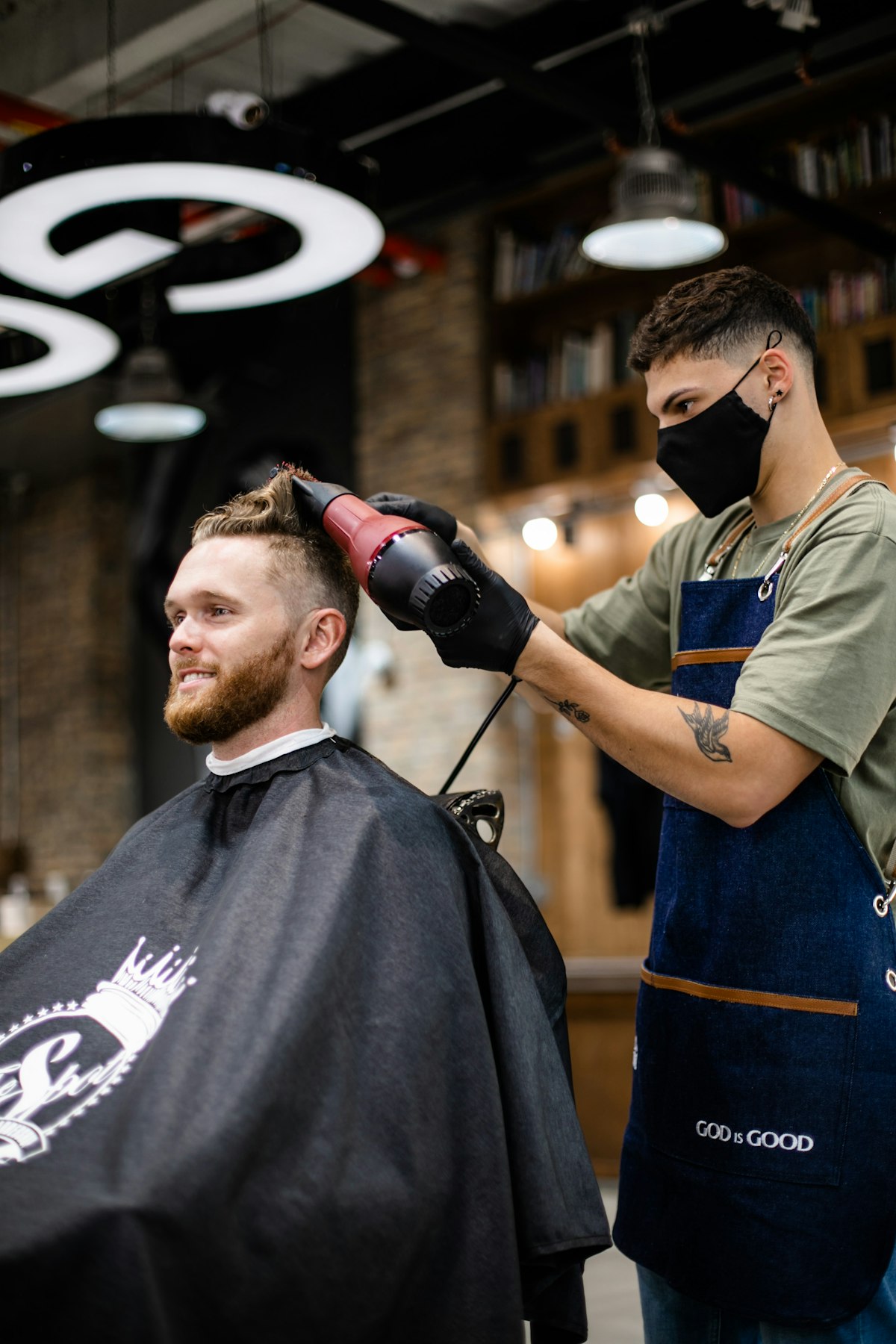
Barber Client Retention: Why Clients Leave and What Keeps Them Coming Back
Barber Client Retention: Why Clients Leave and What Keeps Them Coming Back
Client acquisition gets more attention than client retention in most barbershop marketing conversations, but retention is the higher-leverage variable in barbershop revenue growth. A barber who acquires 20 new clients per month but retains only 40% of them generates a perpetually thin book. A barber who acquires 10 new clients per month but retains 80% of them builds a compounding book that grows every month. The math strongly favors retention improvement over acquisition scaling.
Why Clients Stop Returning
Inconsistent results. The most common reason. A client who gets a great cut on visit 1 and a mediocre cut on visit 2 is now uncertain whether the quality is reliable. A third visit has elevated stakes; if it underperforms expectations again, they are done. Consistency matters more than peak performance. A barber who delivers an 8 out of 10 cut every visit retains more clients than one who delivers a 10 on some visits and a 6 on others.
The barber did not remember them. Barbershop clients want to be recognized. A barber who remembers the client's name, their usual cut, and something about their life on a return visit signals that this is a relationship, not a transaction. A client who has to re-explain their cut from scratch on every visit has no reason to prefer this barber over the one around the corner.
Wait time and booking friction. If a client cannot easily book an appointment or consistently waits longer than expected when they arrive, they will find a barber who respects their time. Booking accessibility and time management are client retention variables, not just operational conveniences.
No attempt to rebook. Most clients who intend to return do not book their next appointment before they leave the shop. Without a rebooking prompt from the barber, the next visit happens whenever the client thinks of it, which is typically later than optimal for both parties. A simple "Want to book your next cut while you're here?" retains the scheduling relationship and fills the barber's book in advance.
What Builds Retention
Consistent quality through ongoing skill development. The baseline. If the cut quality is reliable, the client has no technical reason to leave. If it is not reliable, every other retention strategy is working against the underlying problem.
Remembering clients. Use the notes field in your booking software. Before each appointment, glance at what you know about that client. After the cut, add anything notable (new job, kid's name, upcoming trip). Two minutes of review before each appointment significantly changes how the client experiences the visit.
Rebooking before they leave the chair. Ask every client to book their next appointment before they leave. For clients who do not want to commit in advance, offer to send a reminder when it is time. Both options keep the rebooking momentum rather than leaving it to chance.
Following up after a first visit. A first-time client who receives an SMS 24 hours after their cut asking how they liked it converts to a returning client at higher rates than those who receive no follow-up. The message signals that the barber cares about the result, not just the transaction. This can be automated through GHL or any professional CRM.
Frequently Asked Questions
What is a good client retention rate for a barbershop?
High-performing barbershops and individual barbers retain 70 to 85% of clients across visits 1 through 3. First-visit-to-second-visit retention is the most critical metric: clients who return for a second visit have demonstrated that the first experience cleared a threshold. Among barbers I have worked with and trained, first-visit retention below 50% almost always traces to a specific technical gap (usually fade consistency or client communication at the consultation) that is fixable with focused work. Above 70% first-visit retention, the growth levers shift from retention repair to referral activation and volume growth.
How do you get barbershop clients to come back more often?
The most direct lever: make it easy to rebook before they leave. A client who books their next appointment in the chair keeps a shorter cut cycle than one who books whenever they remember to. The second lever: remind clients when they are approaching the typical interval since their last visit. An automated SMS at 3 or 4 weeks (depending on the client's typical cycle) catches them before they have fully grown out and reminds them that booking is easy. The combination of chair-side rebooking and timed reminders shortens the average visit interval without the barber manually managing each client relationship.
